Why Your HVAC System's Size Matters More Than Its Brand
Two houses. Same square footage. Same brand of equipment. Same contractor. One performs correctly. One runs constantly and never quite hits the setpoint on a hot afternoon.


Two houses. Same square footage. Same brand of equipment. Same contractor. One performs correctly. One runs constantly and never quite hits the setpoint on a hot afternoon.

We've recommended repair when we could have sold a replacement. We've recommended replacement when repair was clearly throwing money at a system that was going to fail again. The math is the same either way — it just doesn't always come out the same answer.

The addition stays comfortable year-round now. She doesn't think about it anymore — which is the goal. She just uses the room.

The heat pump is rated to 5°F. At 22°F in WNC, it's already working much harder than that rating suggests.

She woke up in August and the sheets felt damp. Not wet — just the particular clinging texture of a house where the indoor humidity had crept up overnight while the cooling system maintained the temperature setpoint. The thermometer said 72. The air felt like 80.

He'd been told the heat pump was a good choice for Burnsville. Energy efficient, he was told. Cheaper to run than propane. The first winter he believed it. The second January, when the temperature dropped to 8 degrees and the heat pump was running continuously and the house...

She calls in September now, before the cold comes. It used to be January — a heat failure, a frantic search for someone willing to drive out to Madison County, two days of space heaters while she waited. She learned.

She moved to Waynesville from Raleigh for the mountains and the slower pace. She got both. She also got winters that were colder than she'd planned for, summers that were wetter than she expected, and a downtown apartment in an old building where the HVAC system was doing its...

She could hear the old system from the front porch. Not a rattling, not a breakdown — just the constant hum of equipment that was working too hard to accomplish too little. It had been that way since she bought the property. She'd assumed it was the character of old houses: they...

She moved to Hendersonville for the retirement she'd planned since she was forty. The mild climate. The apple orchards. The Main Street she'd visited once on a fall festival trip and decided, standing there eating a cider doughnut, was where she wanted to be.

His grandfather worked at the mill. His father worked at the mill. He didn't — he drives for a regional trucking company now — but he still lives in the house his grandfather built on a street two blocks from the river, in the same neighborhood most of the original mill workers...

When the heat went out in February, she waited two days for the company she called. They were busy, they said. She had a woodstove and she used it and she was fine, but it was two days. After we replaced the system the following summer, she asked us directly: if it quits in...

He retired from the university and stayed. Thirty-two years in that house near campus, and he wasn't going anywhere. He'd watched the HVAC systems come and go — the oil furnace, the electric furnace, the first heat pump in the late 1990s, and now the one we put in two winters...

She runs the hardware store on Main Street. It's been in the family since the 1950s. She opens at eight, closes at five, and on cold mornings she gets there early to turn on the heat so it's warm by the time customers come in. She didn't used to need to do that. The old boiler...

She moved from Asheville for the space. Five acres, a creek at the back of the property, the Mills River visible from the front porch. She grew up in an apartment and the openness of it still surprises her sometimes.

She bought the house because the schools were good and the commute to Asheville was manageable. She didn't think much about the climate. Fletcher felt moderate — not as high as the mountains to the north and east, not as low as Hendersonville. Somewhere in between.

He wakes up to a colder house than the thermostat suggests it should be. The system ran through the night. He checks it — the unit cycled properly, nothing tripped, no error codes. The house is just cold. This is Swannanoa in January: the valley held the cold all night, and no...

She opens the front door on a September morning and the air is twenty degrees cooler than it was yesterday. She stands on the porch for a moment. It smells like fall. In Black Mountain, fall comes the way a door closes — suddenly, completely.

She goes out to the barn before breakfast every morning. She's done this for thirty years. The cold in the barn is expected — it's a barn. The cold inside the house when she came back in used to be almost as bad. That was the part she didn't like.

She's lived there since her parents moved in, which means she knows every room's quirk. The east bedroom is always cooler. The library stays warm even in December, which she doesn't mind, because the library has the best chair. The front parlor — the one with the original...

She keeps the thermostat at 72. Her neighbor, three streets over on the other side of the ridge, keeps his at 68 — and he says his house still feels warm by afternoon. Same size house. Same general neighborhood. Two completely different results from their HVAC systems.

He puts another log in the woodstove before he goes to bed. Not because the heat pump has quit — it hasn't. But on a night when the wind is coming out of the northwest and the temperature is heading toward 18 degrees, he's learned not to trust it alone.

By seven in the morning she's already checked the thermostat twice. The house feels colder than the setting. Not dramatically colder — just enough to make her wonder if the system ran at all overnight. She brews her coffee and stands near the kitchen supply vent and waits.

She opens the back door and the kitchen drops four degrees. Not because something's broken. Because that's what an uninsulated 1924 door frame does in October in Asheville, when the temperature swings forty degrees between morning and afternoon and the fog sits in the French...

We'd been at his house for parts of two days. The truck was loaded. The old equipment was in the trailer. We were wrapping up the paperwork, and he asked if we had a minute. Walked us around the side of the house to where he had a half-dozen raised beds tucked into a...

That's the whole scorecard. You go home at the end of the day and you think about whether anyone's going to call tomorrow with a problem from something you touched today. If the answer is no, the day worked.

In January, that house is cold. Not broken-cold. Just cold enough to be miserable — the particular cold that comes in through old windows and settles into floors and makes you reach for another layer even when the thermostat says you shouldn't have to.

You have to walk around the unit. That's the whole diagnosis.

The hard start kit was never there. The capacitor was dead. Without those two things working together, a compressor that's perfectly healthy looks, on the surface, exactly like one that isn't.

The system ran that night. For the first time in two winters, it ran correctly.

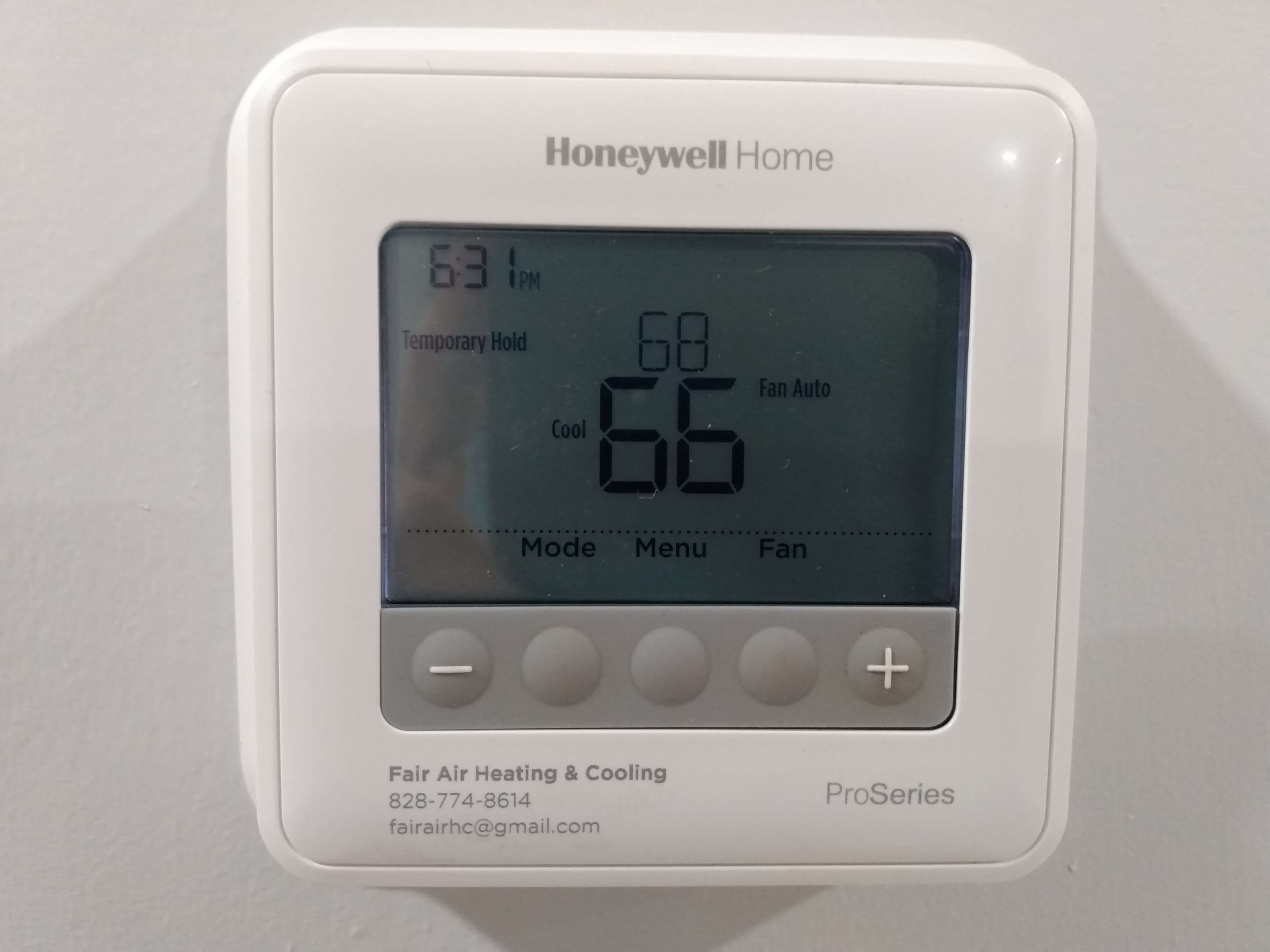
The thermostat wasn't wrong. The system was too small.

It was the particular tone of someone who's been through home improvement projects before — who's learned that mid-job discoveries always come with mid-job invoices, that the number you were given on day one is the floor, not the ceiling. He said "I'm guessing there's going to...

The contract cost $180 that year. The repair it caught cost just over $400. The alternative was a new furnace — or worse.

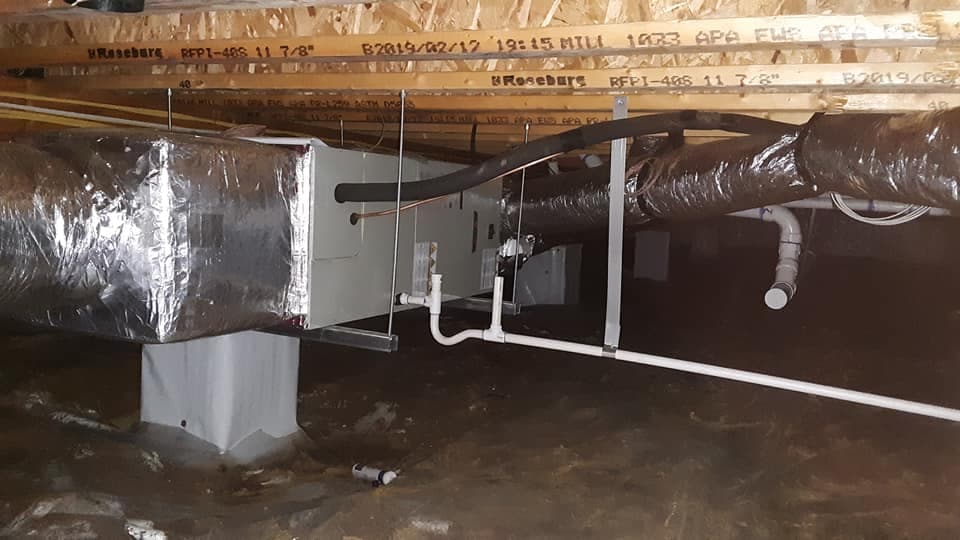
35% of the air she was paying to condition was going into the crawl.

That's the answer we gave her, which is not a sentence we give lightly. It's also not a sentence that earns us anything. She called in January, convinced her heat pump was broken, and we told her it wasn't. No service call. No invoice. Just an explanation of what she was...

She'd called the number she had — a larger regional company she'd used before, or thought she had. Wasn't sure anymore. The first call got her a callback window. The callback came and she was told someone would call to schedule. The scheduling call came and gave her a two-day...

The system we designed is the right size for that house. We know, because we calculated it.

A hole you couldn't see. In copper tubing. Smaller than a pinhead. Sitting in a coil that had been running in that house for eleven years, leaking refrigerant slowly enough that every summer the system lost a little more of its ability to cool, and nobody found it because nobody...

It was part of the story — the system was a little low, and the refrigerant charges that the previous company added did help, briefly. But a refrigerant charge is a measurement, not a diagnosis. If a system needs refrigerant every summer, it's leaking. And if it's leaking and...

She'd been layering blankets for two days. She hadn't called her son. He'd called her — a Tuesday evening check-in, noticed she sounded off, asked about the heat. She'd said it was fine. He'd asked again. She'd said she was managing.

We know because he called us in spring to schedule the maintenance check and mentioned it — mentioned that the system had run all winter without issue, which is what you notice after years of an aging unit that didn't. He wasn't effusive about it. Just mentioned it, the way you...

The kid was wrapped in a blanket on the couch watching cartoons when we arrived. The tablet was propped against a pillow, the volume low, and she didn't look up when we came in. She had a blanket pulled up to her chin and she was doing fine, the way kids do when they've adapted...

That was the answer two service calls had missed — not because they hadn't found the tripping limit switch, but because they'd stopped there. Found the component that was misbehaving, replaced it or reset it, called the job done. The limit switch tripped again within a few weeks...

The duct run ended 8 inches from the register. Just stopped. Someone had done that on purpose.

The repair held. The system made it through the summer.

He never had to call us back about that disconnect.

It's a treatment. Sometimes the right one — systems can lose a small amount of refrigerant over many years and a charge gets them back where they need to be. But refrigerant doesn't evaporate. If a system is consistently low, something is leaking. Topping it off and leaving is...

14 inches. That's the access point. That's what we had to work with.

She'd called for a maintenance visit. Not a repair. Just the annual check — the one she books every year in late spring, before the heat arrives and she needs the system to actually work.

Two zones. One house. Most people don't know this is an option.
Need HVAC help in Asheville?
We're a local team — call us for honest advice, no pressure.