

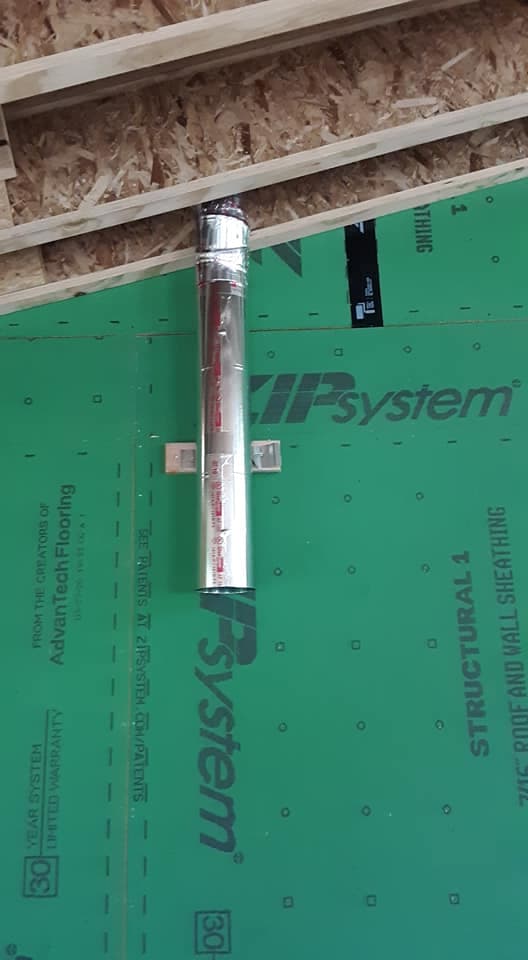
Preparing Your WNC Mountain Cabin for Winter — Before You Leave It Empty
The pipes didn't freeze. The system came back in spring exactly as it had been left. The cabin was ready for the first guests of the season in early April without an emergency call, a remediation company, or a plumber trying to explain where to find the water shutoff in a house he'd never been in before.
This is not the default outcome for WNC vacation cabins left unattended through winter. It was the result of a specific list of tasks completed in November.
The cabin is above 3,500 feet in the mountains west of Asheville — the kind of elevation where winter doesn't ask for permission. The owners live in Charlotte and use the cabin through October, close it before Thanksgiving, and open it again in March. They've owned it for eleven years. In the third year of ownership, before they'd built the winterization habit, they opened it in March to find a split supply line in the crawl space and a heat pump that had been running — or trying to run — against a filter that hadn't been changed in eight months. That repair cost more than seven years of preventive maintenance visits combined.
WNC elevation changes everything about winterization. A cabin at 2,000 feet in the Fletcher area experiences different conditions than one at 4,000 feet in the higher ranges. At elevation, temperatures can drop well below what the Asheville Weather Service reports for the broader region. A night that's 28°F in Asheville might be 12°F at the cabin. Exposed pipes in a crawl space that are fine at 28°F fail at 12°F.
The winterization list for a mountain cabin starts with the water. Set the main shutoff, drain the lines at the lowest point, and open the faucets to let air into the supply. If the cabin uses a well, know where the pressure tank and pump are and whether they're in a conditioned or unconditioned space. A pump in an unheated outbuilding at 3,500 feet is a freeze risk.
For the HVAC system: change the filter before closing the cabin, not in spring when you open it. A filter left in place all winter collects whatever is in the air — dust, mold spores, the particulates that float in closed spaces — and then that packed filter is the first thing the system pulls air through when it starts in March. Start with a clean filter going in, change it again when you open.
Set the thermostat to a minimum hold temperature — 50°F is the standard for pipe protection, though 55°F gives more margin in high-elevation cabins where the thermal envelope may not be as tight. The heat will run occasionally all winter. This costs money. It costs less than a remediation and plumbing repair.
Drain or treat the condensate line before closing. In an unoccupied cabin, standing water in the condensate drain will grow what it grows over several months. Flush it with a dilute bleach solution in November and leave it clear.
Cover the outdoor unit. There is debate in the HVAC world about covering outdoor heat pump units — in an occupied home, covering is usually unnecessary and can cause problems if the system runs while covered. In a cabin that will truly sit unused for four months, a breathable cover over the top of the unit — not wrapped airtight around the sides — keeps debris and ice accumulation from the top of the coil and the electrical components.
The call in March, when the cabin opens and everything works, is a very short call. Worth the November afternoon.

About the Author
Vadim Melnic
Owner & Lead Technician, Fair Air Heating & Cooling·
EPA Section 608 Certified
Vadim has been serving the Asheville area since 2018, specializing in residential HVAC installation, service, and indoor air quality solutions. He founded Fair Air with a simple commitment: honest pricing, quality workmanship, and treating every home like his own.
Keep Reading
Related Articles
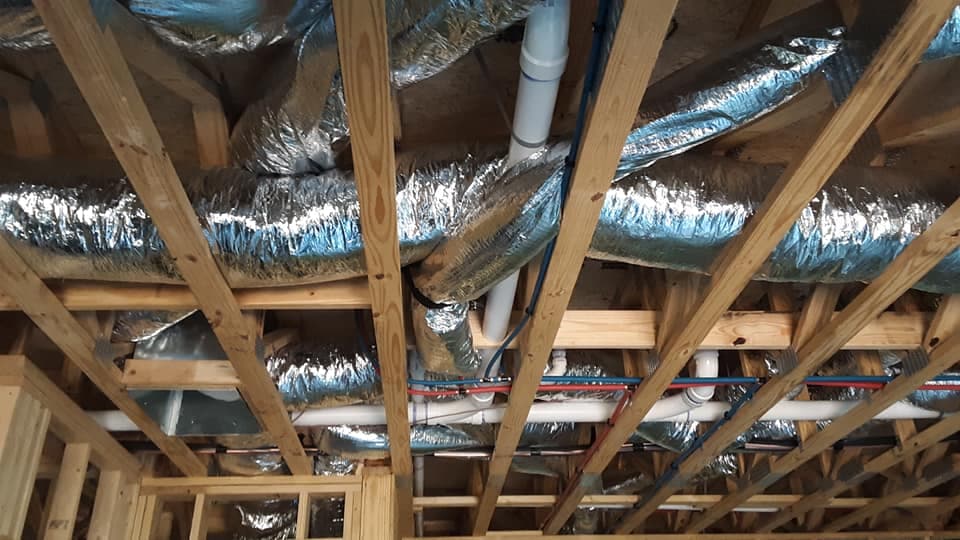
End-of-Season HVAC Shutdown — The Step Most People Skip
She turned the thermostat from cool to heat in October. That was the shutdown. The system ran all the following summer and never got a second look between the last cool day of October and the first maintenance call the following spring.
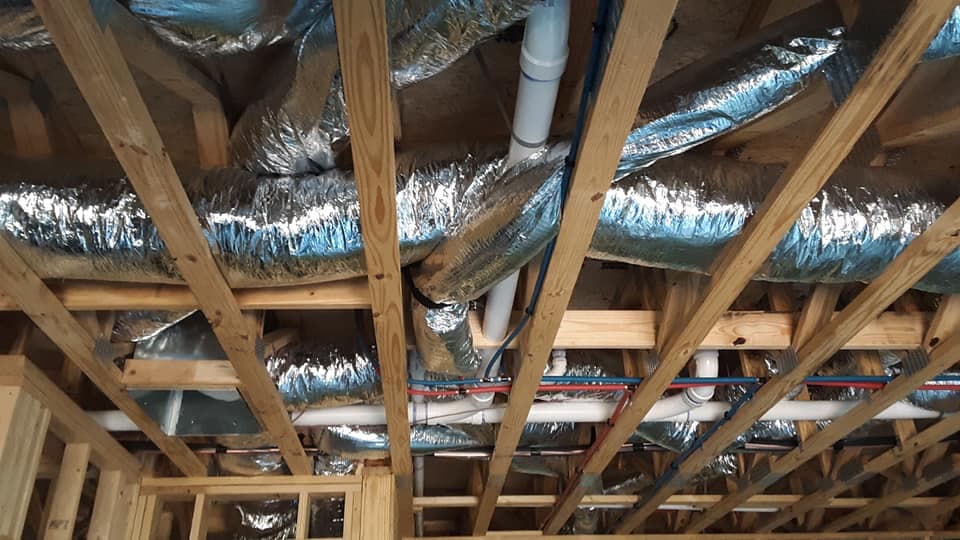
Your Heat Just Went Out on a WNC Winter Night — Here's What to Do
He fixed it himself. It was 10:30 PM, 17°F outside, and his heat had stopped. He fixed it in four minutes and didn't call anyone.
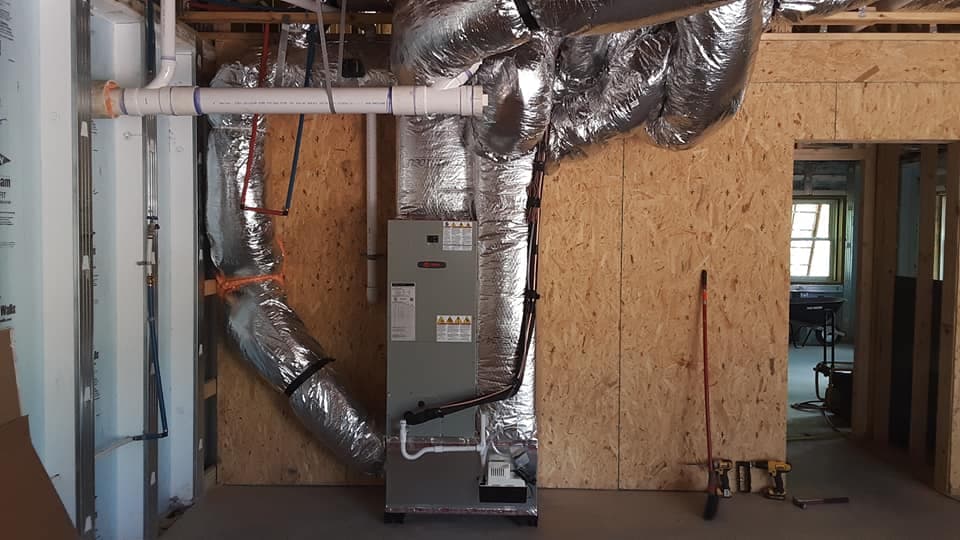
The Shoulder Season Problem — When WNC Can't Decide What Month It Is
They don't argue about the thermostat in July. In July the answer is obvious. They argue about it in October, when it's 68° by noon and 41° by midnight and whatever they set at 7 AM is wrong by 4 PM.