

The Shoulder Season Problem — When WNC Can't Decide What Month It Is
They don't argue about the thermostat in July. In July the answer is obvious. They argue about it in October, when it's 68° by noon and 41° by midnight and whatever they set at 7 AM is wrong by 4 PM.
They'd lived in that house in Weaverville for six years and had never found a setting that satisfied both of them for more than a few hours at a stretch during shoulder season. He wanted the heat on at night; she wanted the windows open in the afternoon. The system ran in heat mode in the morning and sat unused through the warm part of the day and then ran in heat mode again at night. Some days in April it ran in cooling mode for two hours in the afternoon. By the end of October they'd used the heat, the AC, and the ceiling fans in the same week.
This is not a malfunction. This is WNC in October, and again in April, which are functionally the same month from an HVAC perspective — both averaging 40°F lows and 65-70°F highs, both entirely capable of delivering a 75° afternoon and a 38° night in the same day.
The shoulder season is the stretch of calendar where the system doesn't have a steady job, and managing it well comes down to a few practical decisions.
First: let the windows do the work when the outdoor air is doing what you want. A heat pump running cooling mode to bring the house from 70° to 68° at 3 PM on an October afternoon is wasting electricity that an open window would provide for free. The system is best saved for conditions the outdoor air can't handle — the cold nights, the genuinely warm days.
Second: use the thermostat's schedule function in shoulder season, not just summer and winter. A setback to 65° at night with a recovery to 68° by 6 AM is a reasonable heat pump ask for a WNC October night. Setting it at 68° and letting it run whenever the house drifts below that line gives you worse comfort and higher bills than a programmed schedule.
Third: understand the heat pump's mode-switching behavior. Most heat pumps switch between heating and cooling based on the thermostat's mode setting, not the outdoor temperature. If the system is set to heat mode on a 72° afternoon, it will try to heat a house that doesn't need it. Putting the thermostat in auto mode — where the system decides between heating and cooling based on the setpoint and the current house temperature — works well in shoulder season as long as you have a reasonable dead band set between the heat and cool setpoints. A dead band of 3-4 degrees prevents the system from fighting itself.
And sometimes the answer is to leave the system off entirely. The 55° morning with a forecast high of 67° doesn't need HVAC involvement in either direction. Open the house when the outdoor temperature is comfortable and close it before the temperature drops in the evening. A WNC April and October are not problems to be solved — they're the best weather the mountains produce. The system will have plenty of genuine work to do in January and July.

About the Author
Vadim Melnic
Owner & Lead Technician, Fair Air Heating & Cooling·
EPA Section 608 Certified
Vadim has been serving the Asheville area since 2018, specializing in residential HVAC installation, service, and indoor air quality solutions. He founded Fair Air with a simple commitment: honest pricing, quality workmanship, and treating every home like his own.
Keep Reading
Related Articles
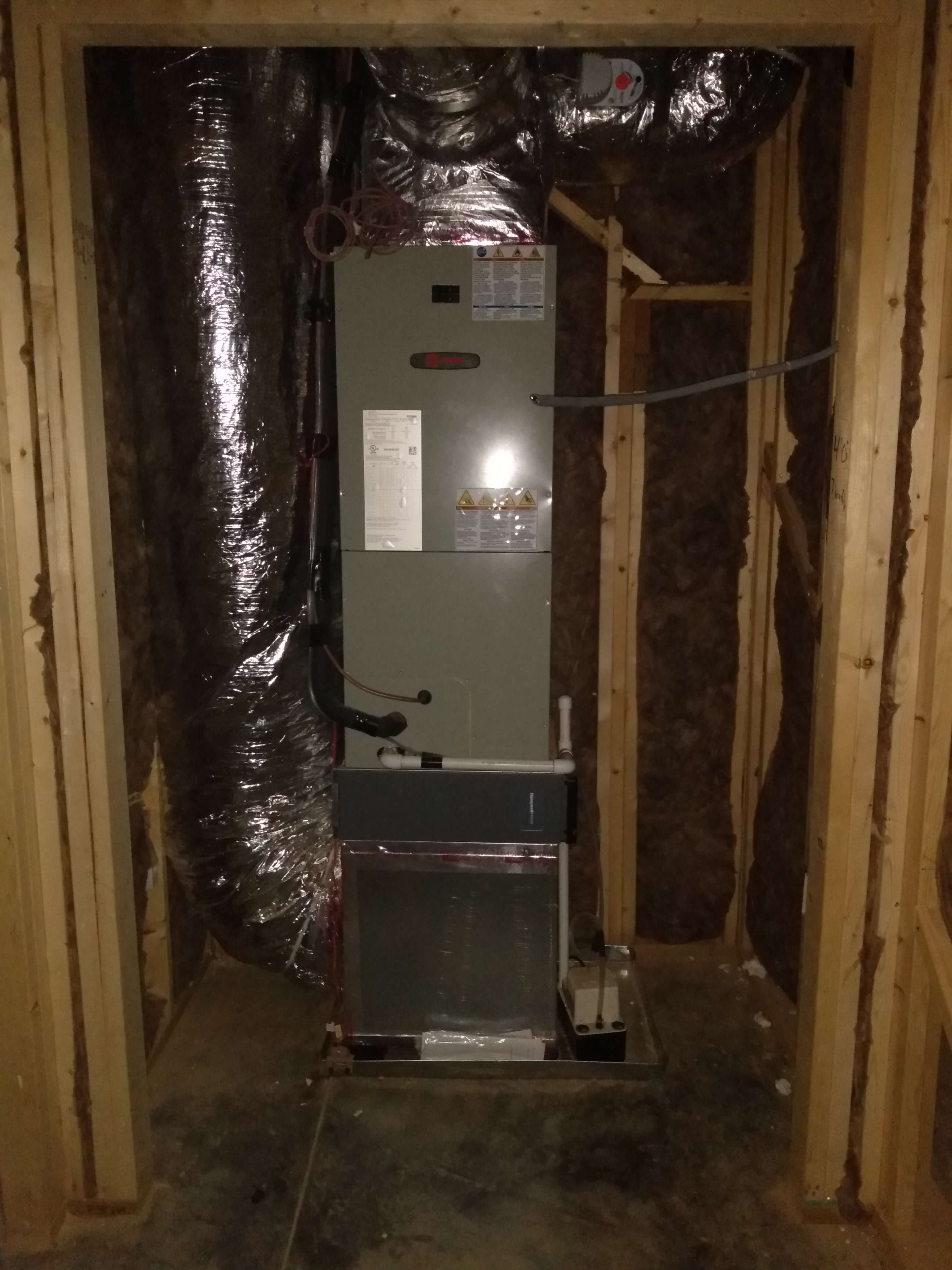
What a Proper HVAC Installation Actually Looks Like — Step by Step
Most people aren't in the room when their HVAC gets installed. They sign the contract, go to work, and come home to a system that either performs correctly or doesn't — and if it doesn't, they usually don't know what was skipped.
End-of-Season HVAC Shutdown — The Step Most People Skip
She turned the thermostat from cool to heat in October. That was the shutdown. The system ran all the following summer and never got a second look between the last cool day of October and the first maintenance call the following spring.
Your Heat Just Went Out on a WNC Winter Night — Here's What to Do
He fixed it himself. It was 10:30 PM, 17°F outside, and his heat had stopped. He fixed it in four minutes and didn't call anyone.