

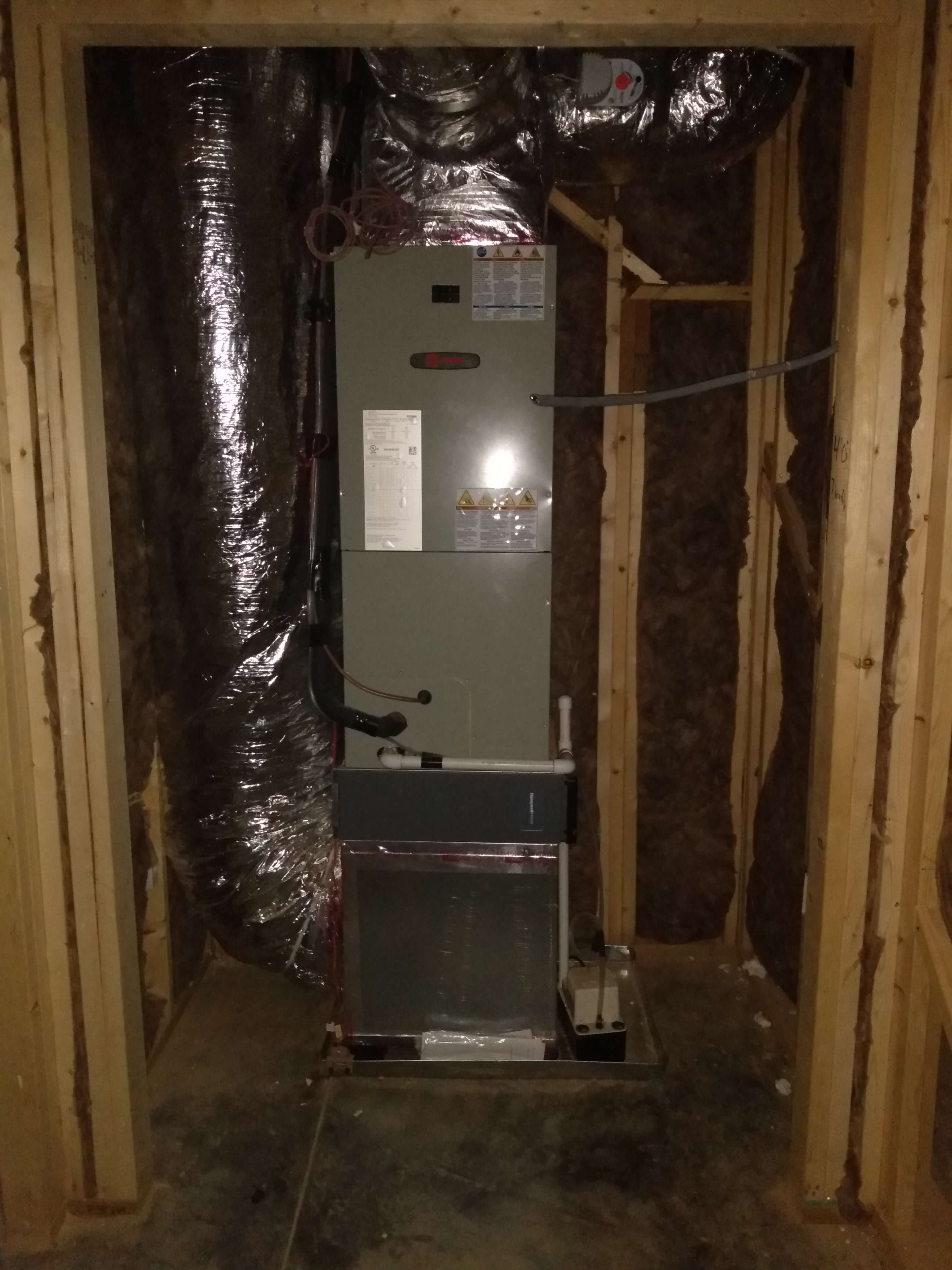
What a Proper HVAC Installation Actually Looks Like — Step by Step
Most people aren't in the room when their HVAC gets installed. They sign the contract, go to work, and come home to a system that either performs correctly or doesn't — and if it doesn't, they usually don't know what was skipped.
A properly installed system hits temperature efficiently from the first startup. It maintains refrigerant charge without topping off. It heats and cools evenly across rooms. It runs at the efficiency rating on the label. These outcomes are not automatic. They require specific steps that take specific time, and they're skipped regularly by contractors who are moving fast or pricing low.
The work starts before the equipment arrives. For a WNC home — with its elevation variation, crawl space ductwork, mountain climate, and often unusual floor plans — a Manual J load calculation is the foundation. This is a room-by-room heat gain and loss calculation that accounts for the home's insulation, window area and orientation, infiltration rate, occupancy, and the specific outdoor design temperatures for the location. A house in a valley floor has a different design temperature than a house at 3,000 feet on a ridge two miles away. The equipment selection comes from the load calculation, not from looking at what was in the house before and ordering the same size.
Equipment selection based on a real calculation determines what gets ordered. Then the installation itself.
On a heat pump installation, the refrigerant circuit gets pressure-tested before the vacuum is pulled — holding pressure for a minimum period confirms there are no leaks in the line set or at the connections. Then the vacuum. This is the step that determines long-term compressor health. A proper deep vacuum runs until the system reaches 300 microns or below, then holds there for a minimum of thirty minutes with the vacuum pump isolated. Moisture in the refrigerant circuit becomes acid under operating conditions. Acid attacks the compressor from the inside. A vacuum pulled in eight minutes to a depth that reads correctly on the wrong gauge and then immediately charged is not a vacuum. It is the appearance of one.
After the vacuum and charge, refrigerant is verified by measurement — not by "looks about right on the gauge" but by calculating the subcooling on the liquid line and the superheat at the suction line and confirming they fall within the manufacturer's specified range for the outdoor conditions. This is what tells you the system has the correct charge in the circuit.
Static pressure is measured in the duct system to confirm the duct design can support the equipment's airflow requirements. Airflow is checked at the registers — a system delivering 350 CFM to a room sized for 150 CFM and starving the bedroom down the hall isn't installed, it's connected. Airflow balance is part of the job.
At startup, the system runs through its complete operating sequence while we monitor it. Temperature differential across the coil. Electrical draw at the compressor and blower. Refrigerant pressures. Defrost board function on a heat pump. Condensate drainage.
Then the documentation — a startup checklist that the homeowner gets a copy of.
Three years later, the difference between a properly and improperly commissioned installation shows in the compressor hours, the refrigerant charge, the energy bills, and the callbacks. The systems we install with this process don't call us back for years unless it's for maintenance. The ones we're called to repair after other contractors installed them — often it's something from the installation that was skipped.
That's the job. That's what an installation is supposed to look like.

About the Author
Vadim Melnic
Owner & Lead Technician, Fair Air Heating & Cooling·
EPA Section 608 Certified
Vadim has been serving the Asheville area since 2018, specializing in residential HVAC installation, service, and indoor air quality solutions. He founded Fair Air with a simple commitment: honest pricing, quality workmanship, and treating every home like his own.
Keep Reading
Related Articles
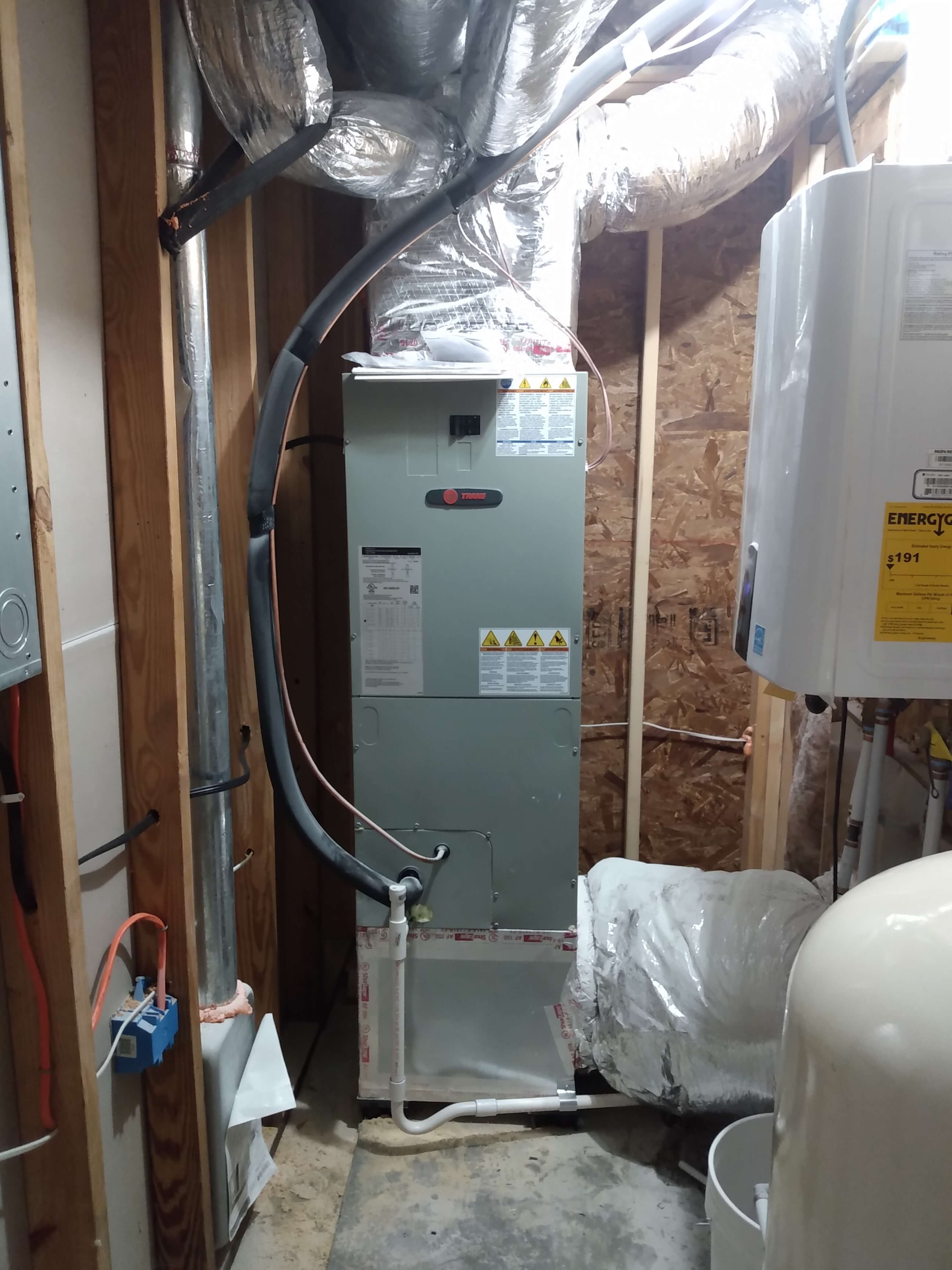
Six Years Serving WNC — What We've Learned About Mountain Homes
There's a house in Barnardsville we still think about. Old farmhouse, maybe 1940s, full of additions and compromises — a room added here, a hallway that doesn't quite make sense, ductwork from 1978 running through a crawl space that someone had regraded twice since the original...
The Trades Deserve More Credit — A Letter From a WNC HVAC Company
He walked into an attic in Asheville at 11 AM in July. A hundred and ten degrees in that attic. He was up there for forty minutes tracing a refrigerant line that had been incorrectly run during the original installation, finding the problem, and planning the fix. He came down,...
We've Turned Down Sales. More Than Once.
We told her the system had three years left. Maybe four, with proper maintenance. She didn't need a new one.