

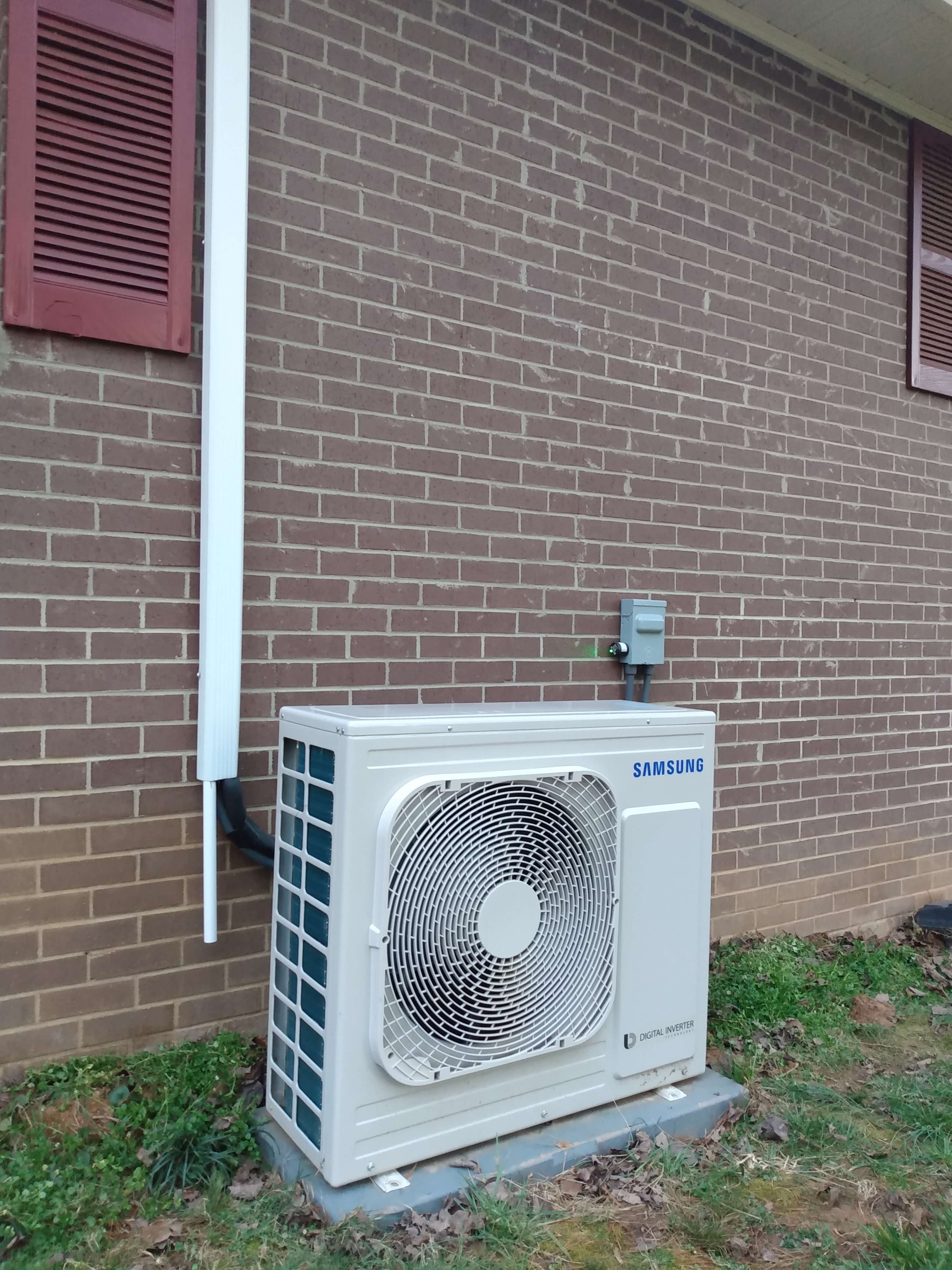
The Trades Deserve More Credit — A Letter From a WNC HVAC Company
He walked into an attic in Asheville at 11 AM in July. A hundred and ten degrees in that attic. He was up there for forty minutes tracing a refrigerant line that had been incorrectly run during the original installation, finding the problem, and planning the fix. He came down, drank two bottles of water, told the homeowner what he'd found, and went back up with the tools to correct it.
He's been doing this for twelve years. He's EPA 608 certified. He's factory-trained on three equipment lines. He knows the refrigerant cycle, the electrical diagrams for a half-dozen equipment brands, the heat transfer math behind equipment sizing, the building science of duct design, and the troubleshooting sequence for a condensate drain blockage at 10 PM in January when a customer's air handler is flooding. He learned most of it on the job, built on a foundation of trade school and apprenticeship.
The system he installed last month will run correctly for fifteen years if it's maintained. That's the duration of a mortgage cycle. The work he does today will be conditioning the air in that house after children who aren't born yet are living in it.
Western North Carolina, like most of the country, has a shortage of people who do this work well. The shortage is real and is getting worse. The generation of tradespeople who built and maintained the region's housing stock is retiring, and the pipeline behind them is thin. Part of that is economic — the trades were systematically undervalued in the career counseling of the last thirty years, steered away from as the college-track message dominated. Part of it is visibility — the work happens in attics and crawl spaces and mechanical rooms where nobody watches, and the cultural image of the trades hasn't kept pace with what the work actually requires.
What it requires: physical stamina in uncomfortable conditions, diagnostic reasoning that integrates electrical, mechanical, and thermodynamic principles simultaneously, code knowledge that updates constantly, and the communication skills to explain a technical finding to a homeowner who's worried and needs to make a decision. It's not simple work. It never was.
We invest in our technicians' training in a way that costs real money — factory certifications, continuing education, time spent reviewing equipment manuals together on slow afternoons. We do it because the quality of the work we produce is directly proportional to the competence of the people doing it, and because we want the people who work here to have a career, not just a job. A technician who's growing and learning and compensated properly stays. Turnover in HVAC is how installations get done by someone who hasn't done them enough times to know what they're skipping.
If you know a young person trying to figure out what to do with their working life, point them at the trades. The work is physically demanding, intellectually interesting, and pays well — better, at the journeyman level, than most of the four-year degree paths that get more attention. The HVAC industry in WNC needs people. The plumbers need people. The electricians need people. The carpenters who can actually read a set of plans need people.
Show up. Learn the work. Do it right. That's a career that the mountains will always need.
About the Author
Vadim Melnic
Owner & Lead Technician, Fair Air Heating & Cooling·
EPA Section 608 Certified
Vadim has been serving the Asheville area since 2018, specializing in residential HVAC installation, service, and indoor air quality solutions. He founded Fair Air with a simple commitment: honest pricing, quality workmanship, and treating every home like his own.
Keep Reading
Related Articles
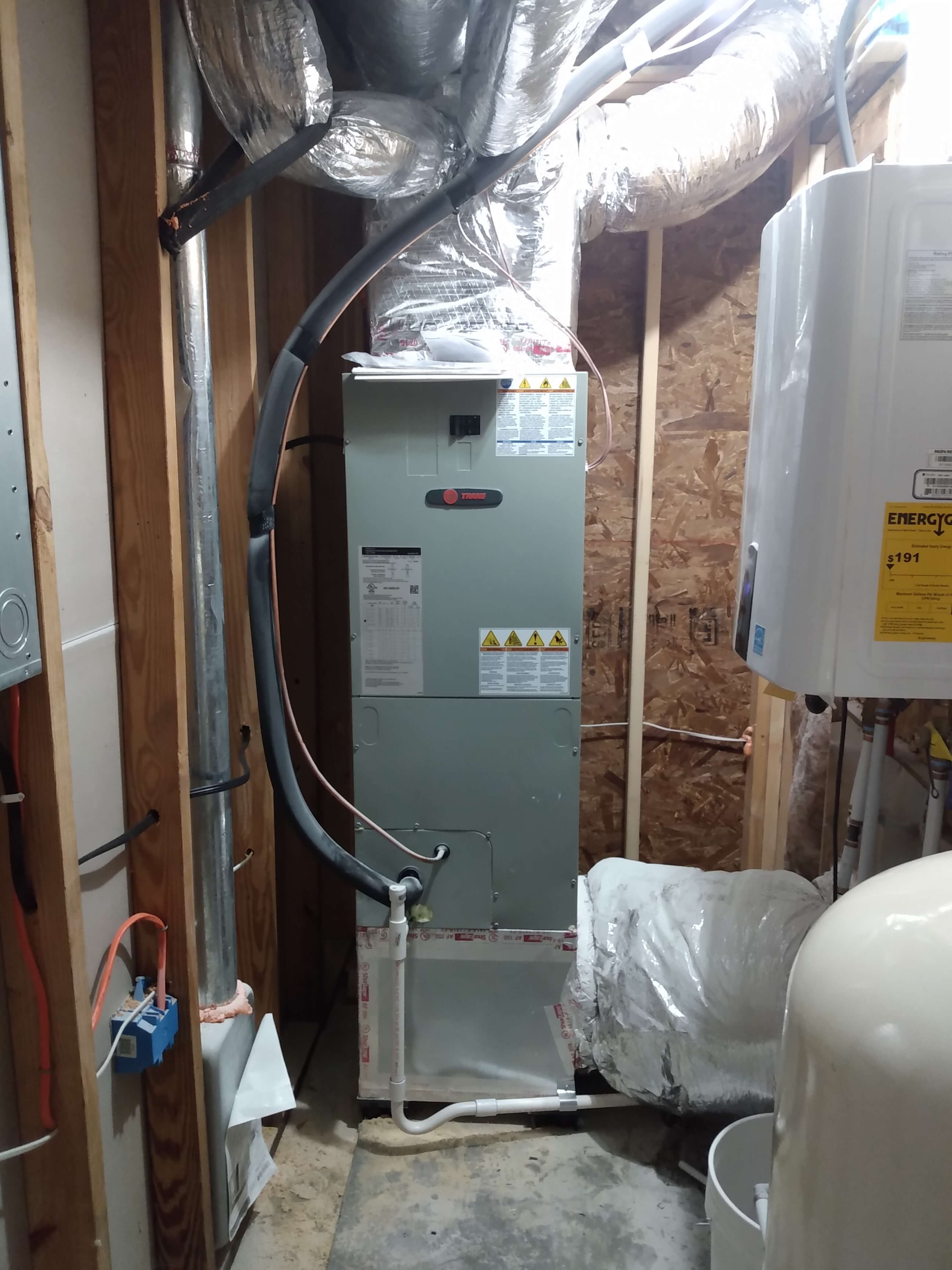
Six Years Serving WNC — What We've Learned About Mountain Homes
There's a house in Barnardsville we still think about. Old farmhouse, maybe 1940s, full of additions and compromises — a room added here, a hallway that doesn't quite make sense, ductwork from 1978 running through a crawl space that someone had regraded twice since the original...
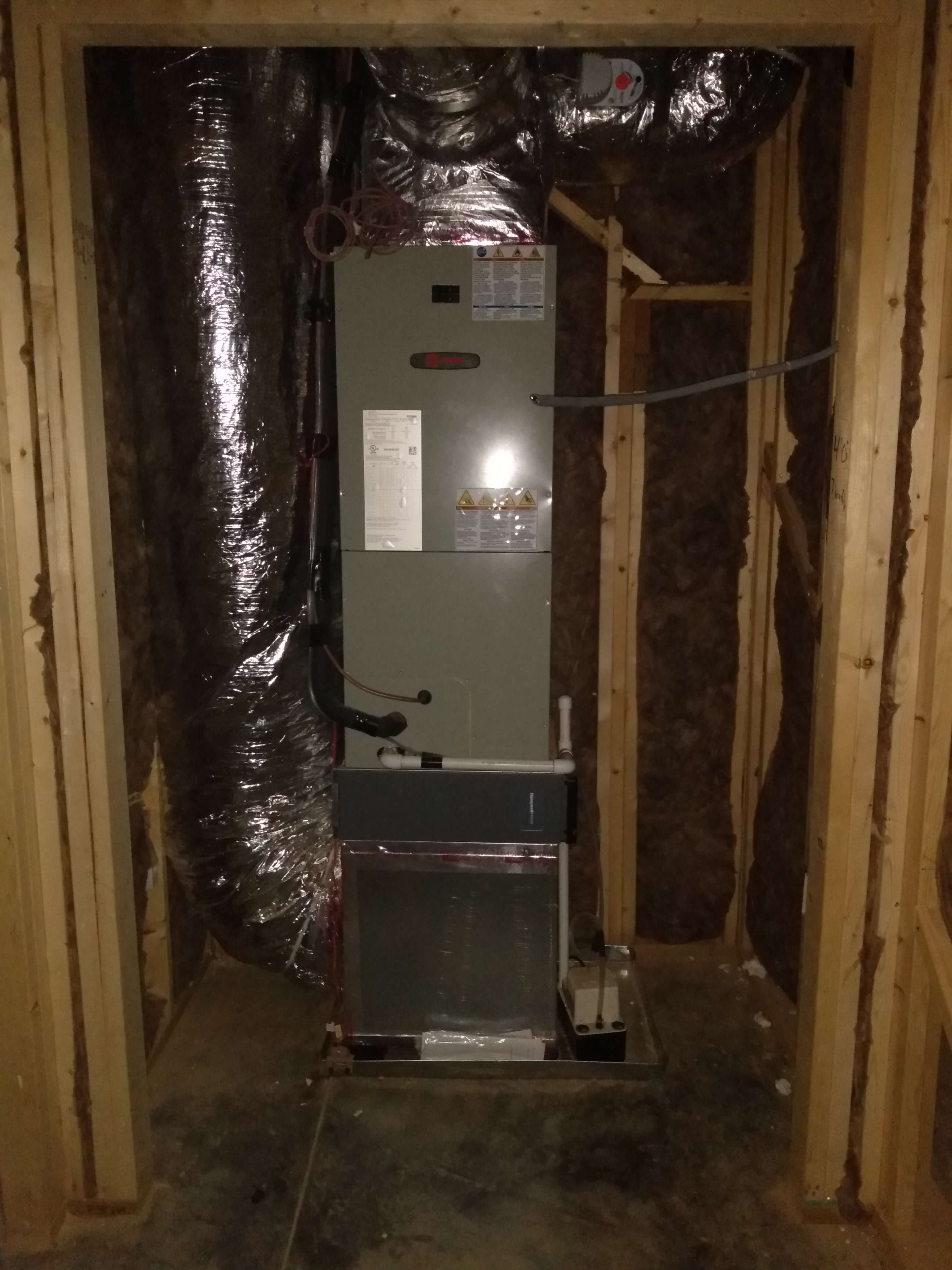
What a Proper HVAC Installation Actually Looks Like — Step by Step
Most people aren't in the room when their HVAC gets installed. They sign the contract, go to work, and come home to a system that either performs correctly or doesn't — and if it doesn't, they usually don't know what was skipped.
We've Turned Down Sales. More Than Once.
We told her the system had three years left. Maybe four, with proper maintenance. She didn't need a new one.