

Spring Startup in the Mountains — Don't Wait Until You Need the AC
She turned it on for the first time in late June. The temperature had jumped twelve degrees in two days — one of those WNC early-summer whipsaws where you go from needing a sweatshirt at night to running a fan by noon. She set the thermostat to 72°, heard the system kick on, and went about her day.
By 4 PM the house was 79°.
The service call happened in mid-July because that's when we could get there — not because we weren't trying. July in WNC is when every system that deferred its problems through spring finally meets the load it can't handle. She waited three weeks for an appointment and spent them running a window unit in the bedroom.
The cause wasn't catastrophic. The refrigerant charge was low — the system had a slow leak that had been losing ground all winter. The leak was at a flare fitting on the line set, the kind of connection that loosens gradually over years of thermal expansion and contraction. It probably would have shown itself in summer anyway. But caught in April, during a startup check with no urgency, it would have been a morning of work and a normal service call rate. In July it was an emergency appointment, a hotter-than-average month, and a bill that reflected all of it.
WNC spring is deceptive. It arrives in pieces — cold nights and warm afternoons well into May, the occasional frost through early April in the higher elevations. The system runs in heat mode through April for most households, and then there's a window of shoulder-season nothing where neither the heat nor the AC is doing much work. That window is the right time to look at the system before summer.
A spring startup check runs through the electrical components — capacitors, contactors, disconnect connections. We check the refrigerant charge while the outdoor temperature is still cool enough for accurate readings. We clean the condenser coil, which by spring has collected a winter's worth of debris and a spring's worth of WNC pollen. We verify the blower motor amp draw and check the drain pan and condensate line — a clogged condensate line discovered in April is ten minutes of work; discovered during a humid July, it's a flooded drain pan shutting the system off at the worst possible time.
We also verify that the cooling mode actually works — that the system hits temperature, that the refrigerant pressures look right under a light load, and that the reversing valve on a heat pump is switching cleanly. On older systems we check the contactor contacts for pitting that will eventually cause a failure to start.
The first genuinely hot day in WNC is not a scheduled event. It arrives when it arrives, and when it does, the technicians who cover Western North Carolina are already running hard. The window between the last cold night and the first heat wave isn't long. April is the right month. May still works. June is cutting it close.
Run the system in cooling mode for twenty minutes in April while the outdoor temperature is still in the 50s. Note whether it's making cold air, whether the outdoor unit sounds right, whether the drain line is moving water. If something seems off, call then. Don't wait until the house is 79° in June and the schedule is three weeks out.

About the Author
Vadim Melnic
Owner & Lead Technician, Fair Air Heating & Cooling·
EPA Section 608 Certified
Vadim has been serving the Asheville area since 2018, specializing in residential HVAC installation, service, and indoor air quality solutions. He founded Fair Air with a simple commitment: honest pricing, quality workmanship, and treating every home like his own.
Keep Reading
Related Articles
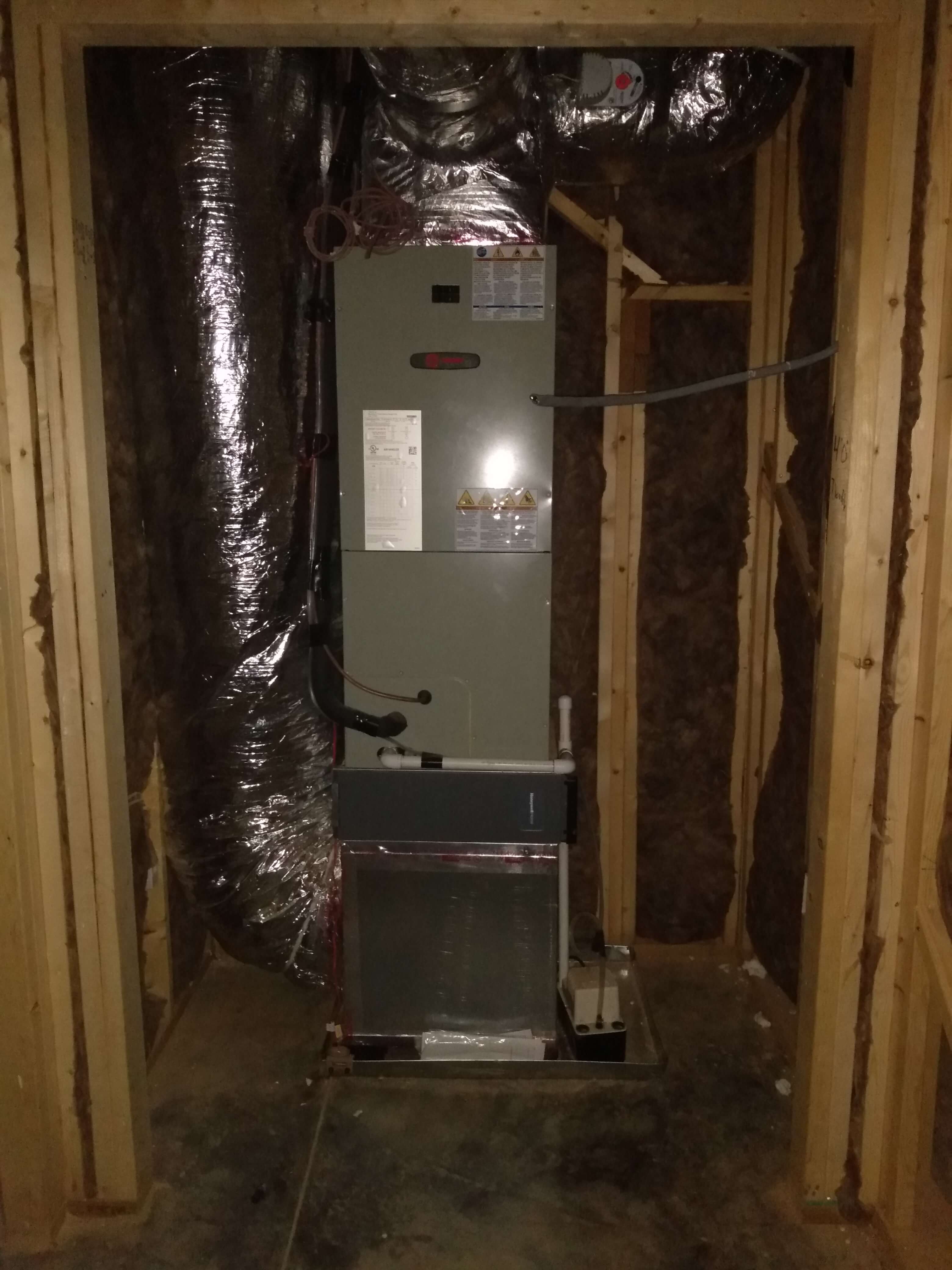
What a Proper HVAC Installation Actually Looks Like — Step by Step
Most people aren't in the room when their HVAC gets installed. They sign the contract, go to work, and come home to a system that either performs correctly or doesn't — and if it doesn't, they usually don't know what was skipped.
End-of-Season HVAC Shutdown — The Step Most People Skip
She turned the thermostat from cool to heat in October. That was the shutdown. The system ran all the following summer and never got a second look between the last cool day of October and the first maintenance call the following spring.
Your Heat Just Went Out on a WNC Winter Night — Here's What to Do
He fixed it himself. It was 10:30 PM, 17°F outside, and his heat had stopped. He fixed it in four minutes and didn't call anyone.