

Fall HVAC Prep in WNC — What to Do Before the Cold Snap Surprises You
The system ran through January without a single problem. Every room held temperature. The cold snap that sent his neighbor scrambling for emergency service in the second week of the month was, for him, just a week of higher-than-average heating bills.
He'd booked a fall maintenance visit in mid-October. He'd changed the filter at the same time. He'd cleared the leaves that had blown against the outdoor unit over the course of September. None of it was dramatic. All of it mattered.
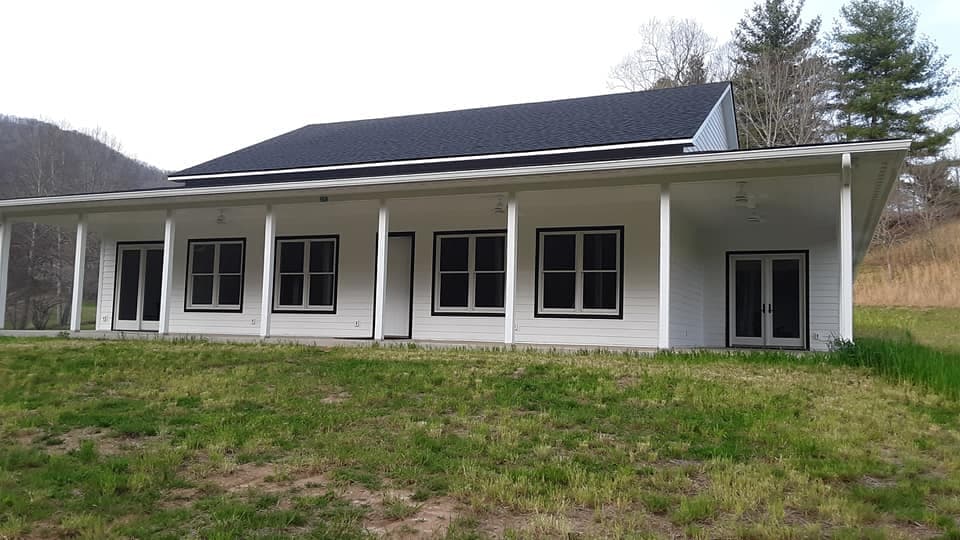
This is a house in Weaverville, unremarkable from the outside — two stories, a heat pump system, a crawl space under the back addition. The homeowner had been a customer for three years, and three years in a row he'd done the same thing: called in September or October, got on the schedule before the pre-season rush, and had the system looked at before he needed it. His neighbor had moved in two years prior with no HVAC maintenance habit at all.
January came in hard. Temperatures dropped to 7°F on a Tuesday night and held below 20°F for four days. The neighbor's heat pump had a refrigerant issue that might have been caught in October. Instead it surfaced at 11 PM on a Wednesday with a house full of people and overnight temperatures in single digits. Emergency service rates applied. There was a wait. It wasn't a comfortable two days.
What happens on a fall maintenance visit isn't mysterious. We check the refrigerant charge — low refrigerant reduces heat pump efficiency in cold weather and won't always surface as an obvious problem until the system is working hard. We inspect the electrical connections at the disconnect, the capacitor readings, the contactor contacts. We test the defrost board function. We verify the auxiliary heat strips are functional, because those strips are what keep a WNC home warm when temperatures drop below the heat pump's effective range — if they haven't fired all spring and summer, you want to know they work before you need them at 2 AM.
We clean the outdoor coil if it's accumulated a season of cottonwood, pollen, and debris — a dirty coil in heating mode is less effective at extracting heat from cold air, which is the job it's doing in winter. We check the blower in the air handler and verify airflow. We look at the heat exchanger on any gas systems. We document what we find.
None of this is performed over an hour. The visit takes what it takes. The purpose is finding the small things before they become large things under the load of a WNC winter.
A cold snap in WNC isn't a hypothetical. It's January. Sometimes it's February. Occasionally it's late March when everyone has already let their guard down. The mountain weather doesn't give much warning — a front moves through overnight and by morning you're at 12°F. The system that hasn't been looked at since spring will show its deferred problems exactly then.
Change the filter in October. Clear debris from the outdoor unit. Book the maintenance visit before the schedule fills up — our October and November slots go faster every year. The list is short. The payoff is a January where the heat works.

About the Author
Vadim Melnic
Owner & Lead Technician, Fair Air Heating & Cooling·
EPA Section 608 Certified
Vadim has been serving the Asheville area since 2018, specializing in residential HVAC installation, service, and indoor air quality solutions. He founded Fair Air with a simple commitment: honest pricing, quality workmanship, and treating every home like his own.
Keep Reading
Related Articles
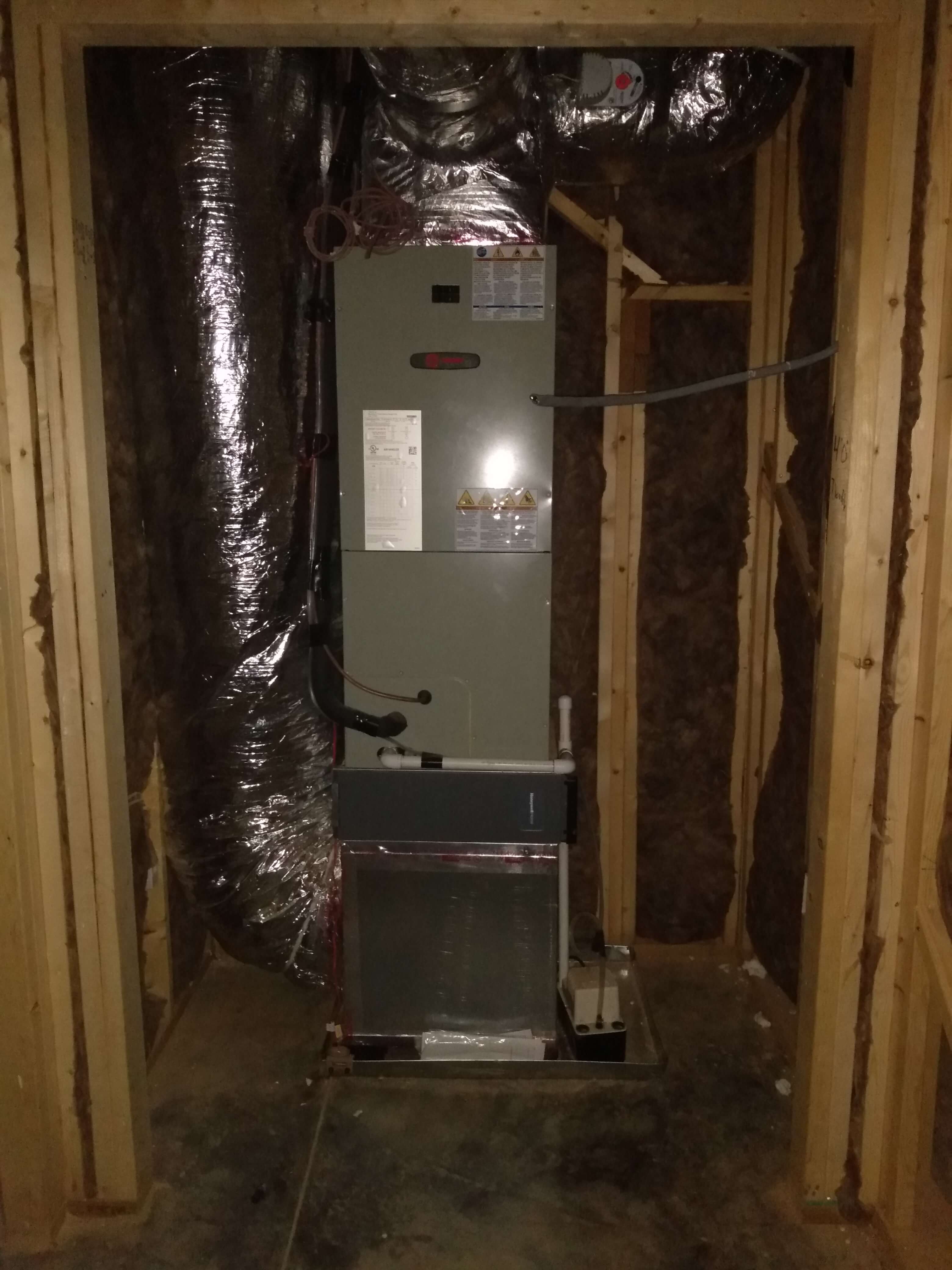
What a Proper HVAC Installation Actually Looks Like — Step by Step
Most people aren't in the room when their HVAC gets installed. They sign the contract, go to work, and come home to a system that either performs correctly or doesn't — and if it doesn't, they usually don't know what was skipped.
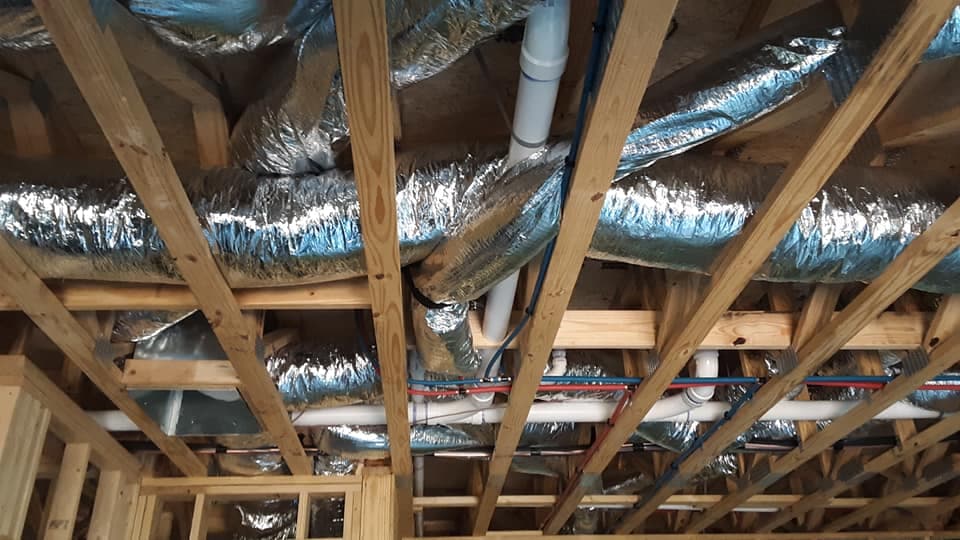
End-of-Season HVAC Shutdown — The Step Most People Skip
She turned the thermostat from cool to heat in October. That was the shutdown. The system ran all the following summer and never got a second look between the last cool day of October and the first maintenance call the following spring.
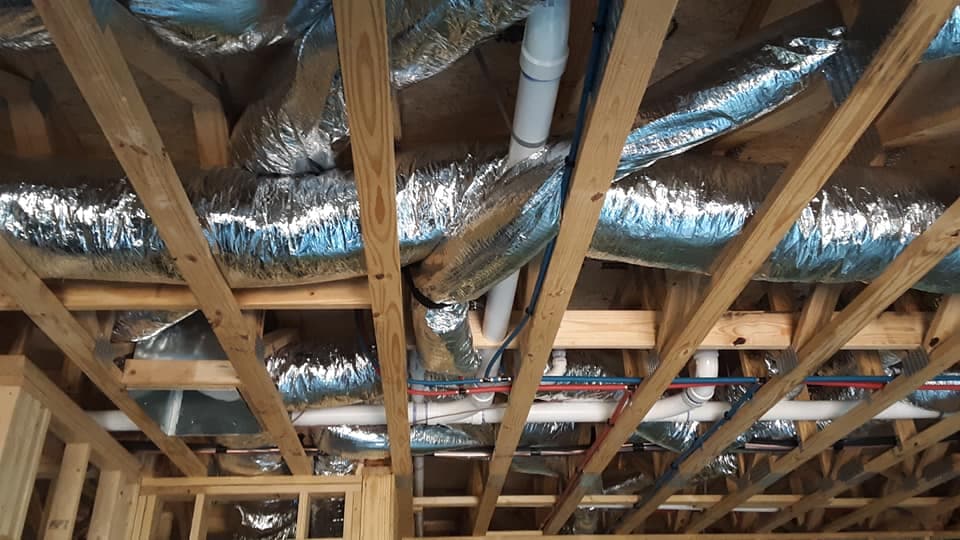
Your Heat Just Went Out on a WNC Winter Night — Here's What to Do
He fixed it himself. It was 10:30 PM, 17°F outside, and his heat had stopped. He fixed it in four minutes and didn't call anyone.