

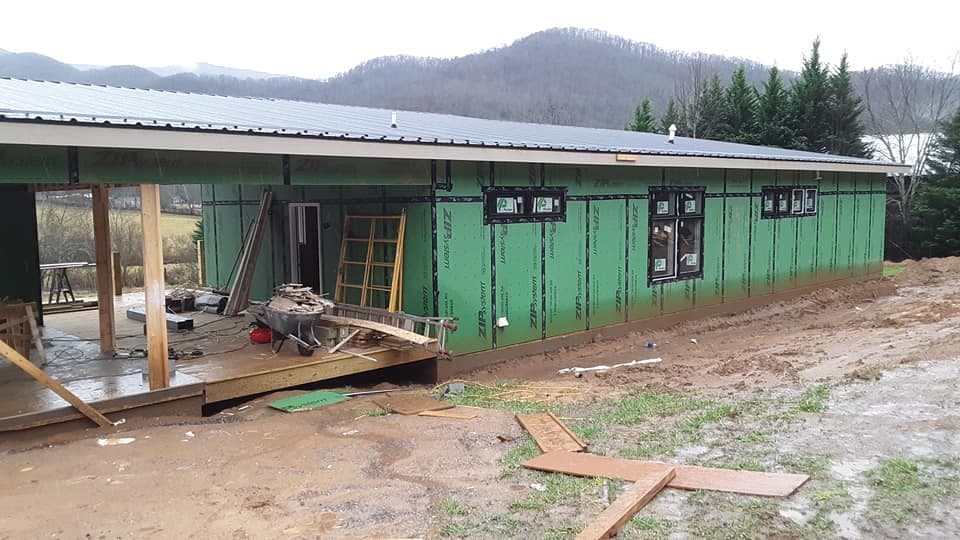
A Cracked Heat Exchanger — What It Means, What It Costs, and What Happens If You Ignore It
The CO detector didn't go off. It had a dead battery.
We found that out during the maintenance call — both problems, the battery and the cracks, on the same visit. The homeowner hadn't noticed anything unusual. The furnace was heating the house. The only reason we were there at all was the annual maintenance appointment she'd booked in October, which she'd been doing every year since she moved in.
That appointment is why we're telling this story and not a different one.
The furnace is in a home outside Asheville — a fifteen-year-old gas furnace, well-maintained by the homeowner's standards, filter changed regularly, nothing obviously wrong. Routine inspection. We removed the burner compartment panel, inspected the heat exchanger with a flashlight and a camera scope, and found two small cracks along a stress fold in the primary exchanger. Neither was large. Neither was yet leaking visible combustion gases into the air stream under normal operation. But both would be, eventually, and the exchanger had likely been developing those cracks for a year or two.
The heat exchanger is the part of a furnace that separates the combustion process from the air you breathe. Combustion happens inside the exchanger — gas burns, the metal gets hot, and circulated household air passes over the outside of that hot metal, picking up heat and carrying it into your living space. The combustion gases — carbon monoxide, carbon dioxide, nitrogen oxides — stay inside the exchanger and exhaust out the flue. That's the design. The metal wall between them is everything.
When the exchanger cracks, that wall is compromised. Combustion gases can enter the air stream. At first it's trace amounts, detectable only by instruments. As cracks expand with continued thermal cycling, it becomes more significant. CO has no odor. It accumulates. The CO detector on the wall is the last line of defense — and in this house, it was running on a dead battery.
Cracks form from thermal stress. The metal expands when hot and contracts when cold, thousands of times over the life of the furnace. A system that was poorly maintained, that ran with restricted airflow (which causes overheating), or that simply reached the end of its material life will show cracks. On a fifteen-year-old furnace, it's not unusual.
The decision tree: How old is the furnace? What's the repair cost versus replacement cost? Is the crack isolated to the primary exchanger or has it spread to the secondary? A furnace under ten years old with a single crack and a repairable exchanger — sometimes you fix it. A furnace over fifteen years old with heat exchanger compromise — the math almost always points to replacement. The exchanger repair cost on an older unit often approaches the value of the equipment, and you still own a fifteen-year-old furnace with other components approaching end of life.
For this homeowner, the furnace was fifteen years old and the exchanger repair quote was just under half the cost of a new high-efficiency unit. She replaced the furnace.
New CO detectors went in the same day — ones with sealed ten-year batteries.
A maintenance visit found it. That was the whole story.

About the Author
Vadim Melnic
Owner & Lead Technician, Fair Air Heating & Cooling·
EPA Section 608 Certified
Vadim has been serving the Asheville area since 2018, specializing in residential HVAC installation, service, and indoor air quality solutions. He founded Fair Air with a simple commitment: honest pricing, quality workmanship, and treating every home like his own.
Keep Reading
Related Articles
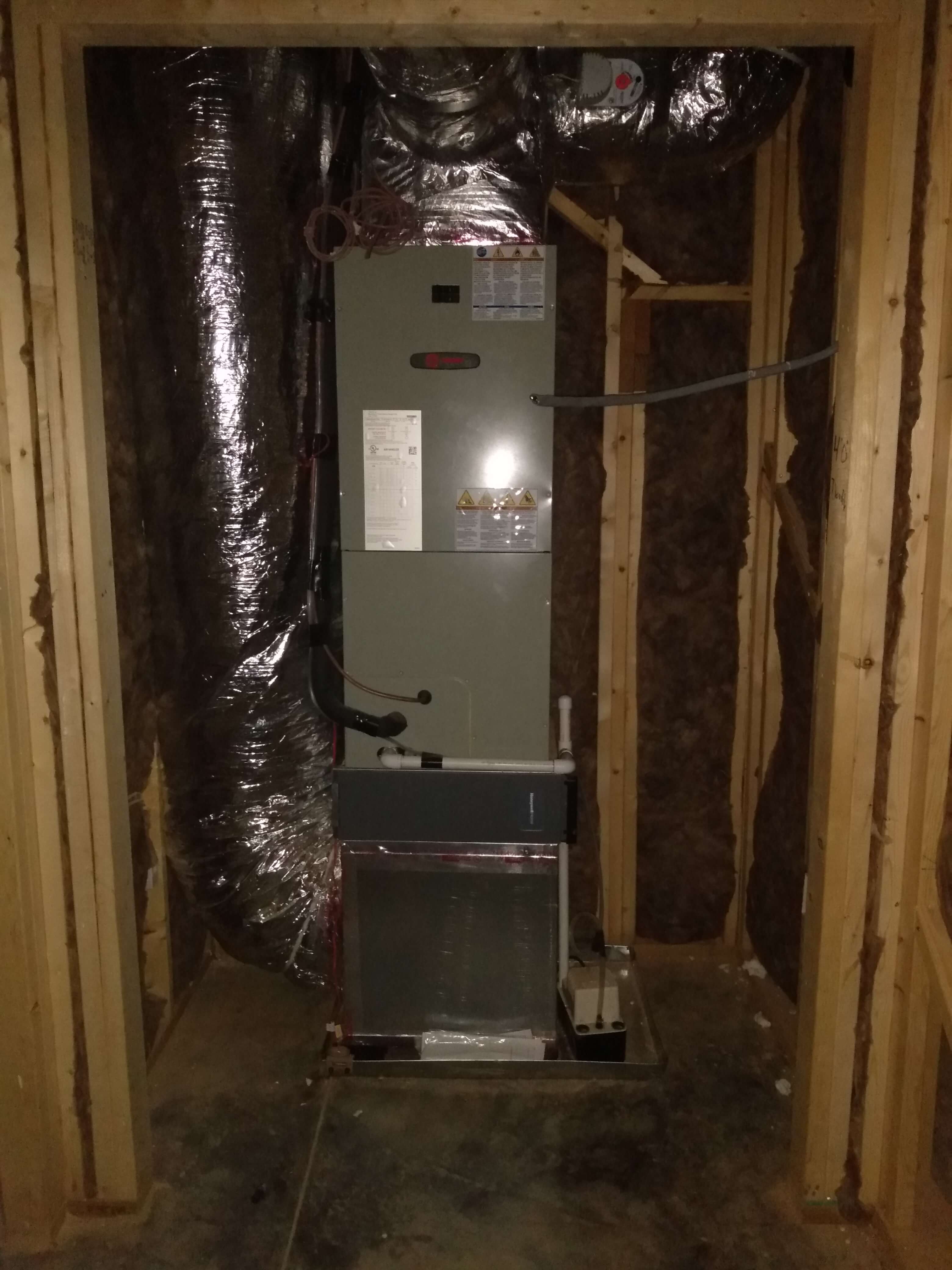
What a Proper HVAC Installation Actually Looks Like — Step by Step
Most people aren't in the room when their HVAC gets installed. They sign the contract, go to work, and come home to a system that either performs correctly or doesn't — and if it doesn't, they usually don't know what was skipped.
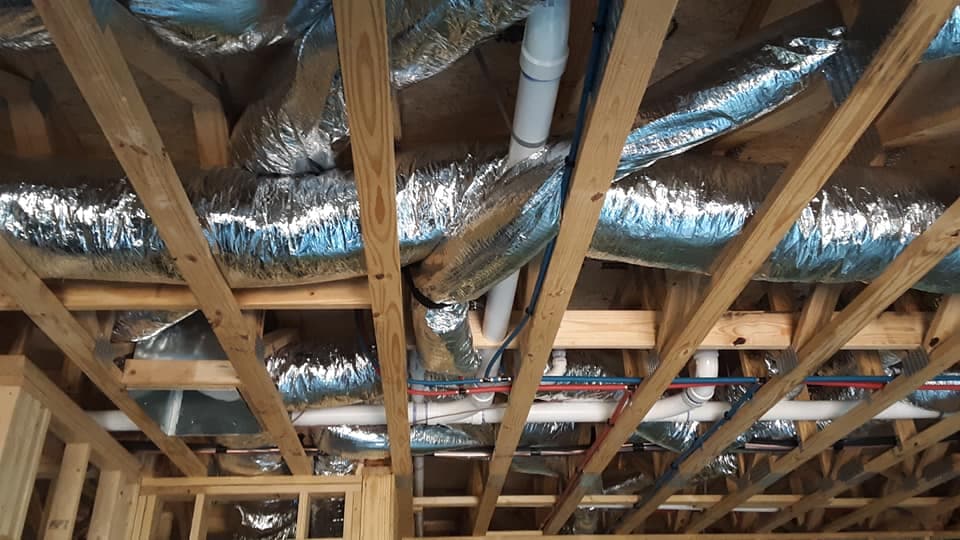
Your Heat Just Went Out on a WNC Winter Night — Here's What to Do
He fixed it himself. It was 10:30 PM, 17°F outside, and his heat had stopped. He fixed it in four minutes and didn't call anyone.
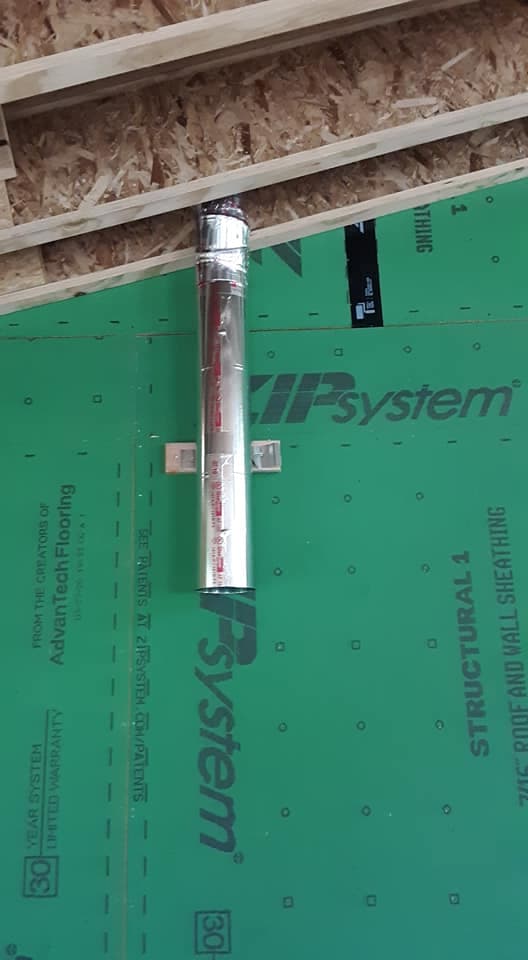
Preparing Your WNC Mountain Cabin for Winter — Before You Leave It Empty
The pipes didn't freeze. The system came back in spring exactly as it had been left. The cabin was ready for the first guests of the season in early April without an emergency call, a remediation company, or a plumber trying to explain where to find the water shutoff in a house...