

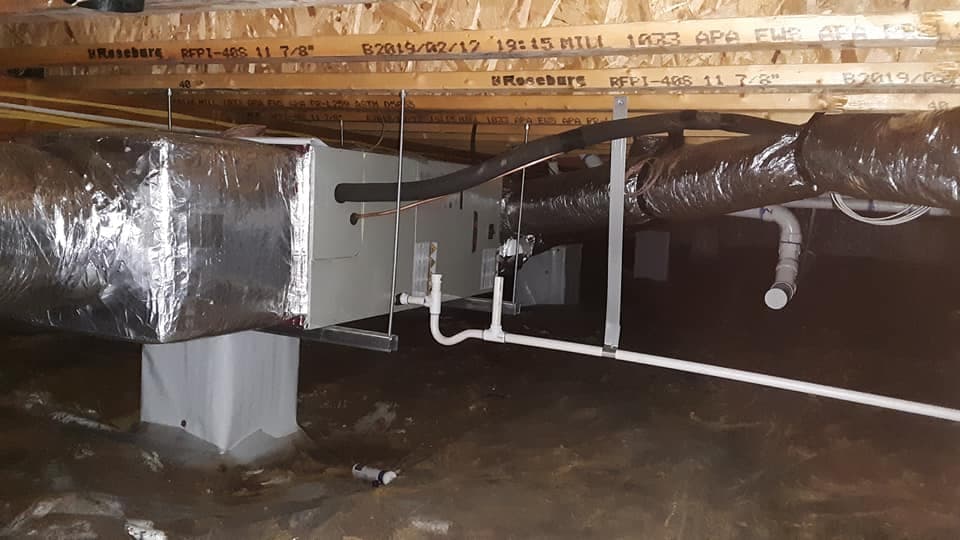
The Deep Vacuum — Why Rushed HVAC Installs Fail Early
A 3-year-old compressor showing signs of acid wear.
That's not a sentence that should exist. A compressor at three years is new, functionally speaking. Under normal circumstances it has twelve to fifteen years ahead of it. When we pulled the oil sample from this unit and sent it to the lab, the acid number came back elevated — the kind of reading you'd expect from a system that had been running for a decade with deferred maintenance, not one installed in the previous administration.
The homeowner in Hendersonville had a properly running system for about two and a half years before the problems started: capacity loss, the system laboring to reach setpoint, eventually a compressor that was working twice as hard as it should for half the output. The installation had been done by a contractor who no longer operates in the area. The paperwork was thin — a invoice, a warranty card, not much else.
We traced it back to the evacuation step. Or more precisely, the absence of a proper one.
Before refrigerant goes into a system, the refrigerant circuit — the copper lines, the coil, the compressor, all of it — has to be evacuated to a deep vacuum. Not just a rough pull to remove air. A deep vacuum: below 500 microns, held to verify the system doesn't have a leak, with adequate time to pull moisture out of the metal and out of any residual refrigerant oil in the circuit. Moisture boils at low pressure. The vacuum process removes it by lowering the pressure until the moisture vaporizes and gets pulled out by the pump.
The system this contractor installed was pulled to vacuum — there's a note in the paperwork, a single line. But based on the timestamp between "vacuum pulled" and "system charged," the evacuation lasted approximately eight minutes. A proper evacuation of a residential split system takes 30 to 45 minutes minimum, often longer for larger systems or systems where the lines are longer or the ambient temperature is cold (moisture is harder to pull at lower temperatures). Eight minutes pulls a rough vacuum and removes bulk air. It doesn't remove moisture from the system's metal surfaces and oil.
Moisture left in a refrigerant circuit reacts with the refrigerant and oil to form hydrofluoric and hydrochloric acid. Slowly. Invisibly. Over months. That acid attacks the compressor's motor windings, the valve surfaces, the bearings. It shows up years later as a compressor that should have years of life left but is already failing.
The warranty claim won't cover it. Manufacturers require documentation of proper evacuation procedure — specifically a micron gauge reading showing the system reached the target vacuum depth. Without that documentation, a failed compressor at three years is an out-of-pocket repair. The bill for this homeowner was substantial.
A micron gauge — not a compound gauge, a micron gauge that reads vacuum depth accurately — should be present at every installation and the readings documented. The system should reach below 500 microns and hold there for a minimum of 15 minutes after the pump is isolated. If the reading rises quickly after the pump is isolated, there's either a leak or there's still moisture in the system. Both require resolution before charging with refrigerant.
This isn't a shortcut anyone benefits from. A rushed vacuum saves twenty minutes on an install. The compressor failure it causes costs thousands.
30 minutes. That's what the vacuum should take. It's not optional.

About the Author
Vadim Melnic
Owner & Lead Technician, Fair Air Heating & Cooling·
EPA Section 608 Certified
Vadim has been serving the Asheville area since 2018, specializing in residential HVAC installation, service, and indoor air quality solutions. He founded Fair Air with a simple commitment: honest pricing, quality workmanship, and treating every home like his own.
Keep Reading
Related Articles
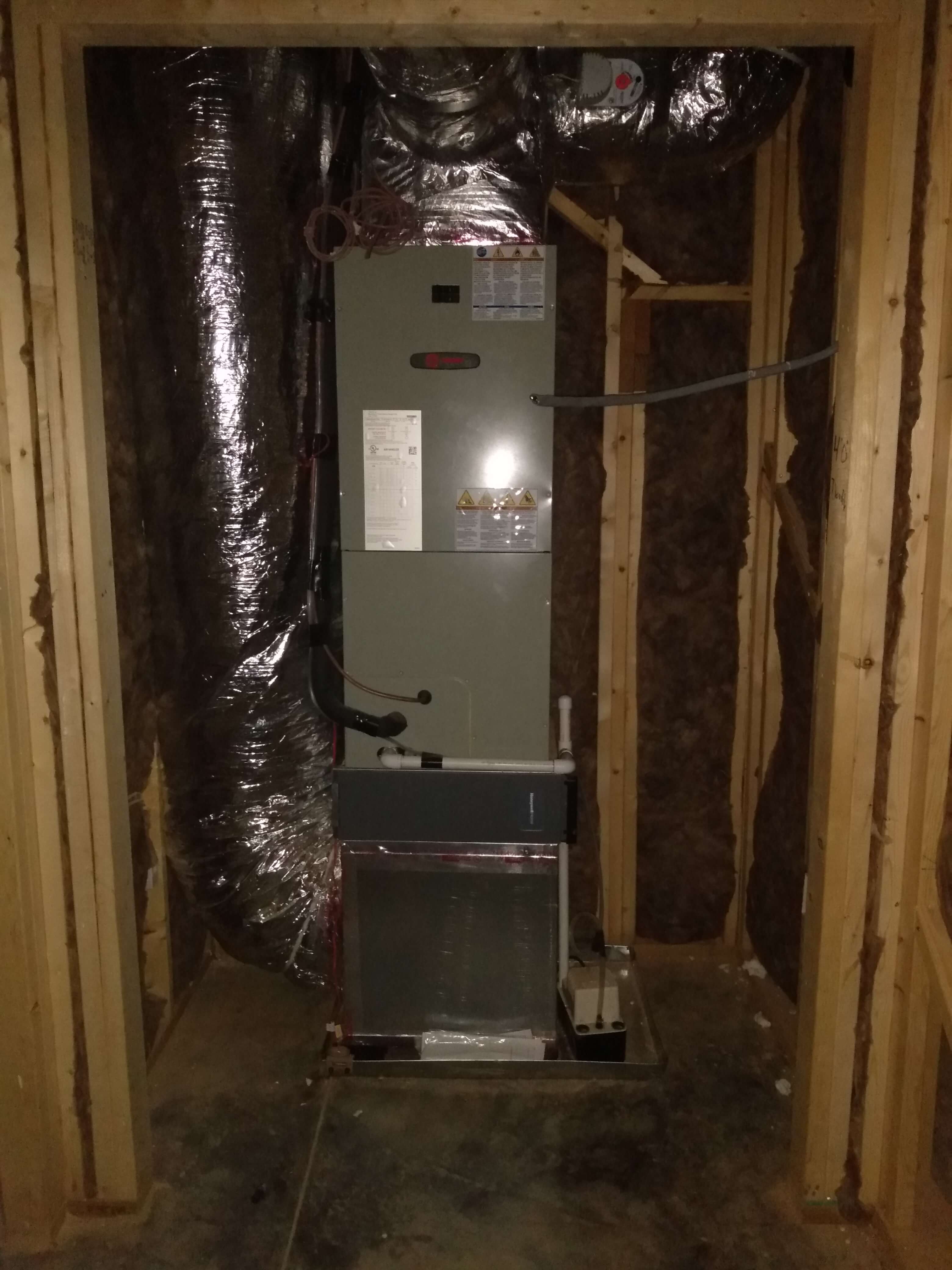
What a Proper HVAC Installation Actually Looks Like — Step by Step
Most people aren't in the room when their HVAC gets installed. They sign the contract, go to work, and come home to a system that either performs correctly or doesn't — and if it doesn't, they usually don't know what was skipped.
The Shoulder Season Problem — When WNC Can't Decide What Month It Is
They don't argue about the thermostat in July. In July the answer is obvious. They argue about it in October, when it's 68° by noon and 41° by midnight and whatever they set at 7 AM is wrong by 4 PM.
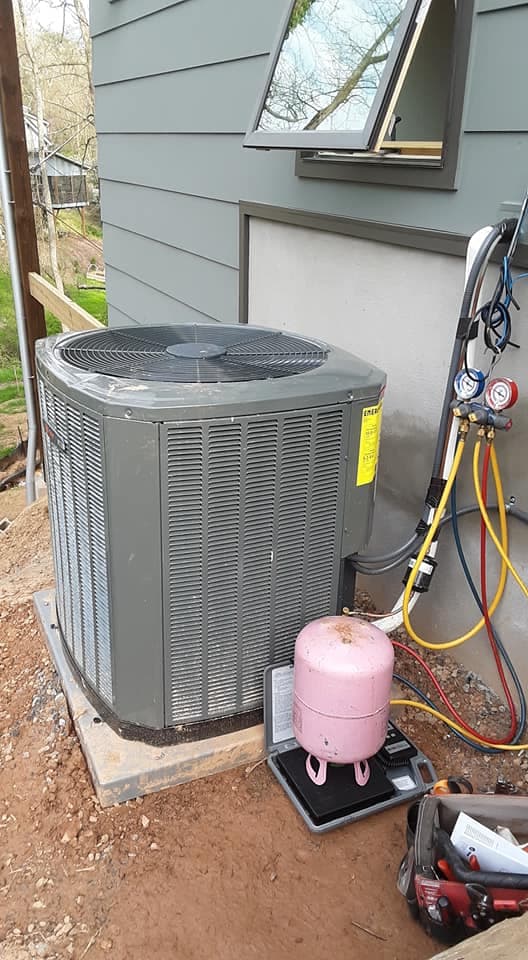
Pollen Season in WNC — What It Does to Your Filter and Your System
The filter was only six weeks old. He pulled it out and held it up to the light coming through the kitchen window. No light came through.