
Burnsville, NC HVAC — High Elevation Means Different Rules
He'd been told the heat pump was a good choice for Burnsville. Energy efficient, he was told. Cheaper to run than propane. The first winter he believed it. The second January, when the temperature dropped to 8 degrees and the heat pump was running continuously and the house still wasn't warm, he started making calls.
We gave him an honest answer. The heat pump was the right equipment. The supplemental heat stage hadn't been sized correctly for what his site actually needed. We corrected the staging. The following January, the house held temperature. He stopped calling.
Burnsville is the Yancey County seat, sitting at over 2,800 feet in elevation — among the higher county seats in Western North Carolina. Mount Mitchell, the highest peak east of the Mississippi at over 6,600 feet, is within the county's boundaries. That proximity and that elevation produce a winter climate that is categorically different from what Asheville sees, and meaningfully different from what any specification sheet written for average conditions assumes.
The rules change at elevation. Heat pumps are rated for efficiency at standard conditions. As outdoor temperatures drop, that efficiency drops with them. Below a certain temperature — the balance point — a heat pump can no longer cover the full heating load alone. Supplemental resistance heat or other backup makes up the difference. In a community where outdoor temperatures routinely drop below 15 degrees in January and February, and occasionally drop below zero, the balance point is reached frequently. How the supplemental heat is staged — how much capacity it has and when it kicks in — determines whether the house stays warm.
A system sized for Asheville's winter design temperature may reach its balance point at a temperature that Burnsville regularly exceeds. The spec sheet says one thing. The Yancey County January says another.
Burnsville has a genuine small-town character — a walkable Town Square, an arts community that has grown steadily, older residential housing that rings the commercial center. The housing stock is a mix of early- and mid-twentieth-century construction in the historic core and rural properties on the surrounding ridges that range from old farmhouses to newer custom builds. The arts community has brought some renovation and adaptive reuse of older buildings, which creates its own retrofit challenges.
Heat pump selection for Burnsville specifically benefits from looking at cold-climate rated equipment — units that maintain higher efficiency at low outdoor temperatures and are rated for continued operation in the range Burnsville actually experiences. Standard equipment works. Cold-climate rated equipment works better, and the efficiency difference is more meaningful at this elevation because the cold hours are more frequent.
Yancey County is a longer drive for us than our Buncombe home base, but we serve it and know the terrain.
We come out. We look at what's there. We tell you what it costs. No pressure.
Burnsville, NC — Climate & HVAC Data
- Elevation: 2,820 ft
- Average January low: 23°F
- Average July high: 79°F
- Heating degree days: ~4,900/year
- Cooling degree days: ~500/year
- Reference weather station: Burnsville ECONet (BURN, NC State Climate Office)
- From our shop: 34 miles / about 45 minutes via US-19E
What That Means for Your System
Burnsville is the Yancey County seat and the highest-elevation town in our service area at 2,820 ft. Located in the Cane River valley in the shadow of Mount Mitchell (6,684 ft), it's surrounded by some of the highest terrain in eastern North America. The Black Mountains to the east and the Great Craggy Mountains create a climate that's noticeably colder than most of WNC.
Burnsville has the highest heating degree days (~4,900) and lowest cooling degree days (~500) of any town we serve. This is the most heating-dominant climate in our service area — about 700 HDD more than Asheville. Cooling is almost an afterthought here compared to heating performance. Heat pump systems must be sized for sustained cold, and supplemental heat capacity is non-negotiable.
Common HVAC Issues We See Here
- Highest heating demand in our service area (~4,900 HDD) — 700 more than Asheville, 1,200 more than Hot Springs
- January lows averaging 23°F with frequent dips into teens — heat pump efficiency drops sharply; auxiliary heat essential
- Mount Mitchell cold air drainage producing extreme cold events that can overwhelm undersized systems
- Remote location makes emergency winter service calls difficult — fall maintenance is critical to avoid mid-winter failures
Service Details
- Response time: 34 miles / about 45 minutes via US-19E
- Service area coverage: All of Burnsville, Cane River valley, Pensacola, Micaville, Green Mountain
- Service type: Installation, repair, and maintenance — all makes and models
Call 828-774-8614 or book online. No pressure, no upsells — just honest answers from a local team that knows this area.

About the Author
Vadim Melnic
Owner & Lead Technician, Fair Air Heating & Cooling·
EPA Section 608 Certified
Vadim has been serving the Asheville area since 2018, specializing in residential HVAC installation, service, and indoor air quality solutions. He founded Fair Air with a simple commitment: honest pricing, quality workmanship, and treating every home like his own.
Keep Reading
Related Articles
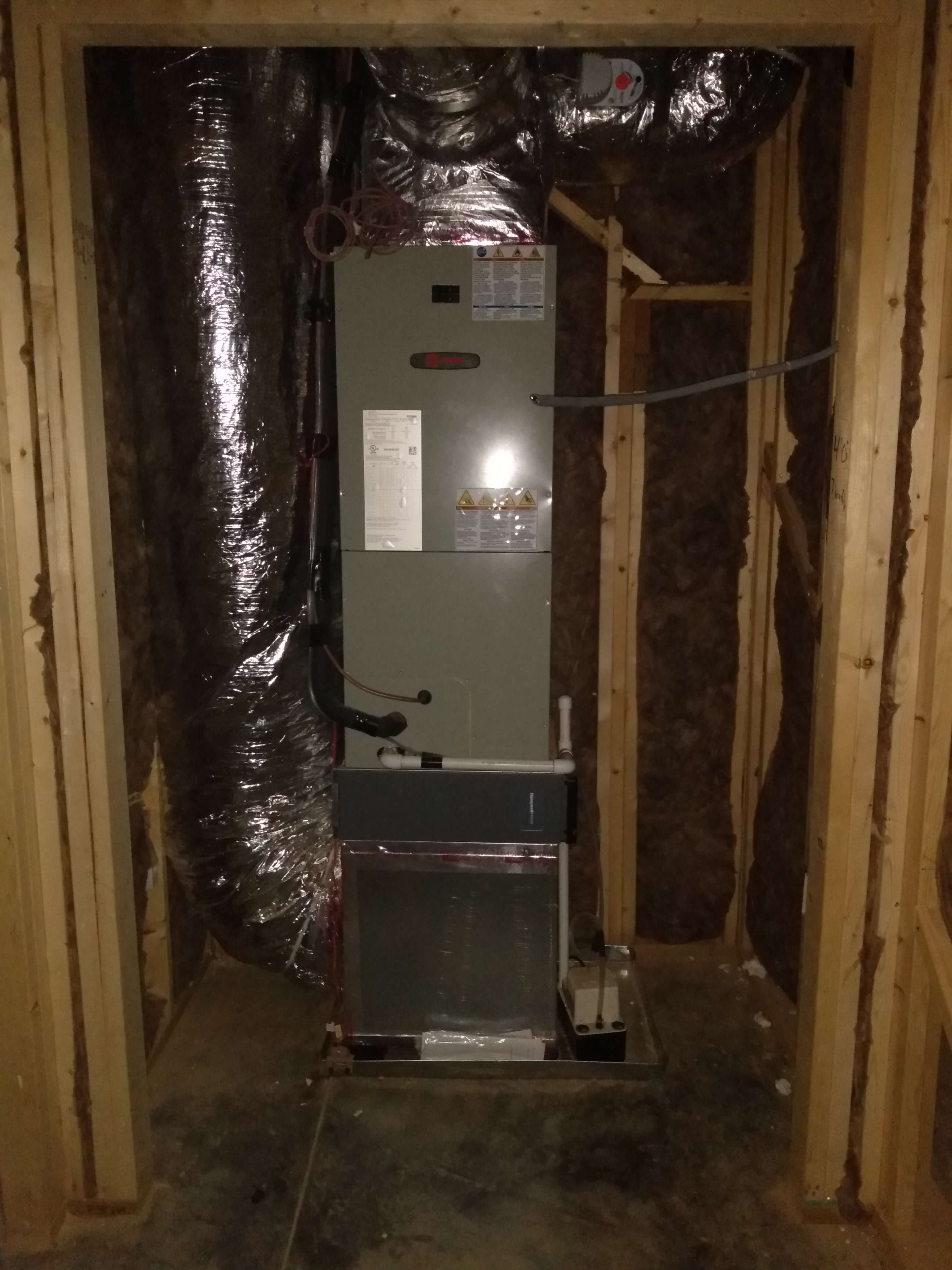
What a Proper HVAC Installation Actually Looks Like — Step by Step
Most people aren't in the room when their HVAC gets installed. They sign the contract, go to work, and come home to a system that either performs correctly or doesn't — and if it doesn't, they usually don't know what was skipped.
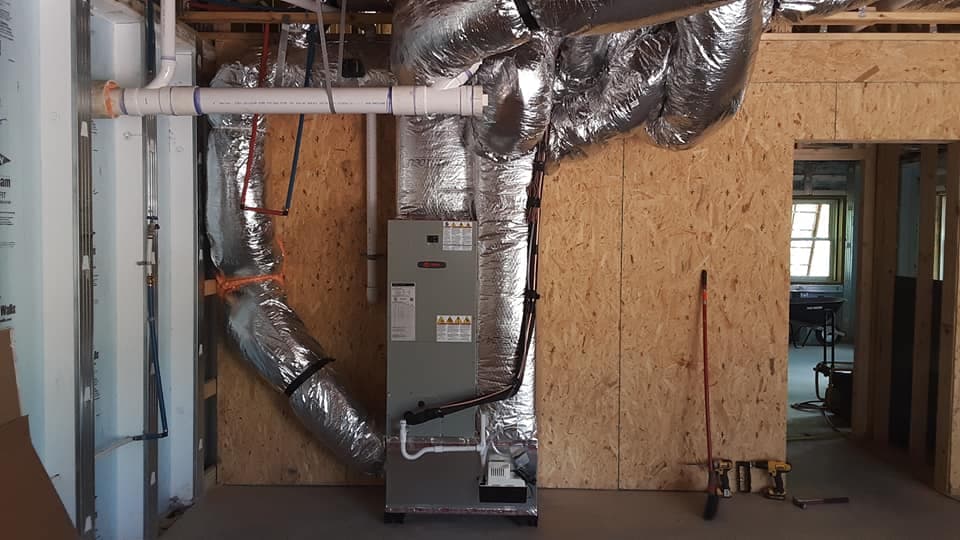
The Shoulder Season Problem — When WNC Can't Decide What Month It Is
They don't argue about the thermostat in July. In July the answer is obvious. They argue about it in October, when it's 68° by noon and 41° by midnight and whatever they set at 7 AM is wrong by 4 PM.
Pollen Season in WNC — What It Does to Your Filter and Your System
The filter was only six weeks old. He pulled it out and held it up to the light coming through the kitchen window. No light came through.