

Lake Junaluska, NC HVAC — Lakeside Humidity and Mountain Cold
She woke up in August and the sheets felt damp. Not wet — just the particular clinging texture of a house where the indoor humidity had crept up overnight while the cooling system maintained the temperature setpoint. The thermometer said 72. The air felt like 80.
The system she had was cooling correctly. It wasn't managing moisture. Those are different functions, and a system optimized for temperature alone won't solve a lakeside humidity problem.
After the replacement — equipment selected with dehumidification performance as a priority, not an afterthought — August in that house felt different. The sheets felt dry. The air felt like the number on the thermostat.
Lake Junaluska is a community in Haywood County, centered on the Lake Junaluska Conference Center — a historic Methodist retreat facility that has operated on the lake since 1913. The lake, roughly 200 acres, sits surrounded by conference buildings, chapels, and a residential community of permanent residents and seasonal property owners. It's a place with a real character: part retreat, part neighborhood, year-round occupation by permanent residents alongside the seasonal rhythm of conferences and visitors.
The lake is the defining HVAC variable. Open water generates evaporation continuously. That water vapor moves into the air around the lake and into the buildings near it. On summer nights when the lake surface is warmer than the air, evaporation increases. On still, humid summer nights, the relative humidity around the lake stays high even after a day's cooling, and buildings without active dehumidification control feel perpetually damp.
The older conference buildings around the lake — many dating from the early to mid-twentieth century — were built before modern humidity management was part of HVAC design. They rely on ventilation and the incidental dehumidification of cooling operation. That's often not enough for the lake microclimate. Comfort complaints from conference attendees and permanent residents alike center on humidity as often as temperature.
Residential properties around the lake face the same challenge year-round but in different forms. Summer is the humidity story. Winter is a different one: Haywood County winters at Lake Junaluska's elevation are real, and the lake's thermal mass moderates temperature somewhat — it rarely freezes, and the water temperature prevents the air immediately adjacent from dropping as fast as inland sites. But it doesn't prevent the genuine cold events that come through WNC in January and February, and a system that's been selected for the lake's mild winter baseline may underperform on the hard nights.
Seasonal residents and conference facilities have the additional challenge of managing systems that may sit idle for periods and then need to perform immediately on demand. Maintenance matters more in that context, not less.
We serve Lake Junaluska and the surrounding Haywood County area.
We come out. We look at what's there. We tell you what it costs. No pressure.
Lake Junaluska, NC — Climate & HVAC Data
- Elevation: 2,560 ft
- Average January low: 26°F
- Average July high: 79°F
- Heating degree days: ~4,650/year
- Cooling degree days: ~575/year
- Reference weather station: Waynesville 1 E (USC00319147)
- From our shop: 27 miles / about 31 minutes via I-40 West
What That Means for Your System
Lake Junaluska is a community built around a 200-acre artificial lake formed by damming Richland Creek in Haywood County. The lake's thermal mass has a measurable moderating effect on local temperatures — slightly warmer in winter and slightly cooler in summer than nearby Waynesville. The area has an oceanic climate (Köppen Cfb), which is rare for the southeastern United States.
The lake's thermal mass moderates temperature extremes slightly compared to Waynesville, but the overall climate is still heavily heating-dominant. Lakefront properties deal with higher humidity from lake evaporation, particularly in summer and early fall. The humidity affects both comfort and equipment — coils work harder to dehumidify, and crawl spaces near the lake need more aggressive moisture management.
Common HVAC Issues We See Here
- Lakefront properties experiencing elevated humidity from lake evaporation — dehumidification is often needed
- Lake-effect moisture in crawl spaces and basements requiring vapor barriers and crawl space dehumidifiers
- Heating-dominant climate similar to Waynesville — heat pump supplemental heat sizing is critical
- Conference center and retreat community with seasonal occupancy — systems sitting idle for weeks need proper startup procedures
Service Details
- Response time: 27 miles / about 31 minutes via I-40 West
- Service area coverage: All of Lake Junaluska, lakefront properties, Richland Creek area, adjacent Waynesville neighborhoods
- Service type: Installation, repair, and maintenance — all makes and models
Call 828-774-8614 or book online. No pressure, no upsells — just honest answers from a local team that knows this area.

About the Author
Vadim Melnic
Owner & Lead Technician, Fair Air Heating & Cooling·
EPA Section 608 Certified
Vadim has been serving the Asheville area since 2018, specializing in residential HVAC installation, service, and indoor air quality solutions. He founded Fair Air with a simple commitment: honest pricing, quality workmanship, and treating every home like his own.
Keep Reading
Related Articles
What a Proper HVAC Installation Actually Looks Like — Step by Step
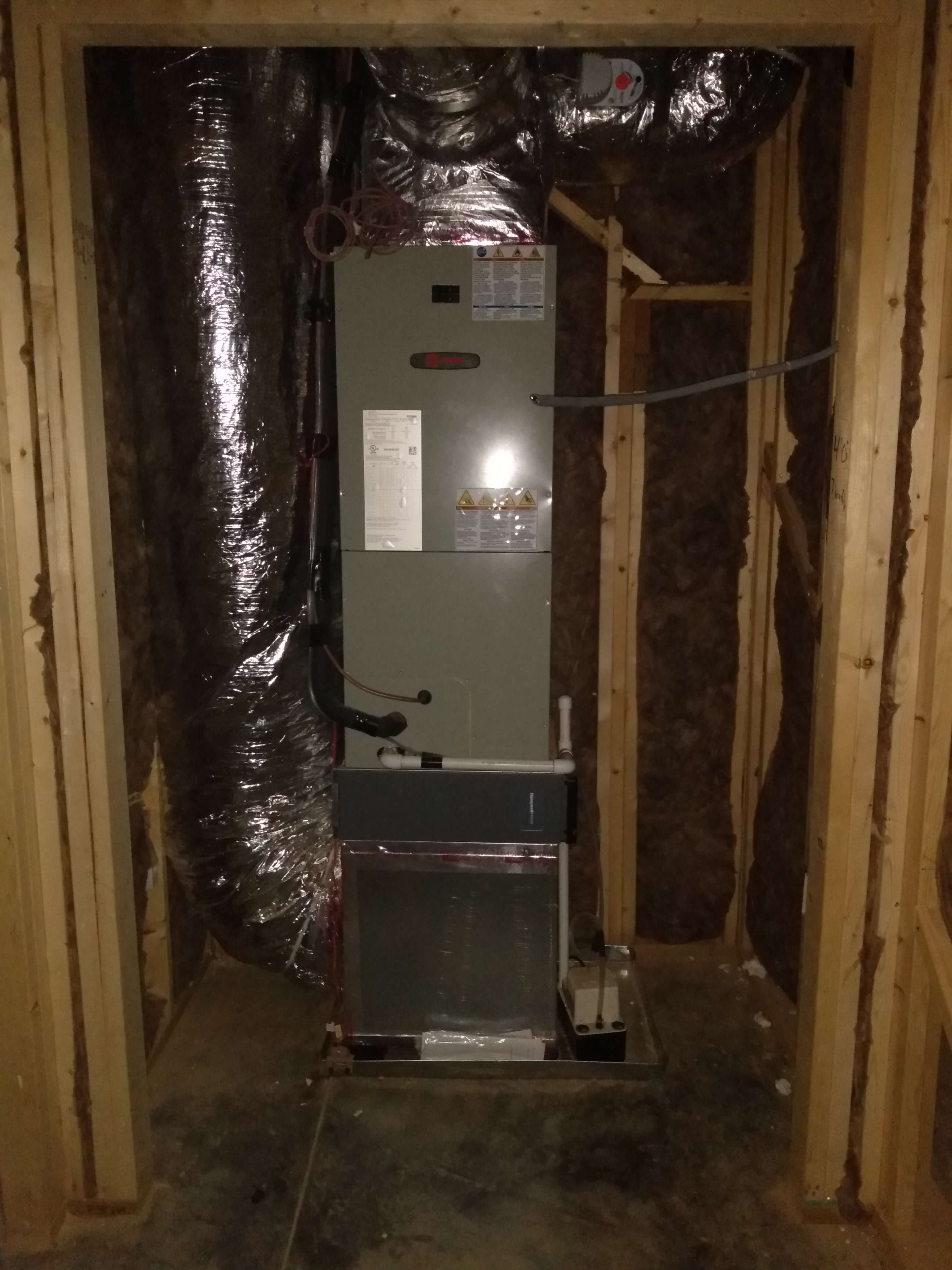
Most people aren't in the room when their HVAC gets installed. They sign the contract, go to work, and come home to a system that either performs correctly or doesn't — and if it doesn't, they usually don't know what was skipped.
The Shoulder Season Problem — When WNC Can't Decide What Month It Is
They don't argue about the thermostat in July. In July the answer is obvious. They argue about it in October, when it's 68° by noon and 41° by midnight and whatever they set at 7 AM is wrong by 4 PM.
Pollen Season in WNC — What It Does to Your Filter and Your System
The filter was only six weeks old. He pulled it out and held it up to the light coming through the kitchen window. No light came through.