

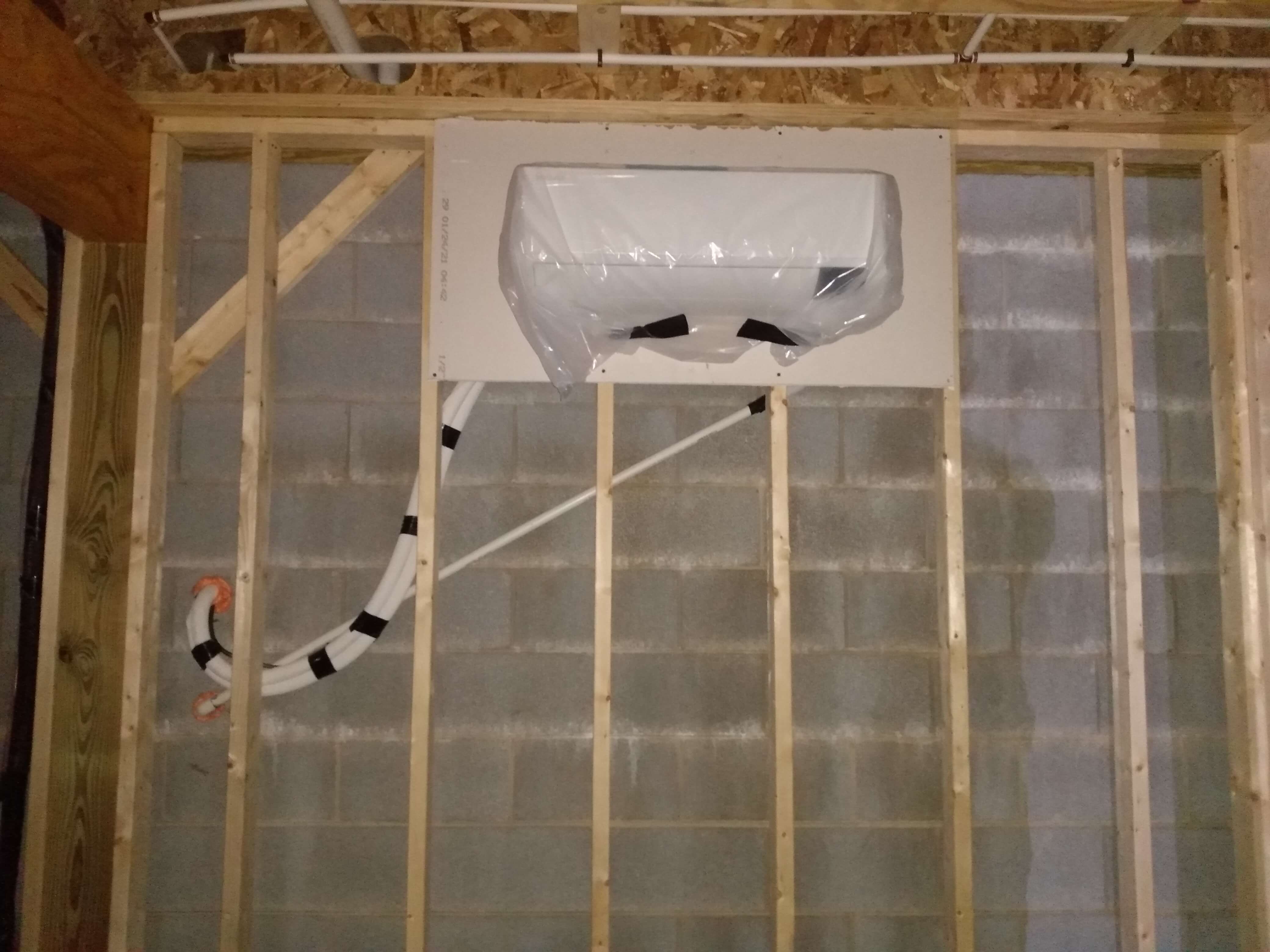
Repair or Replace — The Honest Math, Job by Job
We've recommended repair when we could have sold a replacement. We've recommended replacement when repair was clearly throwing money at a system that was going to fail again. The math is the same either way — it just doesn't always come out the same answer.
A homeowner in Black Mountain called us about her heat pump this past winter. The unit was eleven years old. The capacitor had failed. She'd had the compressor replaced under warranty six years ago, and the system had run fine since. She wanted to know: repair or replace?
The capacitor cost $85 in parts. An hour of labor. The system was otherwise in good condition — clean coil, good refrigerant charge, no signs of impending failure anywhere in the electrical system. The compressor swap had reset the internal clock on that component. There was nothing in the picture that suggested she was about to spend more money on this system soon. We replaced the capacitor. We told her to call us if anything else surfaced in the next season or two, and that if it did, we'd revisit the replacement question with that new information.
That was the honest call. Not the profitable one. The honest one.
Now the other scenario. An Asheville homeowner with a fifteen-year-old R-22 system that had developed a refrigerant leak in the evaporator coil. Fixing it meant finding the leak, repairing it if possible, and recharging with R-22 — which is no longer manufactured and trades at several times its historical cost. The leak repair itself was uncertain: formicary corrosion in the copper tubing means the failure point may not be unique. Fix one pinhole and another surfaces three months later. Add up the R-22 recharge at current prices plus the leak detection labor plus the repair plus the risk of a repeat, and you're looking at a cost that approaches 40% of a new system — a system that would also be far more efficient and use a current refrigerant.
We recommended replacement. The homeowner had been hoping to get two more years out of it. We told him we understood that, explained the math and the uncertainty, and let him decide. He replaced it.
The rule of thumb most contractors use — replace if the repair exceeds 50% of replacement cost — is a starting point, not a complete answer. Age matters independently of repair cost. A $400 repair on a 6-year-old system is very different from a $400 repair on a 17-year-old system, even though the dollar figure is the same. The older system is statistically closer to compressor failure, heat exchanger failure, or refrigerant system failure that won't be a $400 fix.
Refrigerant type is its own axis. Systems running R-22 have a different calculus than systems running R-410A or the newer R-454B blends. R-22 is an orphan refrigerant — repairs that require a recharge are increasingly expensive, and you're investing in a platform with no long-term future.
Repair history matters too. A system that's been reliable and had one failure is a different calculation than a system that's had three repairs in two years. Multiple failures are the system telling you something. Listen to it.
We document the repair history on every system we touch. When we come back to a home we've serviced before, we know what we've seen. That history changes the recommendation — in either direction.
The thing that doesn't change the recommendation is our margin. We make money on installations. We make money on service calls. We don't make money on telling you to wait. But telling you to wait when that's the right answer is how we get called back when the time actually comes.
The math is the math. We show you the numbers and tell you what we'd do.

About the Author
Vadim Melnic
Owner & Lead Technician, Fair Air Heating & Cooling·
EPA Section 608 Certified
Vadim has been serving the Asheville area since 2018, specializing in residential HVAC installation, service, and indoor air quality solutions. He founded Fair Air with a simple commitment: honest pricing, quality workmanship, and treating every home like his own.
Keep Reading
Related Articles
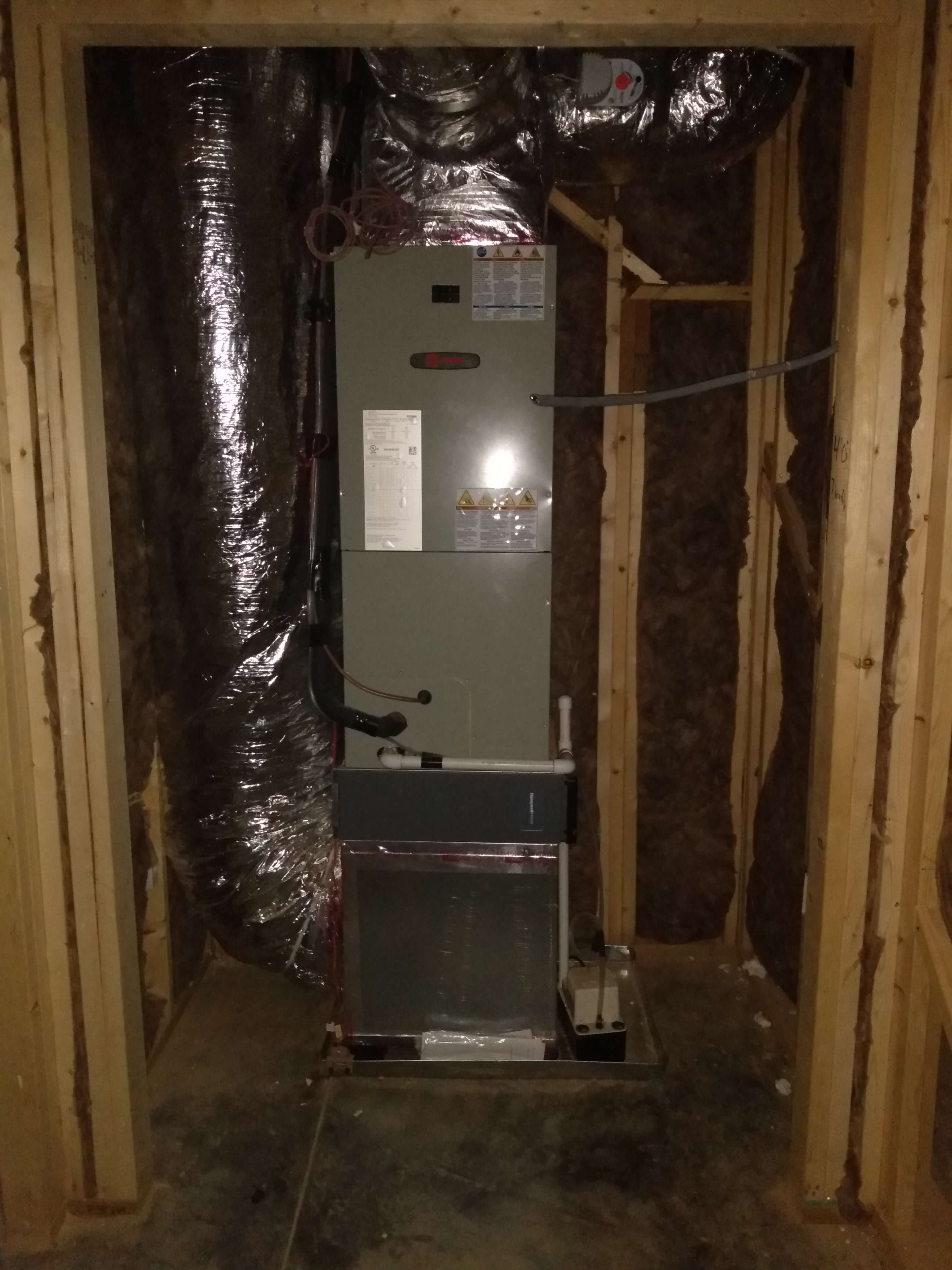
What a Proper HVAC Installation Actually Looks Like — Step by Step
Most people aren't in the room when their HVAC gets installed. They sign the contract, go to work, and come home to a system that either performs correctly or doesn't — and if it doesn't, they usually don't know what was skipped.
The Shoulder Season Problem — When WNC Can't Decide What Month It Is
They don't argue about the thermostat in July. In July the answer is obvious. They argue about it in October, when it's 68° by noon and 41° by midnight and whatever they set at 7 AM is wrong by 4 PM.
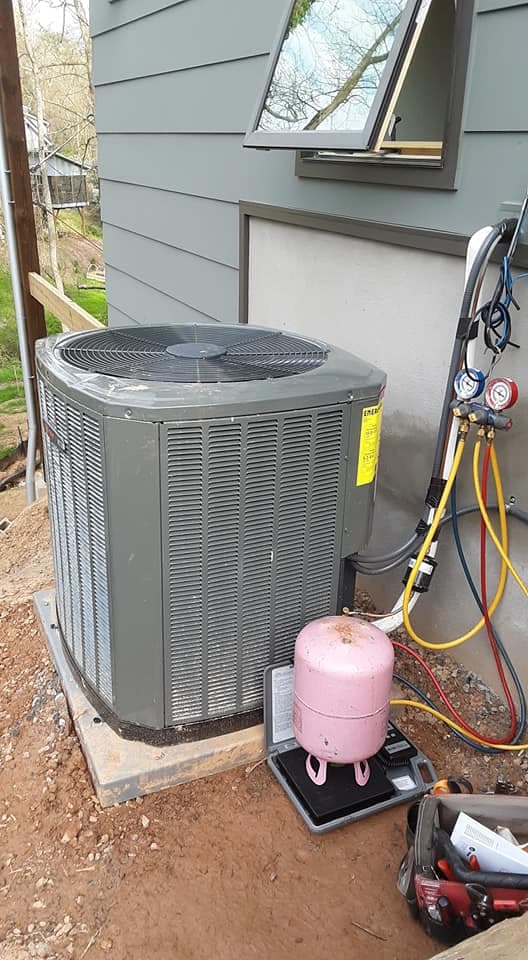
Pollen Season in WNC — What It Does to Your Filter and Your System
The filter was only six weeks old. He pulled it out and held it up to the light coming through the kitchen window. No light came through.