

Swannanoa, NC HVAC — Valley Geography Changes Everything
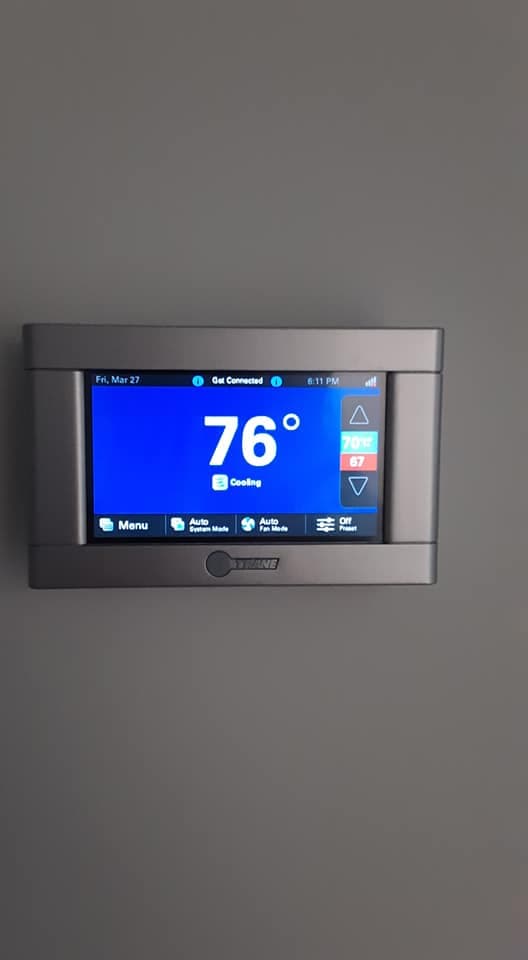
He wakes up to a colder house than the thermostat suggests it should be. The system ran through the night. He checks it — the unit cycled properly, nothing tripped, no error codes. The house is just cold. This is Swannanoa in January: the valley held the cold all night, and no amount of correctly functioning equipment changes what the valley is doing outside the walls.
That stopped bothering him after the system was replaced with something sized correctly for his site. The house holds temperature now. He stopped checking the thermostat before sunrise.
Swannanoa is a community of about 4,500 people in a valley that makes its geography felt in almost every aspect of daily life. The Swannanoa River runs through it. On both sides, ridges rise steeply — confining the valley in a way that channels air movement and creates temperature patterns that the broader WNC averages don't capture. Cold air draining down from those ridges at night has nowhere to go but the valley floor. The result is one of the more pronounced cold-air pooling effects in Buncombe County.
Temperature inversions — where the valley floor is colder than the surrounding ridges — are common in Swannanoa in winter. When the Asheville forecast says 28 degrees, the valley floor in Swannanoa may be seeing 22. The difference matters. A heat pump operating at 22 degrees is working in a meaningfully different efficiency range than one operating at 28. A system sized for the Asheville baseline will be undersized for a valley-floor Swannanoa home in a cold snap.
Warren Wilson College sits in the valley, and the surrounding area near the college has a mix of older residential homes and institutional buildings. Further west toward the Asheville boundary, industrial-era worker housing — smaller, older, often minimally insulated — sits alongside newer construction. Both ends of the housing spectrum present in Swannanoa, and they have different HVAC needs.
The constriction of the valley also affects summer conditions. Afternoon thunderstorms tracking up or down the Swannanoa Valley can be intense — the ridge walls channel and accelerate weather systems. High humidity from the river corridor is present throughout the warmer months. Dehumidification is not an afterthought in Swannanoa homes; it's a central function of the cooling system.
When we assess a home in Swannanoa, we account for the valley position. Is the site on the valley floor where cold-air pooling is most pronounced, or on a slope with more air movement? What's the orientation of the house relative to the channeled prevailing wind? How old is the construction, and what does that mean for envelope performance at the lowest winter temperatures this site actually sees?
HVAC in Swannanoa rewards careful assessment. We've replaced systems here that worked fine in October and failed by January — not because they were defective, but because no one had accounted for what the valley does.
We come out. We look at what's there. We tell you what it costs. No pressure.
Swannanoa, NC — Climate & HVAC Data
- Elevation: 2,198 ft
- Average January low: 28°F
- Average July high: 81°F
- Heating degree days: ~4,500/year
- Cooling degree days: ~700/year
- Reference weather station: Asheville 8 SSW (USW00053877)
- From our shop: 10 miles / about 13 minutes from our shop
What That Means for Your System
Swannanoa sits in the Swannanoa River Valley between Asheville and Black Mountain along the I-40 corridor. Swannanoa Gap (2,657 ft) nearby marks the Eastern Continental Divide. The valley orientation channels cold air drainage from the Black Mountains to the east, and the relatively narrow valley floor concentrates the effect.
Swannanoa has the lowest average July high (81°F) of any town in our primary service area, which means lower cooling demand — but the valley cold-air pooling significantly increases heating needs. The ratio of heating to cooling demand here is more heating-dominant than Asheville, which affects equipment selection and sizing priorities.
Common HVAC Issues We See Here
- Valley cold-air pooling producing winter morning lows 3–5°F below Asheville — heat pump backup heat sizing matters
- Flood-affected homes along the Swannanoa River that may have compromised ductwork or equipment in crawl spaces
- Older homes along US-70 with single-zone systems struggling to maintain even temperatures across additions
- Warren Wilson College area properties in wooded settings with reduced airflow around outdoor condensers
Service Details
- Response time: 10 miles / about 13 minutes from our shop
- Service area coverage: All of Swannanoa, Bee Tree, Warren Wilson College area, US-70 corridor
- Service type: Installation, repair, and maintenance — all makes and models
Call 828-774-8614 or book online. No pressure, no upsells — just honest answers from a local team that knows this area.

About the Author
Vadim Melnic
Owner & Lead Technician, Fair Air Heating & Cooling·
EPA Section 608 Certified
Vadim has been serving the Asheville area since 2018, specializing in residential HVAC installation, service, and indoor air quality solutions. He founded Fair Air with a simple commitment: honest pricing, quality workmanship, and treating every home like his own.
Keep Reading
Related Articles
What a Proper HVAC Installation Actually Looks Like — Step by Step
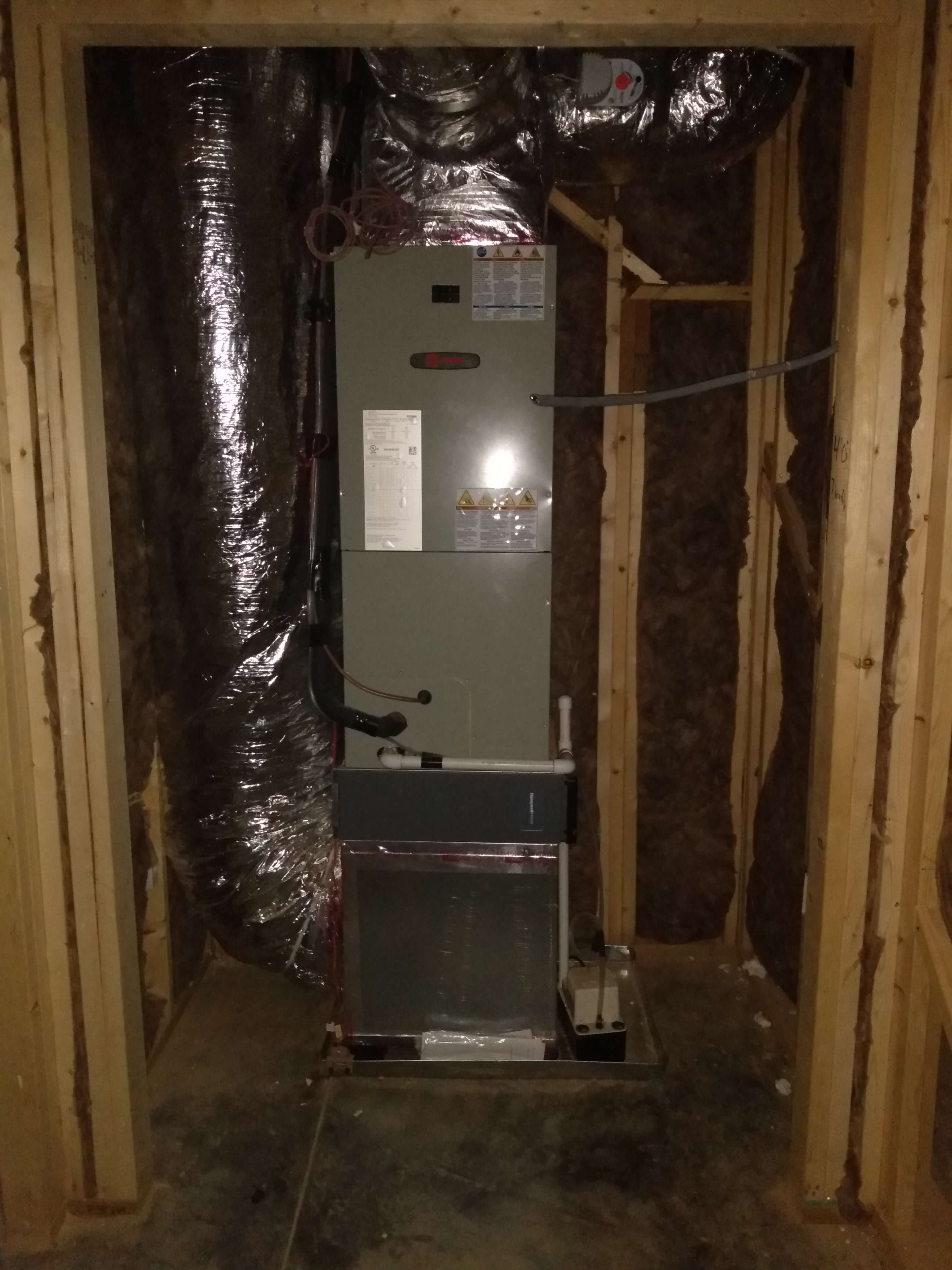
Most people aren't in the room when their HVAC gets installed. They sign the contract, go to work, and come home to a system that either performs correctly or doesn't — and if it doesn't, they usually don't know what was skipped.
The Shoulder Season Problem — When WNC Can't Decide What Month It Is
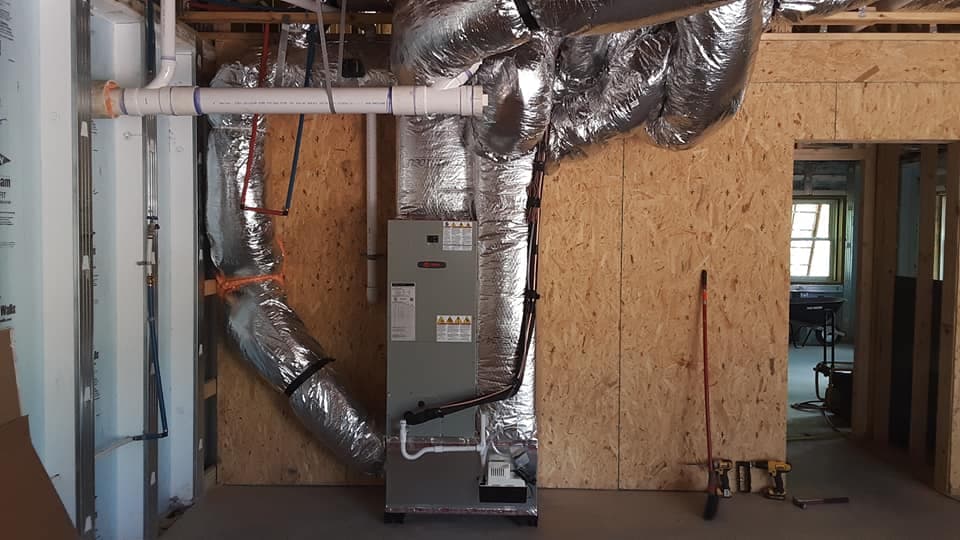
They don't argue about the thermostat in July. In July the answer is obvious. They argue about it in October, when it's 68° by noon and 41° by midnight and whatever they set at 7 AM is wrong by 4 PM.
Pollen Season in WNC — What It Does to Your Filter and Your System
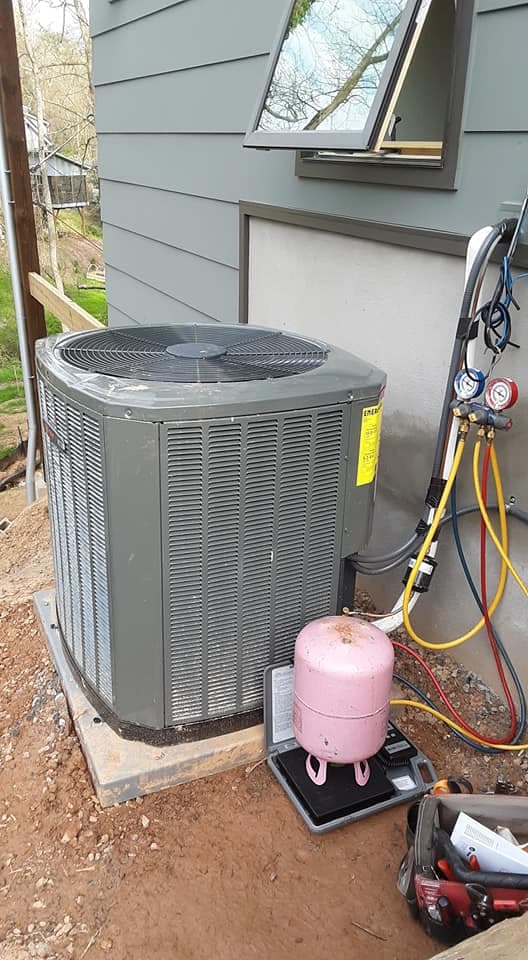
The filter was only six weeks old. He pulled it out and held it up to the light coming through the kitchen window. No light came through.