

HVAC in Marshall, NC — Small Town on the French Broad, Big Climate Demands
She runs the hardware store on Main Street. It's been in the family since the 1950s. She opens at eight, closes at five, and on cold mornings she gets there early to turn on the heat so it's warm by the time customers come in. She didn't used to need to do that. The old boiler handled itself. But the new system — the heat pump they put in three years ago, after the boiler finally gave out — needed some time to come up to temperature in a building that size.
Last winter she stopped going in early. The system was balanced correctly. It held temperature through the night.
Marshall is Madison County's small, distinctive seat — a town compressed between the French Broad River and the ridge that rises almost immediately from Main Street's back lots. There is no flat land in Marshall that doesn't flood. The buildings sit close to the river, the ridge takes all the sun from the south and west in winter, and the river is a constant presence in both the climate and the character of the place.
The French Broad in this stretch is narrow and swift — less like the wide meandering river it becomes downstream and more like a mountain river still moving with energy. The proximity creates persistent humidity in the lower sections of town, particularly in summer. Buildings along Main Street deal with humidity from below (the river) and from above (the ridge that traps moisture and weather systems). Older masonry buildings — and Marshall has many, built in the early twentieth century with brick that has absorbed decades of river moisture — present particular challenges for HVAC retrofit.
The ridge rising behind Main Street has a significant effect on winter solar gain. A town on a flat plain gets winter sun from the south all day. Marshall's ridge cuts that off in the afternoon, shortening the solar heat gain period and deepening the cold in buildings along the river-facing corridor. A load calculation for a Marshall building that doesn't account for the ridge geometry will underestimate the heating load.
Beyond downtown, Marshall's surrounding hollows and ridge roads reach into the rural Madison County backcountry. These properties — older farmhouses, some of them quite remote — are the places where HVAC reliability matters most. A heating failure in a remote Madison County hollow in January is not a minor inconvenience. The nearest contractor may be an hour away if the road is right.
We serve Marshall and the surrounding Madison County communities. It's a longer drive from Woodfin than our Buncombe County service area, but we're out this way regularly and we don't treat it as secondary territory.
We come out. We look at what's there. We tell you what it costs. No pressure.
Marshall, NC — Climate & HVAC Data
- Elevation: 1,650 ft
- Average January low: 24°F
- Average July high: 85°F
- Heating degree days: 4,509/year
- Cooling degree days: 845/year
- Reference weather station: Marshall (USC00315356)
- From our shop: 19 miles / about 30 minutes from our shop
What That Means for Your System
Marshall is the Madison County seat, tucked into a narrow valley on the French Broad River with steep mountainous terrain on all sides. At 1,650 ft, it's one of the lowest-elevation towns in our service area. The river valley creates a temperature inversion effect — cold air gets trapped in the valley on winter mornings, but summer highs are among the warmest in the area.
Marshall's low elevation and sheltered valley create wider temperature swings than most WNC towns — hotter summers and colder winter mornings due to inversion. Systems here work harder on both ends. The high HDD (4,509) despite low elevation reflects the valley cold trapping. Air conditioning demand is also higher than mountain towns.
Common HVAC Issues We See Here
- Temperature inversions trapping cold air in the French Broad valley — winter morning lows averaging 24°F despite low elevation
- Older downtown buildings along Main Street with limited space for outdoor equipment due to steep terrain
- Flood-risk properties along the French Broad requiring elevated equipment placement
- Summer cooling demand higher than most WNC towns due to low elevation and sheltered valley trapping heat
Service Details
- Response time: 19 miles / about 30 minutes from our shop
- Service area coverage: All of Marshall, downtown Main Street area, Blannahassett Island, US-25/70 corridor, upper French Broad valley
- Service type: Installation, repair, and maintenance — all makes and models
Call 828-774-8614 or book online. No pressure, no upsells — just honest answers from a local team that knows this area.

About the Author
Vadim Melnic
Owner & Lead Technician, Fair Air Heating & Cooling·
EPA Section 608 Certified
Vadim has been serving the Asheville area since 2018, specializing in residential HVAC installation, service, and indoor air quality solutions. He founded Fair Air with a simple commitment: honest pricing, quality workmanship, and treating every home like his own.
Keep Reading
Related Articles
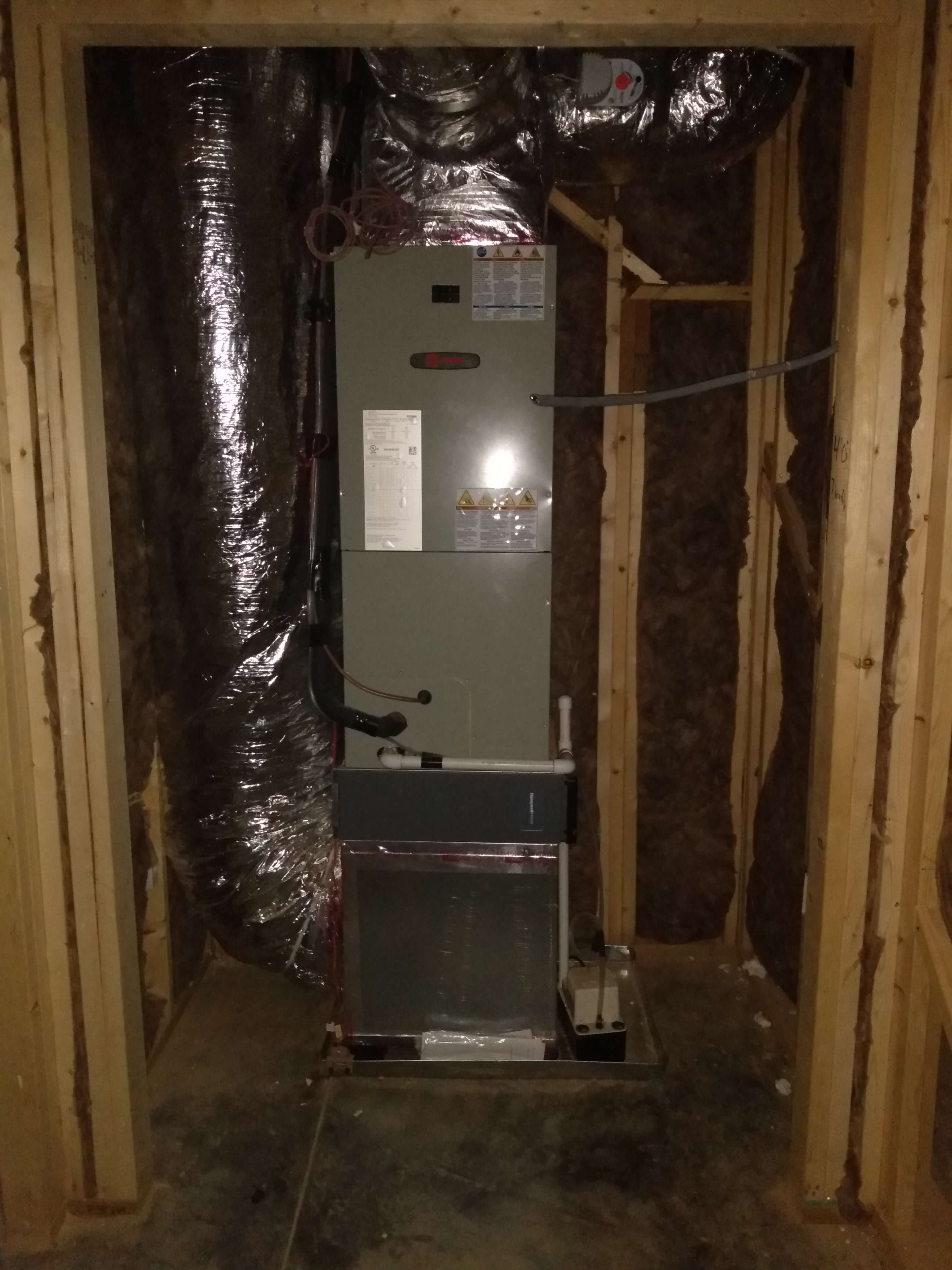
What a Proper HVAC Installation Actually Looks Like — Step by Step
Most people aren't in the room when their HVAC gets installed. They sign the contract, go to work, and come home to a system that either performs correctly or doesn't — and if it doesn't, they usually don't know what was skipped.
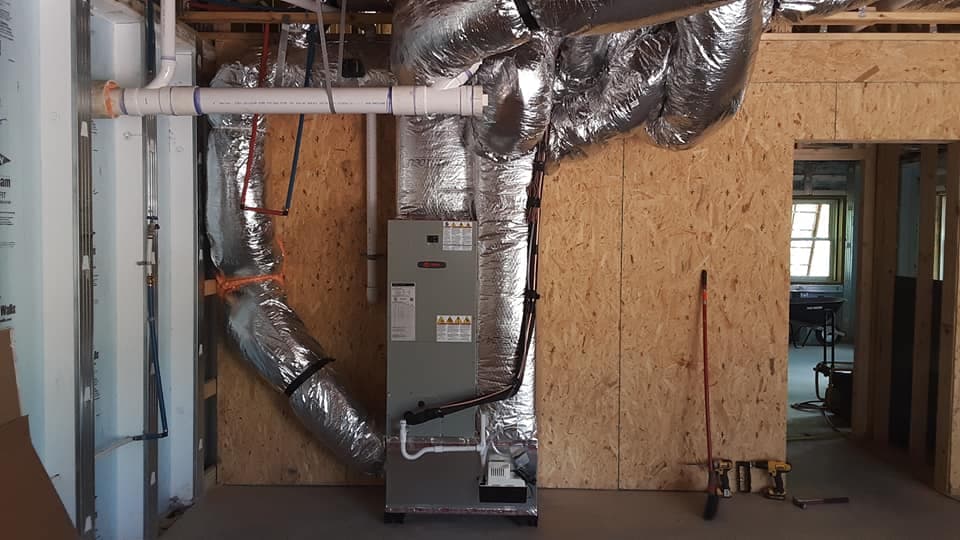
The Shoulder Season Problem — When WNC Can't Decide What Month It Is
They don't argue about the thermostat in July. In July the answer is obvious. They argue about it in October, when it's 68° by noon and 41° by midnight and whatever they set at 7 AM is wrong by 4 PM.
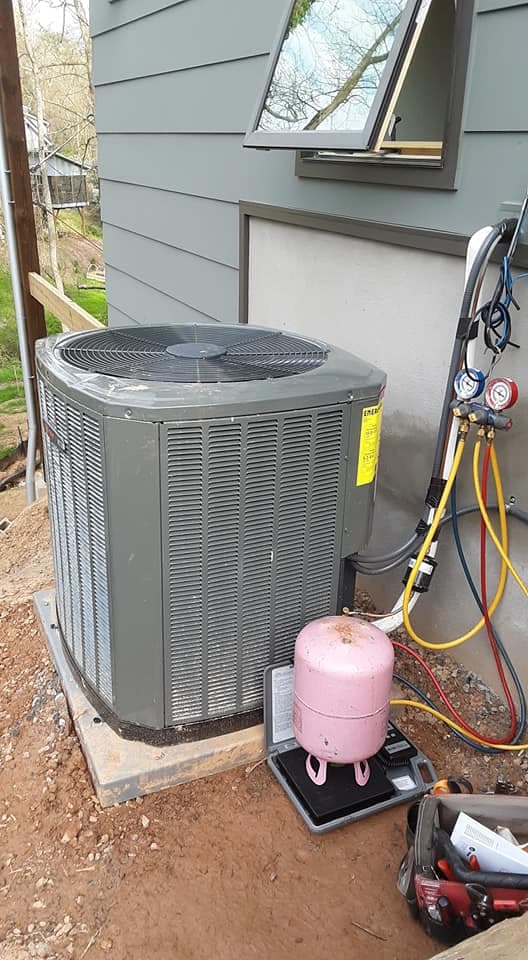
Pollen Season in WNC — What It Does to Your Filter and Your System
The filter was only six weeks old. He pulled it out and held it up to the light coming through the kitchen window. No light came through.