

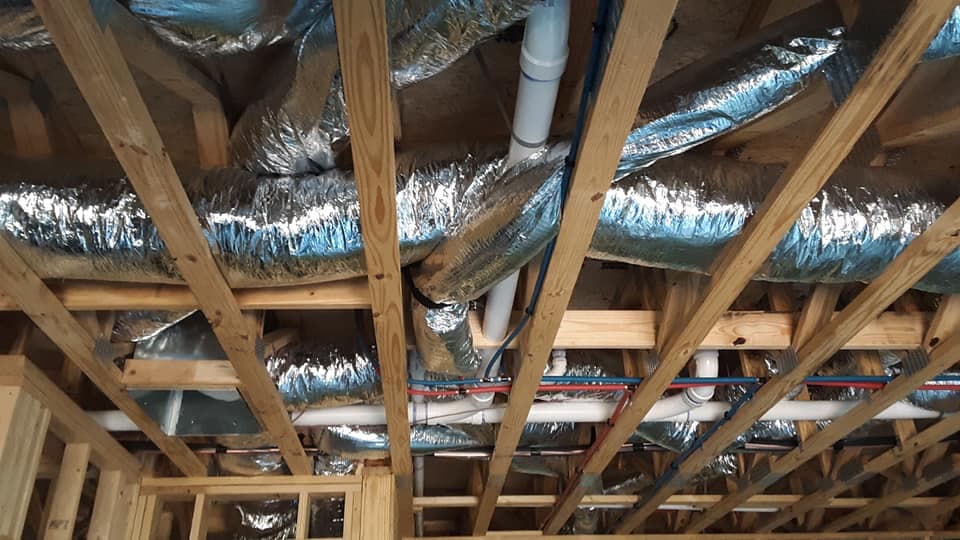
HVAC in Waynesville, NC — The Gateway to the Smokies Has Real Weather
She moved to Waynesville from Raleigh for the mountains and the slower pace. She got both. She also got winters that were colder than she'd planned for, summers that were wetter than she expected, and a downtown apartment in an old building where the HVAC system was doing its best against physics and losing.
The property manager finally addressed it after the second winter. New system, correct size for the building, ductwork sealed where it had been leaking into the wall cavities. The third winter, the tenants stopped calling her about the heat.
Waynesville is the Haywood County seat, set in a bowl of ridges at around 2,650 feet in elevation — notably higher than Asheville, noticeably colder in winter, noticeably wetter throughout the year. The proximity to the Great Smoky Mountains National Park shapes the local climate: moisture flowing up from the Tennessee valleys brings higher annual precipitation and the kind of gray overcast winters that Waynesville residents learn to wear. The area receives more snowfall than Asheville and the freeze-thaw cycles in late winter can be frequent.
That elevation and precipitation pattern means HVAC in Waynesville has to account for genuine winter performance. Heat pumps at 2,650 feet see their balance point earlier and more often than heat pumps at Asheville's elevation. The coldest nights — not the average nights, but the cold events that come two or three times each winter — are the design constraint. A system that handles the median well but fails at the extremes leaves people cold on the nights that matter most.
The historic downtown and the residential neighborhoods around it contain older building stock — Haywood County's commercial buildings along Main Street are a mix of nineteenth-century masonry and early-twentieth-century construction, some now converted to apartments and mixed use. These buildings were not designed with ductwork in mind. Every retrofit is a puzzle: where do you run the supply air, where does the return go, what do you do about a floor plan that doesn't accommodate conventional duct routing? We've worked through these puzzles in Waynesville buildings and know what solutions tend to work in the local construction vocabulary.
The arts community and tourism that characterize modern Waynesville also bring a category of commercial and short-term rental work — studio spaces, galleries, vacation rentals in older homes. These have irregular occupancy patterns and loads that differ from year-round residential use. Vacation rental owners in particular need systems that are reliable without constant attention, because the consequence of a failure is a guest complaint, a refund, and a bad review.
Ridge properties surrounding Waynesville, up toward the parkway access roads and the higher terrain, face the same exposure factors we see throughout WNC's higher elevations.
We serve Waynesville and Haywood County. It's a longer drive from Woodfin, and we plan our Haywood County days accordingly.
We come out. We look at what's there. We tell you what it costs. No pressure.
Waynesville, NC — Climate & HVAC Data
- Elevation: 2,660 ft
- Average January low: 23°F
- Average July high: 81°F
- Heating degree days: 4,677/year
- Cooling degree days: 568/year
- Reference weather station: Waynesville 1 E (USC00319147)
- From our shop: 31 miles / about 35 minutes via I-40 West
What That Means for Your System
Waynesville is the Haywood County seat, sitting at 2,660 ft in a broad valley flanked by the Balsam and Plott Balsam mountain ranges. It's one of the higher-elevation towns in our service area. The cooler climate is reflected in one of the lowest July highs (81°F) and one of the lowest cooling degree day counts (568). Drained by Richland Creek, a tributary of the Pigeon River.
Waynesville's climate is heavily heating-dominant — nearly 5,000 HDD with only 568 CDD. That means heating equipment sizing, efficiency, and supplemental heat capacity are the primary concerns. Cooling is secondary. A system selected here should prioritize heating performance over SEER rating. The January average low of 23°F means heat pumps need robust auxiliary heat backup.
Common HVAC Issues We See Here
- Heating-dominant climate with 4,677 HDD — system selection should prioritize heating efficiency (HSPF) over cooling (SEER)
- January lows averaging 23°F reducing heat pump efficiency significantly — auxiliary heat sizing is critical
- Higher snowfall (~12 inches) requiring outdoor unit elevation and snow clearance considerations
- Maggie Valley corridor at 3,000+ ft with even colder conditions than Waynesville proper
Service Details
- Response time: 31 miles / about 35 minutes via I-40 West
- Service area coverage: All of Waynesville, Maggie Valley, Lake Junaluska, Dellwood, Fines Creek
- Service type: Installation, repair, and maintenance — all makes and models
Call 828-774-8614 or book online. No pressure, no upsells — just honest answers from a local team that knows this area.

About the Author
Vadim Melnic
Owner & Lead Technician, Fair Air Heating & Cooling·
EPA Section 608 Certified
Vadim has been serving the Asheville area since 2018, specializing in residential HVAC installation, service, and indoor air quality solutions. He founded Fair Air with a simple commitment: honest pricing, quality workmanship, and treating every home like his own.
Keep Reading
Related Articles
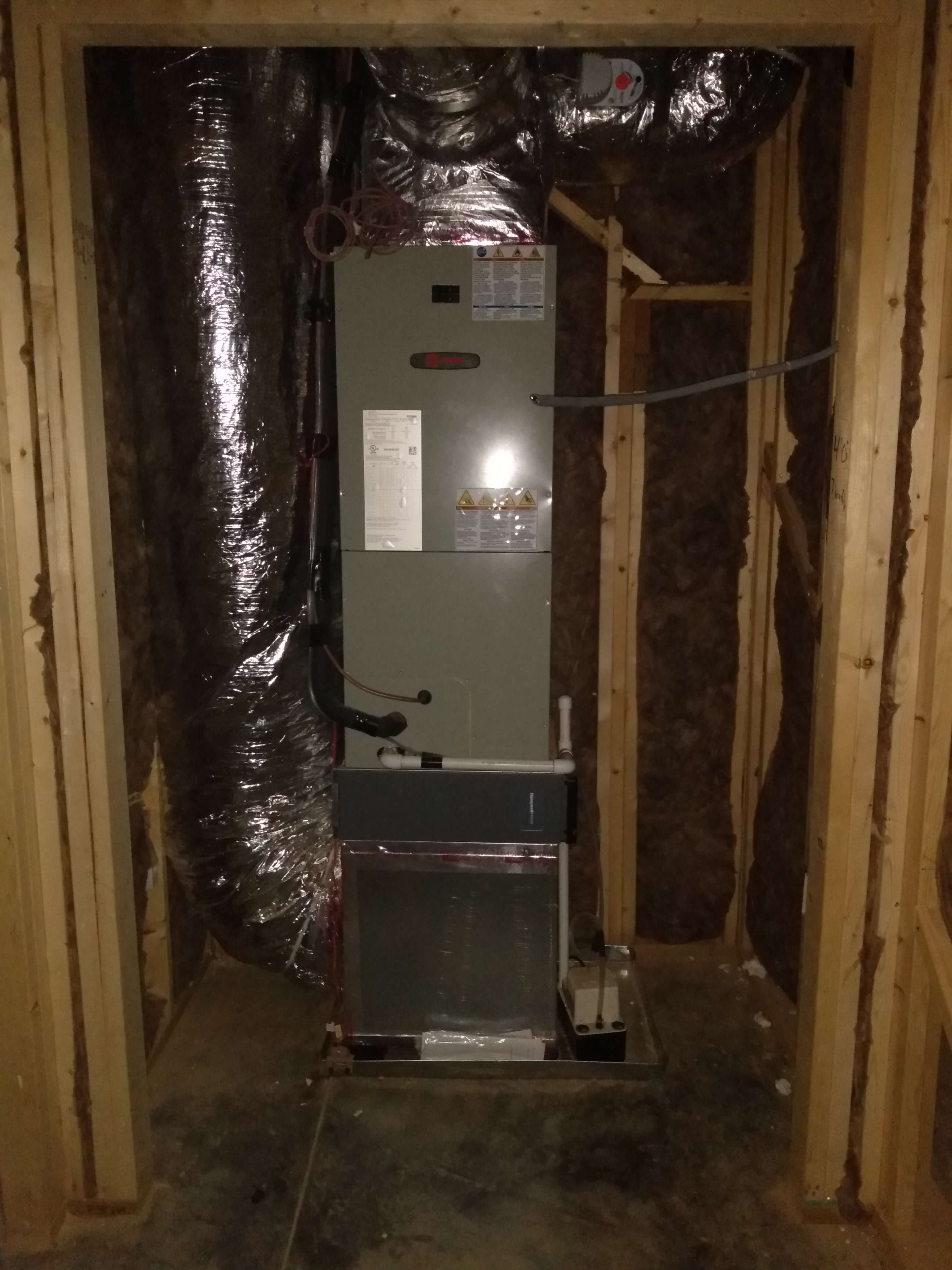
What a Proper HVAC Installation Actually Looks Like — Step by Step
Most people aren't in the room when their HVAC gets installed. They sign the contract, go to work, and come home to a system that either performs correctly or doesn't — and if it doesn't, they usually don't know what was skipped.
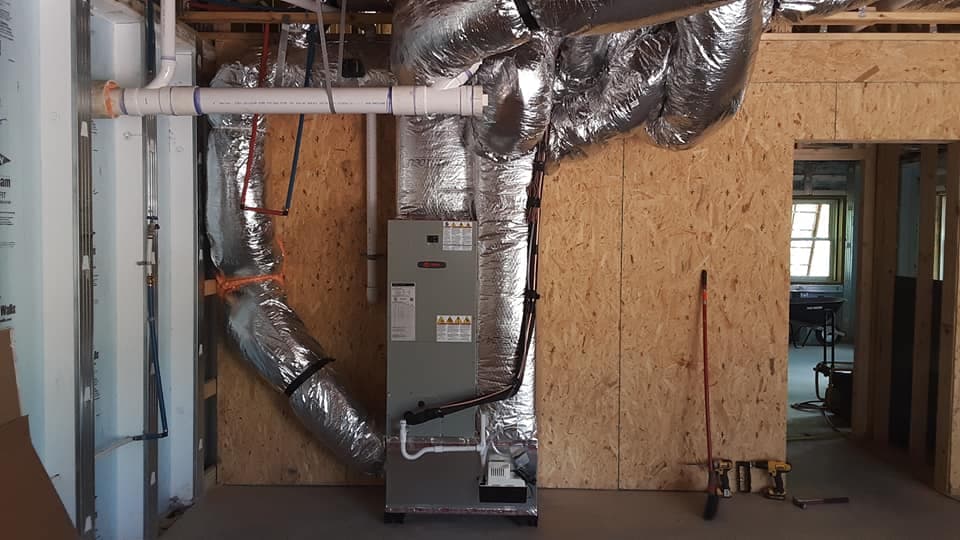
The Shoulder Season Problem — When WNC Can't Decide What Month It Is
They don't argue about the thermostat in July. In July the answer is obvious. They argue about it in October, when it's 68° by noon and 41° by midnight and whatever they set at 7 AM is wrong by 4 PM.
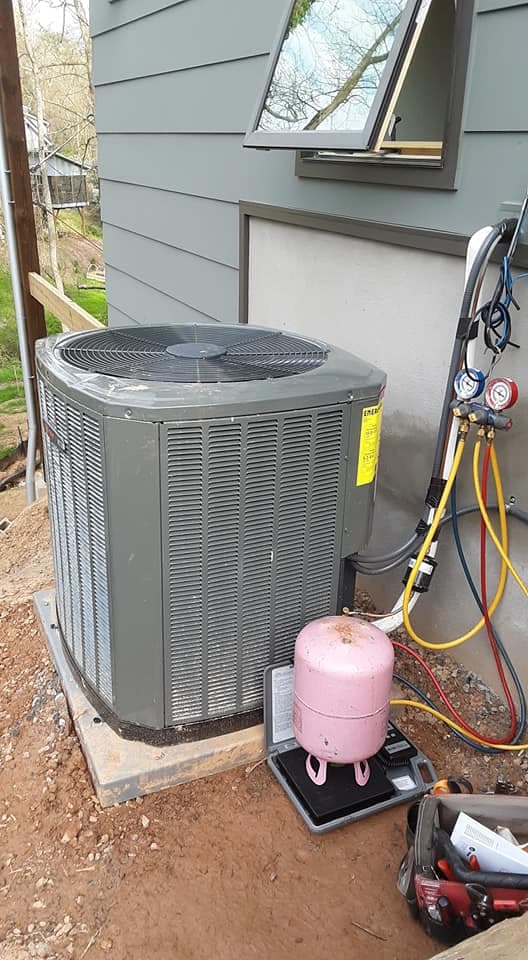
Pollen Season in WNC — What It Does to Your Filter and Your System
The filter was only six weeks old. He pulled it out and held it up to the light coming through the kitchen window. No light came through.