

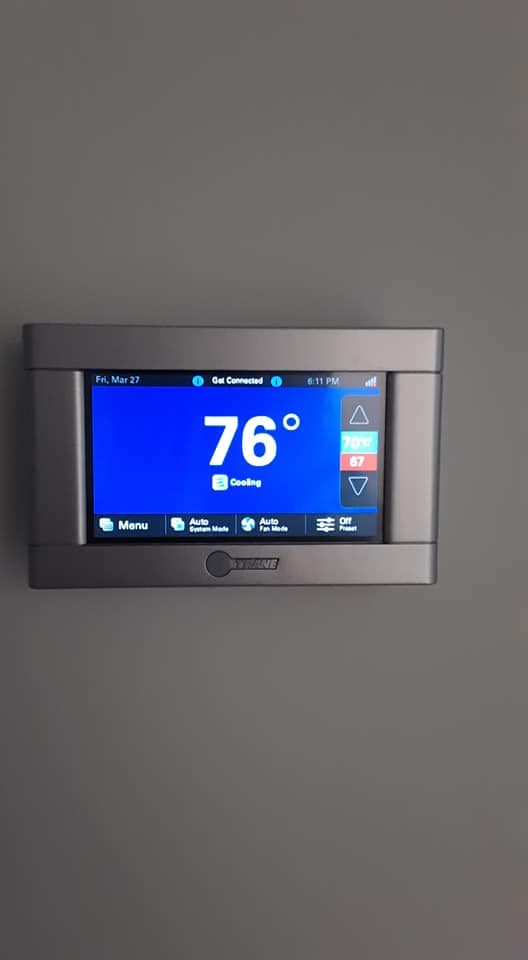
Your New System Isn't Performing the Way It Should — Here's Why
New equipment. Old problems.
Rooms that were uneven before the installation were still uneven six months later. The system was running, conditioning the house, doing the basic job — but the efficiency improvement the contractor had sold on the front end hadn't materialized. The bills were marginally better, not substantially better. And one bedroom at the end of the longest duct run was still noticeably cooler than the rest of the house in summer, warmer in winter — the same complaint the homeowner had registered before the old system came out.
The homeowner is in Asheville. He'd replaced a 13-year-old system with new equipment — a high-efficiency heat pump with a variable-speed air handler, the kind of equipment that should, in the right conditions, deliver noticeably better comfort and meaningfully lower operating costs. The contractor had quoted a 30 percent efficiency improvement. Six months in, he was struggling to find 10.
When we assessed the installation, the equipment was fine. Factory-fresh components, no installation damage, everything mechanically intact. What wasn't intact was the context around the equipment.
The duct system was the same one the old system had used — never tested for leakage, never balanced for the new equipment's airflow characteristics. The new air handler had different static pressure requirements than the old one. Nobody had measured the existing duct system's static pressure to verify it was within the new equipment's operating range. The duct system was running the new air handler at above-design static pressure, which meant the variable-speed motor was working harder than it should and delivering less airflow than it was rated for.
The refrigerant charge hadn't been verified at startup. The installation was done in March, when temperatures weren't conducive to a full charge verification test. Many contractors will complete an installation, pull a vacuum, charge the system to the nameplate specification, and call it done. But nameplate charge is a starting point, not a final answer. Actual operating charge should be verified with gauges under operating conditions — checking superheat or subcooling against the manufacturer's target for the outdoor temperature at the time of startup. Without that verification, a system can be slightly overcharged or undercharged and no one knows it until a tech investigates six months later.
The load calculation for the previous system had been informal — a rough rule-of-thumb sizing based on square footage. The new contractor used the same informal method. The new equipment was the same size as the old equipment, which may or may not have been the right size for the house. A properly performed Manual J load calculation considers insulation levels, window area, orientation, infiltration, occupancy — variables that determine actual heat gain and loss. Without it, equipment selection is an educated guess.
We corrected the refrigerant charge to match operating conditions. We measured and documented static pressure, identified two duct connections contributing to excess resistance, and sealed them. We balanced the airflow to the problem bedroom by adjusting the duct damper serving that run.
The 30 percent improvement is now closer to actual.
The installation is the system. The equipment is just one part of it.

About the Author
Vadim Melnic
Owner & Lead Technician, Fair Air Heating & Cooling·
EPA Section 608 Certified
Vadim has been serving the Asheville area since 2018, specializing in residential HVAC installation, service, and indoor air quality solutions. He founded Fair Air with a simple commitment: honest pricing, quality workmanship, and treating every home like his own.
Keep Reading
Related Articles
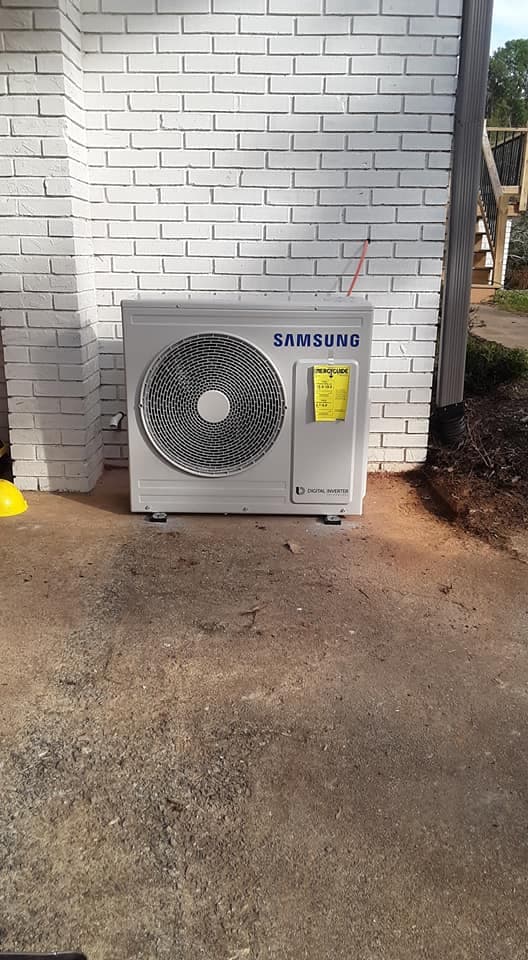
Duct Leakage — The Efficiency Problem Hiding in Your Crawl Space
The system is 18 SEER. The house performs like it's 11.
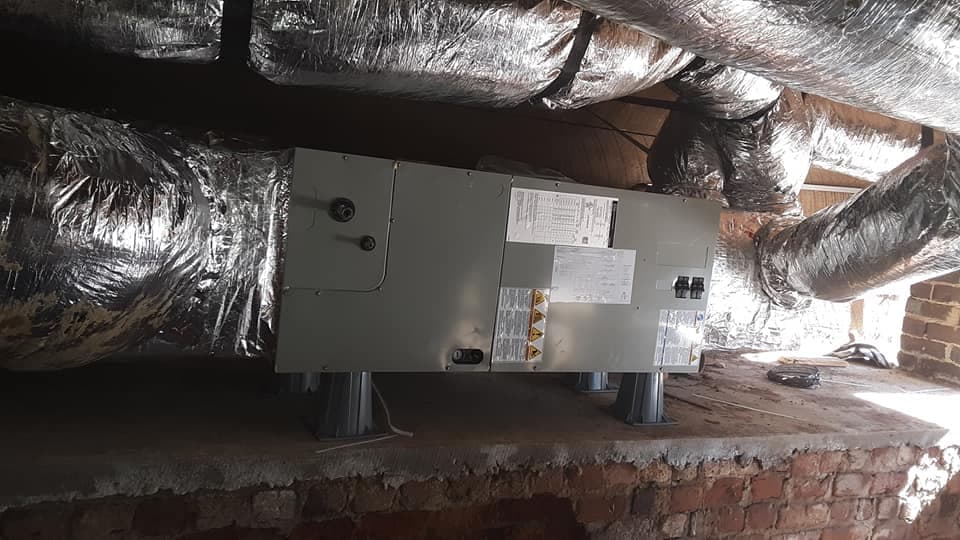
How Refrigerant Actually Works — Explained for People Who Don't Care About Refrigerant
She wanted to understand it. Most people don't ask.
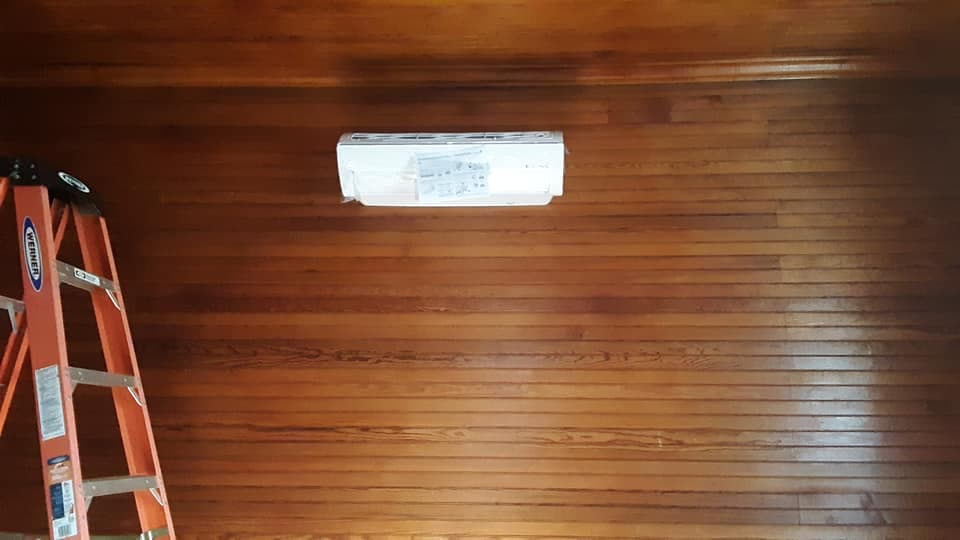
The Tighter the House, the More Important Ventilation Becomes
The house was perfectly built. That was the problem.