

Hendersonville, NC HVAC — Apple Country Has a Climate of Its Own
She moved to Hendersonville for the retirement she'd planned since she was forty. The mild climate. The apple orchards. The Main Street she'd visited once on a fall festival trip and decided, standing there eating a cider doughnut, was where she wanted to be.
The climate was milder than coastal Virginia. But it was not mild the way she'd imagined. The first January was real. The second January she was ready. The HVAC system in her house had already been assessed, the ductwork corrected, the backup heat staging set properly. She didn't think much about it. The house was warm.
Hendersonville is the seat of Henderson County, sitting at around 2,200 feet in a gently rolling agricultural landscape that has grown apples for over a century. The fruit-growing heritage of the region is not incidental — apple orchards require specific conditions, including enough cold-degree days to meet dormancy requirements and a late-frost risk that shapes the entire growing calendar. The same climate that suits apples also means Hendersonville's winters are colder and longer than many new residents expect from a western North Carolina retirement destination.
The summer climate is genuinely pleasant — lower humidity than the piedmont, rarely reaching extreme heat, often fifteen degrees cooler than Charlotte on the same July afternoon. That mild summer can lead to under-sizing of cooling systems, particularly for older homes where the original calculation assumed even milder conditions. When Henderson County does have a heat event — and they happen — an undersized system in an older home with poor insulation will struggle.
Main Street Hendersonville and the older residential neighborhoods radiating from downtown contain a mix of late-nineteenth and early-twentieth-century construction: larger Victorian and Craftsman-era homes with high ceilings, original window openings, and retrofit HVAC that was designed for the era in which it was installed. Multiple layers of updates — from original gravity furnace to electric furnace to heat pump — can leave a building with ductwork that no longer matches any single system's requirements.
The newer suburban developments that have expanded to the north and east of the historic core represent a different kind of work: better-insulated envelopes, modern ductwork, but sometimes generic system selection that didn't account for Henderson County's actual heating design temperatures. Below-20-degree winter nights happen in Hendersonville. A heat pump's supplemental heat stage must be sized for that.
The retirement community character of Hendersonville means we often work with homeowners who are on fixed incomes and need honest guidance on repair vs. replace decisions and realistic expectations about system longevity. We try to give people the same assessment we'd give family.
We serve Hendersonville and all of Henderson County. We're out this way regularly.
We come out. We look at what's there. We tell you what it costs. No pressure.
Hendersonville, NC — Climate & HVAC Data
- Elevation: 2,150 ft
- Average January low: 27°F
- Average July high: 85°F
- Heating degree days: 4,097/year
- Cooling degree days: 948/year
- Reference weather station: Hendersonville 1 NE (USC00313976)
- From our shop: 26 miles / about 35 minutes via I-26 South
What That Means for Your System
Hendersonville is the Henderson County seat, sitting on a broad plateau in the French Broad River basin. The more open terrain and slightly lower elevation produce one of the mildest climates in WNC. With 59 inches of annual precipitation and only about 7 inches of snow, Hendersonville has less severe winters than mountain valley towns. This is apple orchard country — the temperate growing conditions tell you something about the climate.
Hendersonville has the lowest heating degree days (4,097) and highest cooling degree days (948) of any town in our extended service area. That means slightly lower heating costs but higher summer cooling demand. The open plateau setting gets more direct sun exposure than valley towns, which increases summer heat gain — proper roof insulation and window orientation matter more here.
Common HVAC Issues We See Here
- Higher cooling demand (948 CDD) than mountain towns — AC sizing and efficiency ratings matter more here
- Open plateau with more direct solar exposure increasing summer heat gain through roofs and west-facing windows
- Retirement community homes with specific comfort requirements — consistent temperature control is a priority
- Moderate climate means heat pumps perform well year-round — fewer auxiliary heat concerns than higher-elevation towns
Service Details
- Response time: 26 miles / about 35 minutes via I-26 South
- Service area coverage: All of Hendersonville, Laurel Park, Mountain Home, Dana, Etowah
- Service type: Installation, repair, and maintenance — all makes and models
Call 828-774-8614 or book online. No pressure, no upsells — just honest answers from a local team that knows this area.

About the Author
Vadim Melnic
Owner & Lead Technician, Fair Air Heating & Cooling·
EPA Section 608 Certified
Vadim has been serving the Asheville area since 2018, specializing in residential HVAC installation, service, and indoor air quality solutions. He founded Fair Air with a simple commitment: honest pricing, quality workmanship, and treating every home like his own.
Keep Reading
Related Articles
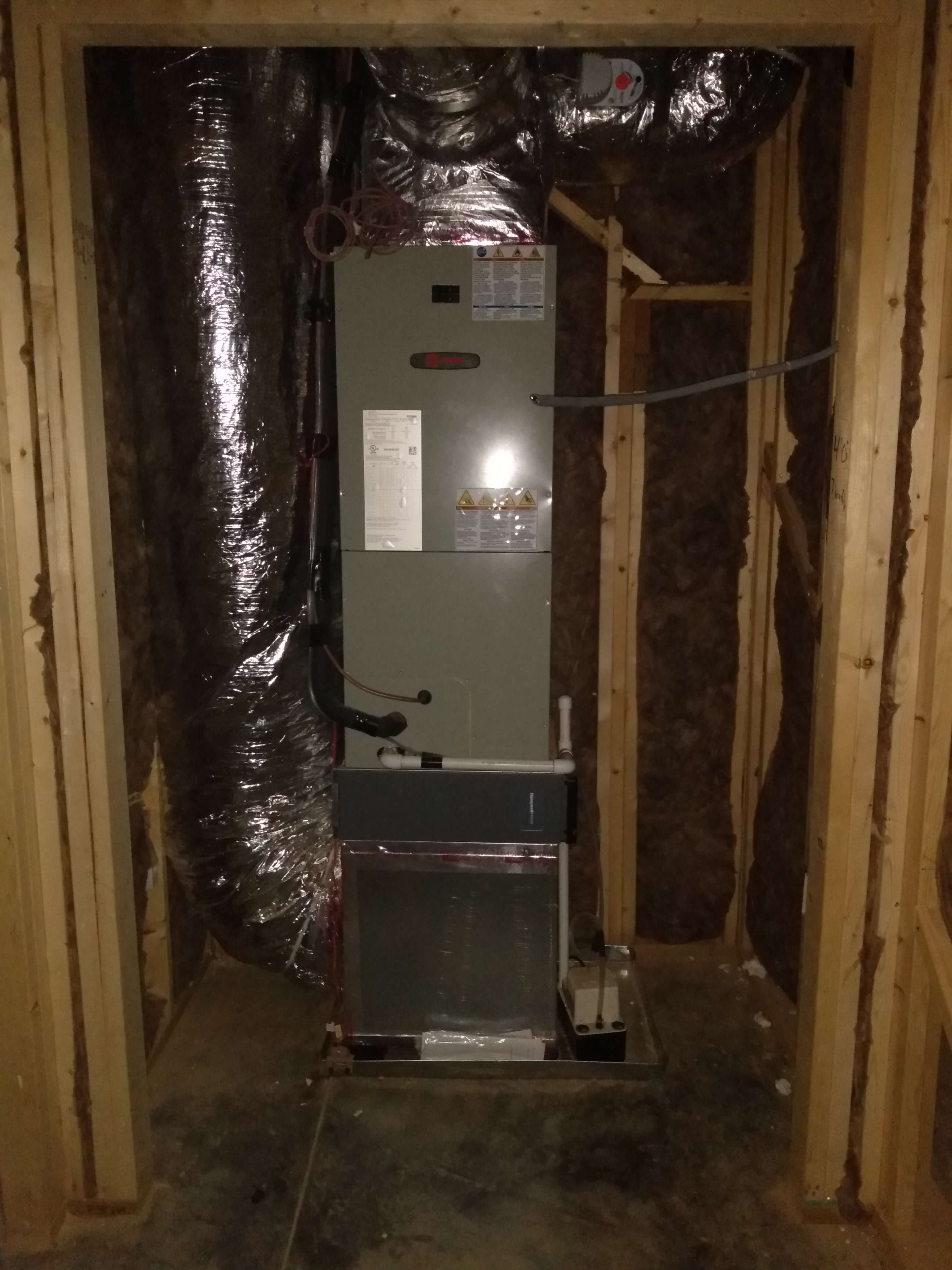
What a Proper HVAC Installation Actually Looks Like — Step by Step
Most people aren't in the room when their HVAC gets installed. They sign the contract, go to work, and come home to a system that either performs correctly or doesn't — and if it doesn't, they usually don't know what was skipped.
The Shoulder Season Problem — When WNC Can't Decide What Month It Is
They don't argue about the thermostat in July. In July the answer is obvious. They argue about it in October, when it's 68° by noon and 41° by midnight and whatever they set at 7 AM is wrong by 4 PM.
Pollen Season in WNC — What It Does to Your Filter and Your System
The filter was only six weeks old. He pulled it out and held it up to the light coming through the kitchen window. No light came through.