

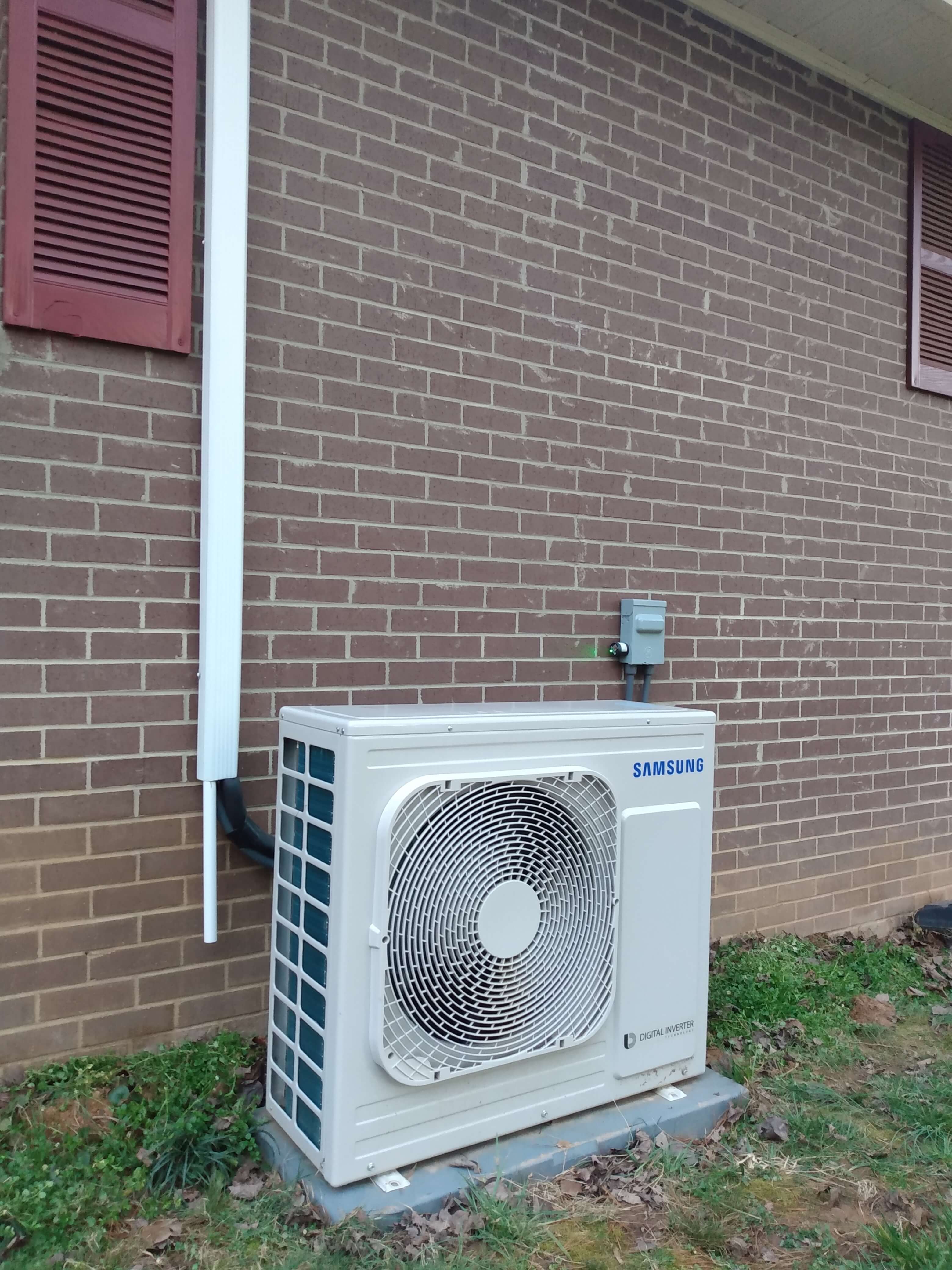
Two-Zone HVAC in a Mountain Home — Is It Worth It?
They'd set the thermostat at 70 for ten years. One of them had been too hot, one too cold, for all of it.
A two-zone system would let each floor hold its own temperature. That's not a complicated concept — it's just rarely discussed in the context of an existing house. Most homeowners assume zoning is something you plan in new construction, that retrofitting it is either impossible or prohibitively expensive. Neither is quite right.
The house is a two-story craftsman in Weaverville — living room, kitchen, and a home office on the ground floor; three bedrooms upstairs. Heat rises. In winter, the upstairs is warmer than the downstairs, often by six to eight degrees. The thermostat is on the first floor, so the system runs until that floor is satisfied, which means the bedrooms are already warm by the time the call for heat ends. In summer it flips: cold air settles low, the second floor gets warm, and one person sleeps under a fan while the other piles on blankets.
One thermostat. Two genuinely different environments. A decade of compromise on a number that was wrong for half the house every day it was set.
Zoning solves this by splitting the duct system into independently controlled sections. Each zone has its own thermostat and its own motorized damper installed in the ductwork. When zone one calls for conditioned air and zone two doesn't, the damper for zone two closes and all airflow goes to zone one. A zone controller board reads both thermostats and coordinates the calls. The air handler and outdoor unit remain single systems — you're not installing two separate units, just dividing where the air goes.
The cost to retrofit zoning into an existing two-story home typically runs between $2,500 and $4,500 depending on duct layout, how many zones, and how accessible the ductwork is. In a WNC home with a crawl space and accessible duct runs, the labor is often straightforward. In a house with ductwork buried in finished soffits or a second-floor ceiling, it's more involved.
There's a secondary consideration: a two-zone system that closes one zone completely can create a static pressure problem if the air handler isn't set up to handle it. This is why zoning should be installed with a bypass damper or a variable-speed air handler that can modulate output based on demand. A contractor who just installs dampers without addressing static pressure is setting up a system that works against itself. That's the detail most homeowners don't know to ask about, and it's where cheap zoning installations create new problems.
Is it worth it? For a two-story home where the temperature differential is real and consistent — and in WNC, with the heating load bias in winter and the heat-rise issue in summer, it almost always is — the answer is yes if the ductwork is accessible and the air handler can support it. For a single-story home with minor temperature variation between rooms, a zoning retrofit is probably not the right investment. A more careful duct balance or a duct adjustment might accomplish more for less.
For this homeowner: the ductwork was accessible. The air handler was a variable-speed unit with capacity to handle zone control. The cost was at the lower end of the range.
What it costs. Whether the math makes sense for your house. That's the honest answer, and it starts with someone looking at your specific system.

About the Author
Vadim Melnic
Owner & Lead Technician, Fair Air Heating & Cooling·
EPA Section 608 Certified
Vadim has been serving the Asheville area since 2018, specializing in residential HVAC installation, service, and indoor air quality solutions. He founded Fair Air with a simple commitment: honest pricing, quality workmanship, and treating every home like his own.
Keep Reading
Related Articles
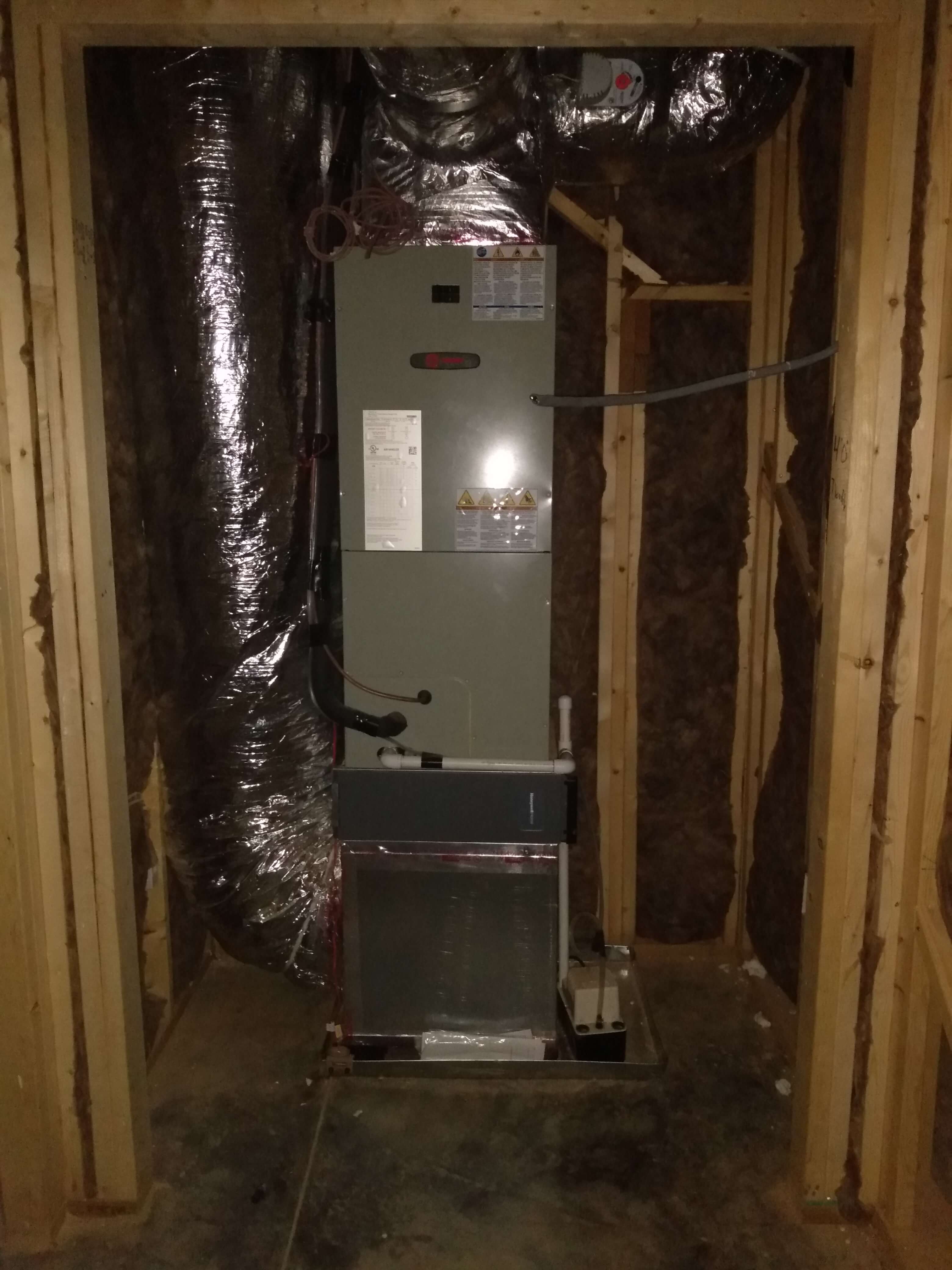
What a Proper HVAC Installation Actually Looks Like — Step by Step
Most people aren't in the room when their HVAC gets installed. They sign the contract, go to work, and come home to a system that either performs correctly or doesn't — and if it doesn't, they usually don't know what was skipped.
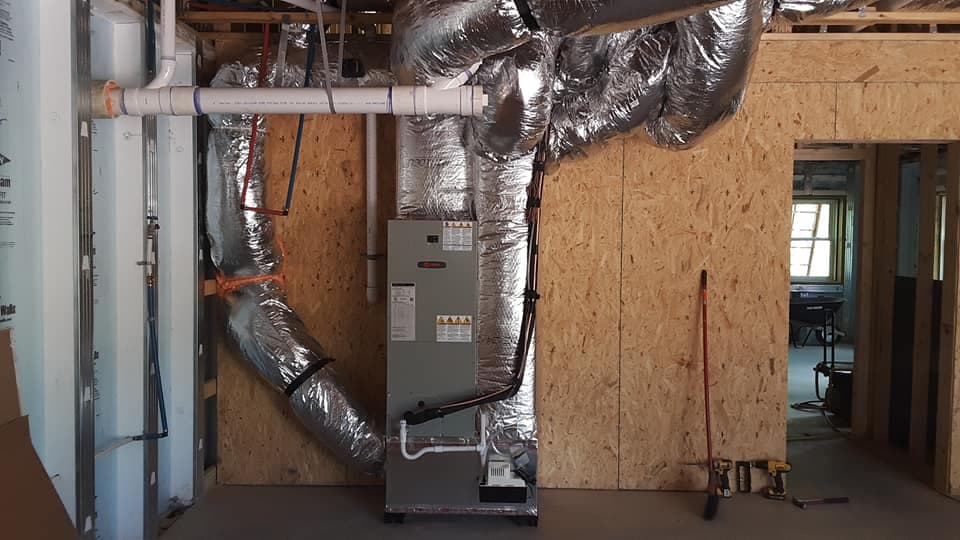
The Shoulder Season Problem — When WNC Can't Decide What Month It Is
They don't argue about the thermostat in July. In July the answer is obvious. They argue about it in October, when it's 68° by noon and 41° by midnight and whatever they set at 7 AM is wrong by 4 PM.
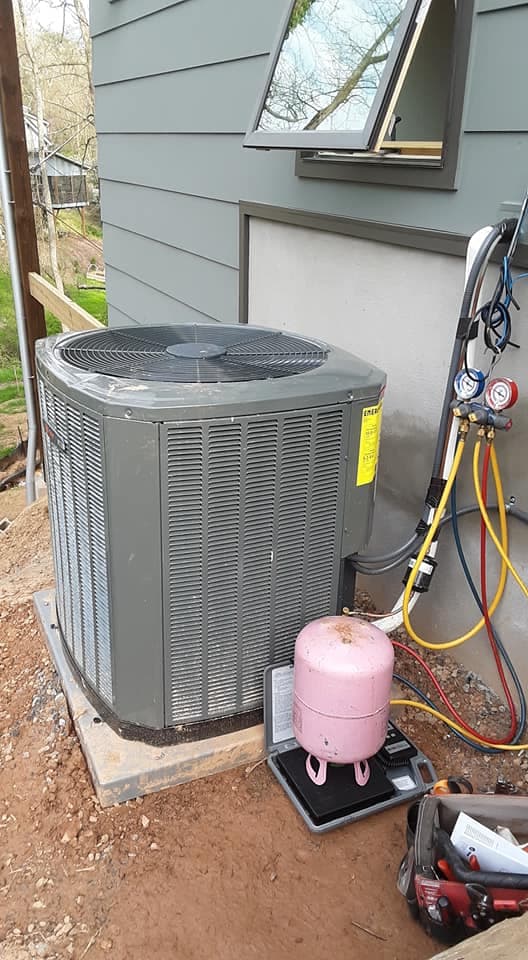
Pollen Season in WNC — What It Does to Your Filter and Your System
The filter was only six weeks old. He pulled it out and held it up to the light coming through the kitchen window. No light came through.