

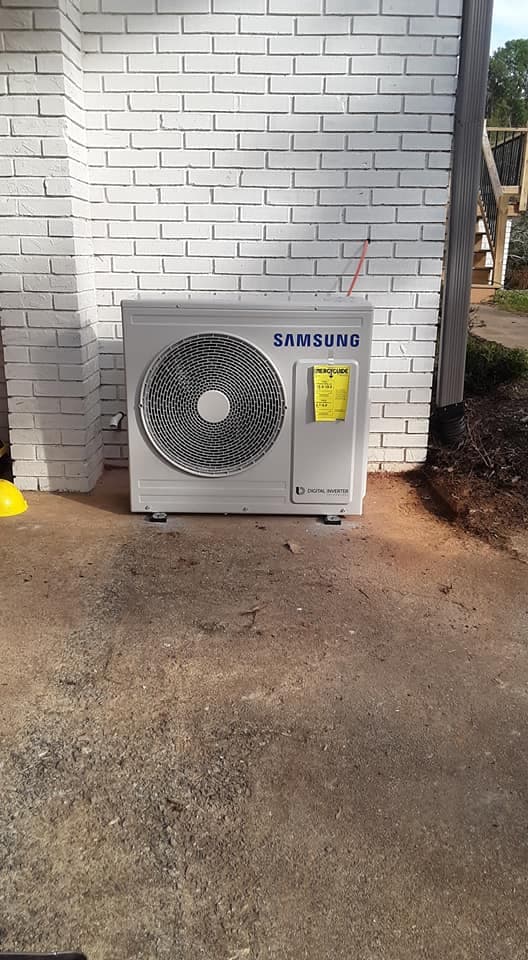
Heat Pumps in January — What the Manual Doesn't Say
Nothing was wrong with the system.
That's the answer we gave her, which is not a sentence we give lightly. It's also not a sentence that earns us anything. She called in January, convinced her heat pump was broken, and we told her it wasn't. No service call. No invoice. Just an explanation of what she was experiencing and why it was correct.
She was a homeowner in a WNC mountain community. Heat pump installed the previous fall — new construction, good equipment, proper installation. First real winter with the system. She'd called the installer first. They'd been too busy to explain it and told her to call if it got worse.
She called us.
The air coming from her vents was 80 degrees. She expected 95 or higher — the kind of heat that feels like heat, the way a gas furnace feels when it's running hard. 80 degrees was warm but not satisfying. And the system was making a sound outside she didn't recognize — a fan running, a hum, and then periodic cycles where the outdoor unit seemed to pause and the indoor unit blew what felt like cool air for a few minutes before recovering.
22 degrees outside. Everything she described was the system working exactly as designed.
Heat pumps move heat rather than generate it. At moderate temperatures, they do this extremely efficiently — moving three or four units of heat energy for every unit of electrical energy consumed. But heat pumps have a balance point: a temperature, typically between 25 and 40 degrees depending on the equipment, at which the outdoor heat available to extract drops enough that the system's efficiency declines significantly.
Below the balance point, the system shifts to auxiliary electric heat — resistance heating coils in the air handler that are less efficient but reliable. The transition doesn't feel dramatic. Supply air temperature is lower than a gas furnace. But the house holds temperature.
The defrost cycle is the other piece. When the outdoor coil is below freezing and pulling heat from the air, frost accumulates on the coil surface. Periodically — every 30 to 90 minutes — the system reverses to briefly melt the frost. During defrost, the indoor unit blows slightly cooler air. A few minutes, then it recovers.
She was experiencing the defrost cycle followed by auxiliary heat engagement. Both correct. Both normal.
We walked her through it on the phone. She asked clarifying questions. She said "oh" when it clicked.
She didn't need a service call. She needed an explanation.
That's what we gave her.

About the Author
Vadim Melnic
Owner & Lead Technician, Fair Air Heating & Cooling·
EPA Section 608 Certified
Vadim has been serving the Asheville area since 2018, specializing in residential HVAC installation, service, and indoor air quality solutions. He founded Fair Air with a simple commitment: honest pricing, quality workmanship, and treating every home like his own.
Keep Reading
Related Articles
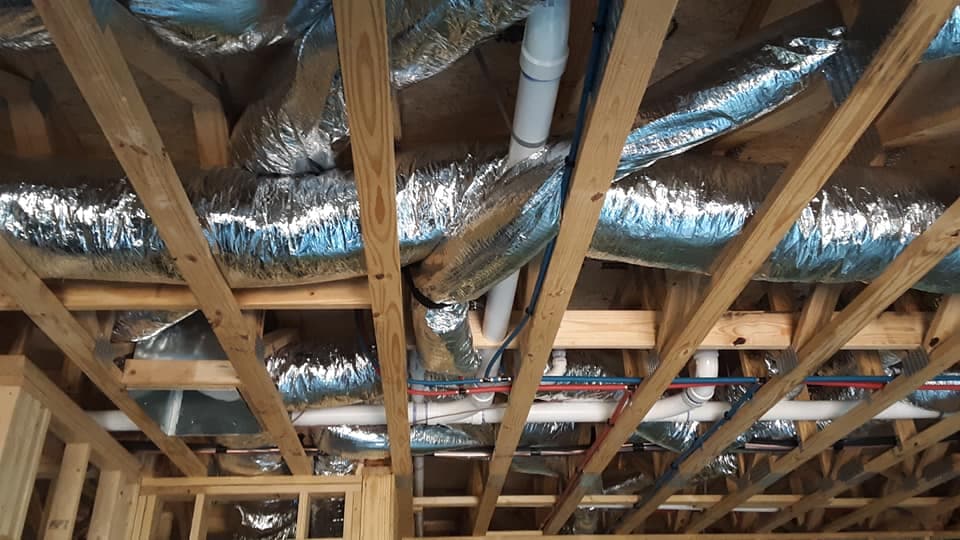
Your Heat Just Went Out on a WNC Winter Night — Here's What to Do
He fixed it himself. It was 10:30 PM, 17°F outside, and his heat had stopped. He fixed it in four minutes and didn't call anyone.
Preparing Your WNC Mountain Cabin for Winter — Before You Leave It Empty
The pipes didn't freeze. The system came back in spring exactly as it had been left. The cabin was ready for the first guests of the season in early April without an emergency call, a remediation company, or a plumber trying to explain where to find the water shutoff in a house...
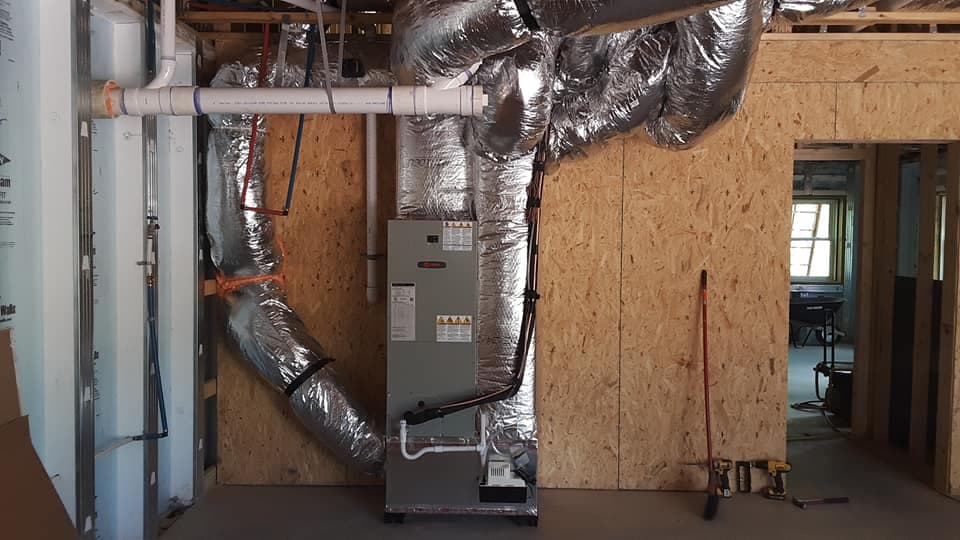
The Shoulder Season Problem — When WNC Can't Decide What Month It Is
They don't argue about the thermostat in July. In July the answer is obvious. They argue about it in October, when it's 68° by noon and 41° by midnight and whatever they set at 7 AM is wrong by 4 PM.