

The Leicester Ridge Home That Was Always 5 Degrees Colder Than It Should Be
In January, that house is cold. Not broken-cold. Just cold enough to be miserable — the particular cold that comes in through old windows and settles into floors and makes you reach for another layer even when the thermostat says you shouldn't have to.
The homeowner had learned to manage it. Extra blankets. A space heater in the bedroom. Sweaters at the kitchen table. He'd been in that house for twelve years and had come to think of it as just the way things were on a ridge in Leicester.
The first winter with the correctly sized system, he didn't need the space heater. He mentioned it to us like it was a remarkable thing. It wasn't remarkable to us — it was just what should have been true all along.
Leicester sits about ten miles northwest of Asheville, scattered across a stretch of ridges and hollows that most Buncombe County residents drive past on their way to somewhere else. It's unincorporated, quiet, and at elevation that ranges considerably depending on whether you're in the valley along the French Broad or up on one of the ridges with a view of the Blue Ridge escarpment to the northwest. Some properties up there are genuinely exposed — the kind of site that takes the full force of whatever cold front is moving through the region.
This house was on a ridge like that. Northwest-facing. Elevation well above the valley floor. Beautiful lot. A view that on a clear day reached toward Tennessee. The kind of place someone buys because of how it sits in the landscape.
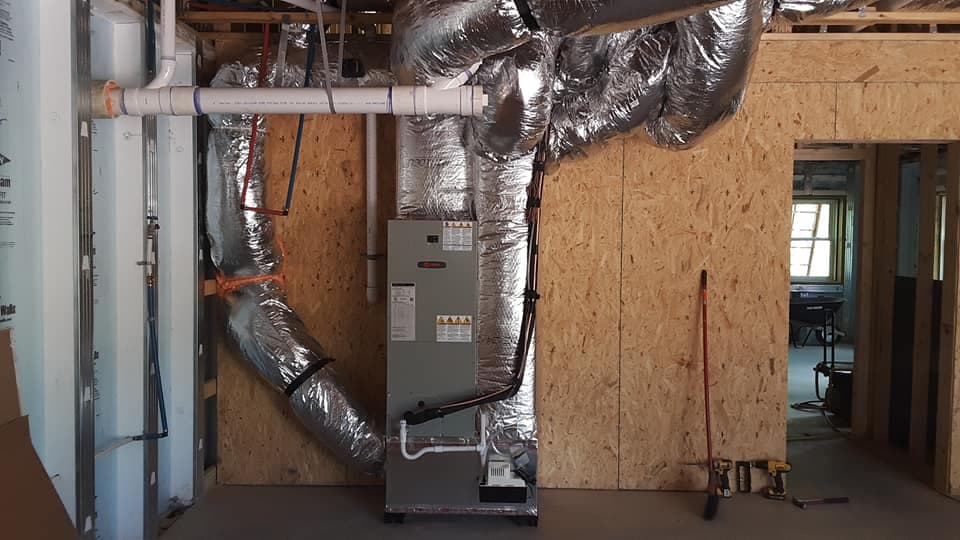
The HVAC system had been installed by the previous owners. It was sized correctly — for a different house. The load calculation used in the original design appears to have been based on standard Buncombe County inputs: an average home, average elevation, average exposure. For a house in a valley, or on a site with natural windbreak, those numbers would be fine. For a northwest-facing ridge property at this elevation, they were wrong.
The problem with using average county data for a site like this is what happens at the margins. An average calculation handles an average winter. When a January cold snap comes through and outdoor temperatures drop into the teens and the northwest wind is pushing across that ridge, the heat loss through the building envelope accelerates. A correctly sized system for an average site gets overwhelmed. The house drops 5 degrees. The thermostat calls for heat continuously. The system runs without stopping and still can't keep up.
We did a site-specific load calculation. That means accounting for the actual orientation of the building, the actual elevation, the actual wind exposure, and the actual window area on each face of the building. Northwest-facing glass on an exposed ridge loses heat at a rate that a standard calculation understimates. We measured. We ran the numbers specific to where the house is.
The new system was sized for where the house actually sits — not where a calculator assumed it was.

About the Author
Vadim Melnic
Owner & Lead Technician, Fair Air Heating & Cooling·
EPA Section 608 Certified
Vadim has been serving the Asheville area since 2018, specializing in residential HVAC installation, service, and indoor air quality solutions. He founded Fair Air with a simple commitment: honest pricing, quality workmanship, and treating every home like his own.
Keep Reading
Related Articles
Your Heat Just Went Out on a WNC Winter Night — Here's What to Do
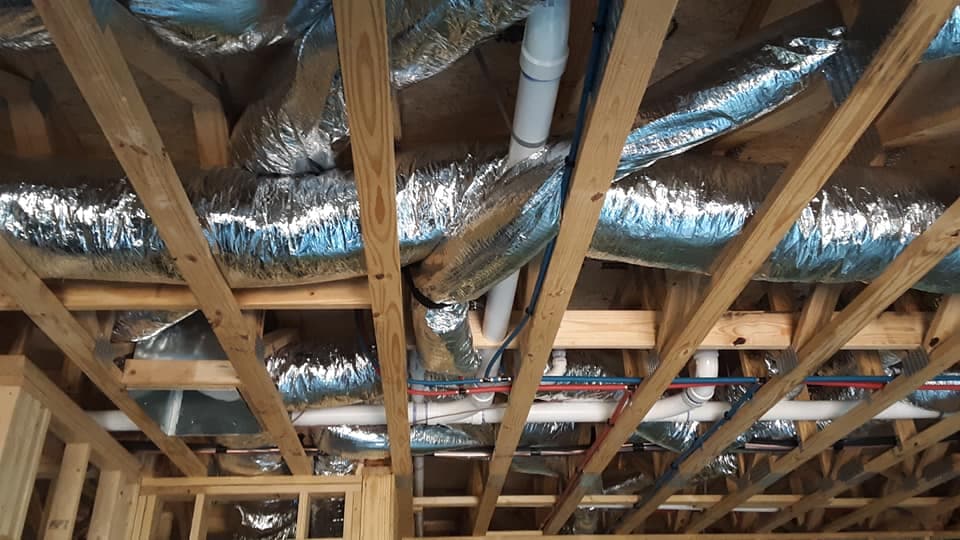
He fixed it himself. It was 10:30 PM, 17°F outside, and his heat had stopped. He fixed it in four minutes and didn't call anyone.
Preparing Your WNC Mountain Cabin for Winter — Before You Leave It Empty
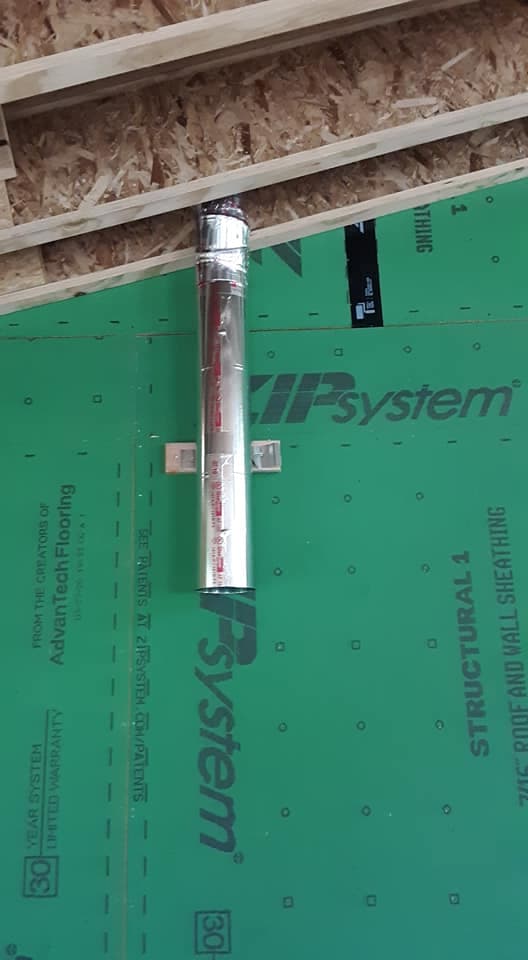
The pipes didn't freeze. The system came back in spring exactly as it had been left. The cabin was ready for the first guests of the season in early April without an emergency call, a remediation company, or a plumber trying to explain where to find the water shutoff in a house...
The Shoulder Season Problem — When WNC Can't Decide What Month It Is
They don't argue about the thermostat in July. In July the answer is obvious. They argue about it in October, when it's 68° by noon and 41° by midnight and whatever they set at 7 AM is wrong by 4 PM.