

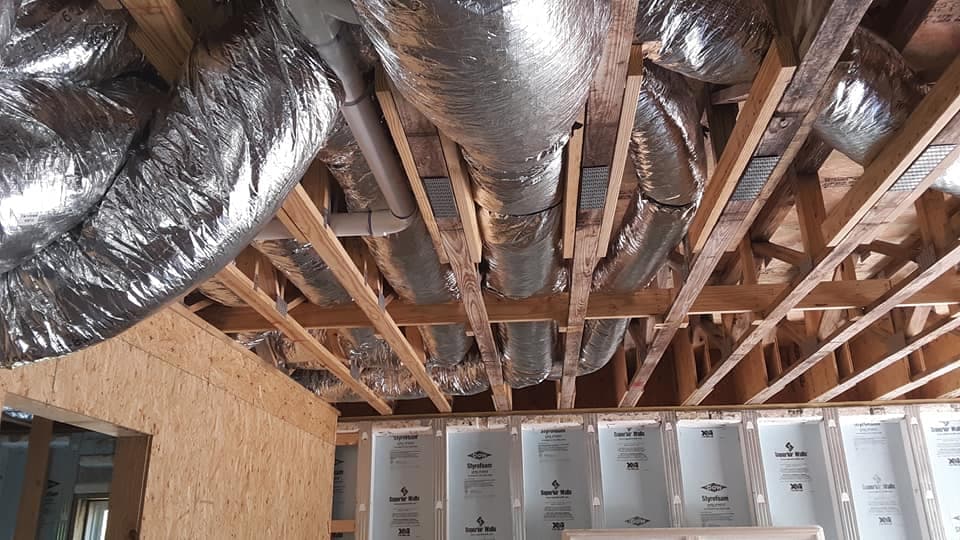
The Condenser Nobody Walked Around to Check
You have to walk around the unit. That's the whole diagnosis.
Not all of it — but more of it than most people think. Before you hook up gauges, before you check refrigerant, before you pull the disconnect and start probing terminals, you walk around the unit. All the way around. You look at all four sides.
A homeowner in Western North Carolina had called two different HVAC companies that summer. Both came out. Both charged her $150. Neither one fixed the problem. She was still running the system all day and coming home to a house that was 80 degrees. By the time she called us she was frustrated in the specific way people get when they've already spent money and have nothing to show for it.
What the previous technicians did: checked the refrigerant charge, checked electrical, decided the system was operating within spec, collected payment, left. On paper, that's a reasonable diagnostic sequence. In practice, it missed the problem entirely.
The condenser was positioned along the side of the house with the front face — the service panel side — visible from the driveway and the patio. That's the side you see when you walk up. That's the side both technicians checked. It looked fine. A little dusty, some leaf debris at the base, nothing alarming.
The back of the unit faced the property line, up against a row of cottonwood trees. We walked around.
The back coil face was packed solid. Not lightly coated. Not partially clogged. Packed — a dense mat of white cottonwood fiber pressed flat against the fins, covering the entire back surface from ground level to the top of the cabinet. When cottonwood seeds travel on a breeze and find something to land on, they accumulate the way snow does: layer by layer, compressing over time. The airflow through that coil was nearly zero. The unit was trying to reject heat into ambient air, but the condenser couldn't pull ambient air through — it was working against a wall of fiber.
A condenser in that condition runs hot. The refrigerant returning from the condenser coil is still warm. Pressures run high. The compressor works harder. The whole system becomes inefficient in a way that looks, on a gauge manifold, like a refrigerant problem or an overcharge — not like a blocked coil, because you can't see the blockage without looking at the right side of the unit.
We cleaned it by hand. A soft brush, a coil cleaner, a garden hose. It took about 45 minutes. The fiber came off in sheets. By the time we rinsed the coil and let the water clear, you could see straight through the fins.
We didn't charge her extra for the time. The diagnostic fee covered it.
The system cooled. Immediately. That afternoon.

About the Author
Vadim Melnic
Owner & Lead Technician, Fair Air Heating & Cooling·
EPA Section 608 Certified
Vadim has been serving the Asheville area since 2018, specializing in residential HVAC installation, service, and indoor air quality solutions. He founded Fair Air with a simple commitment: honest pricing, quality workmanship, and treating every home like his own.
Keep Reading
Related Articles
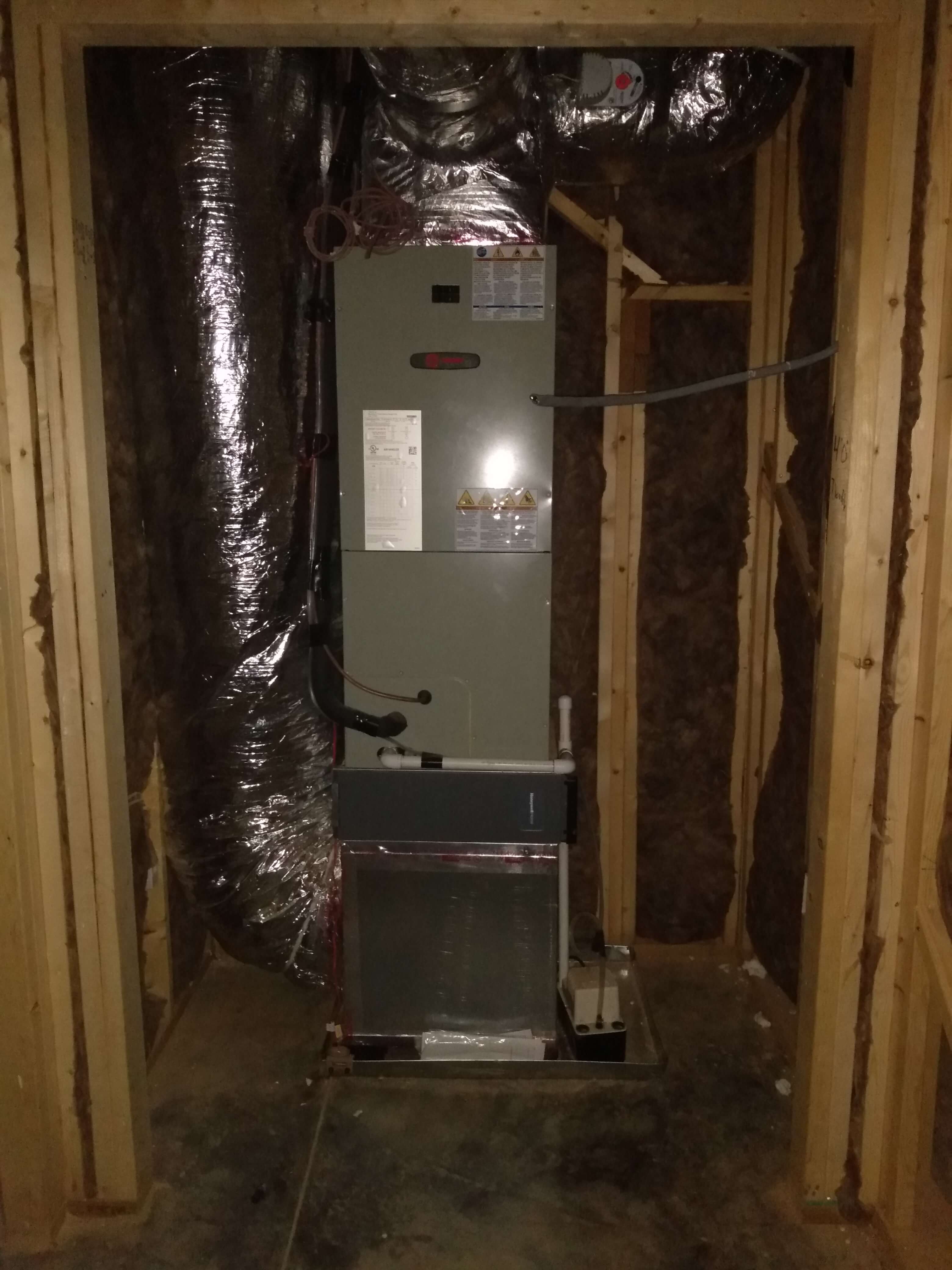
What a Proper HVAC Installation Actually Looks Like — Step by Step
Most people aren't in the room when their HVAC gets installed. They sign the contract, go to work, and come home to a system that either performs correctly or doesn't — and if it doesn't, they usually don't know what was skipped.
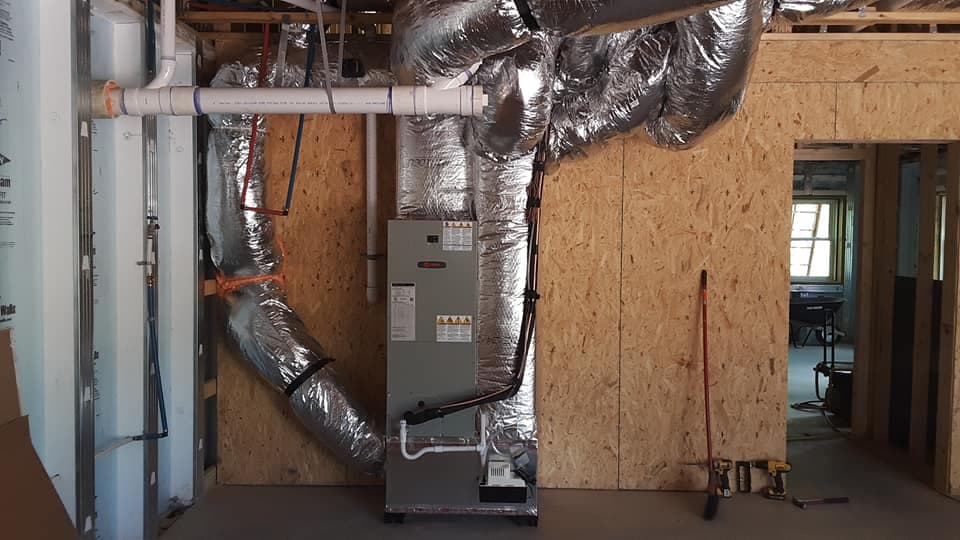
The Shoulder Season Problem — When WNC Can't Decide What Month It Is
They don't argue about the thermostat in July. In July the answer is obvious. They argue about it in October, when it's 68° by noon and 41° by midnight and whatever they set at 7 AM is wrong by 4 PM.
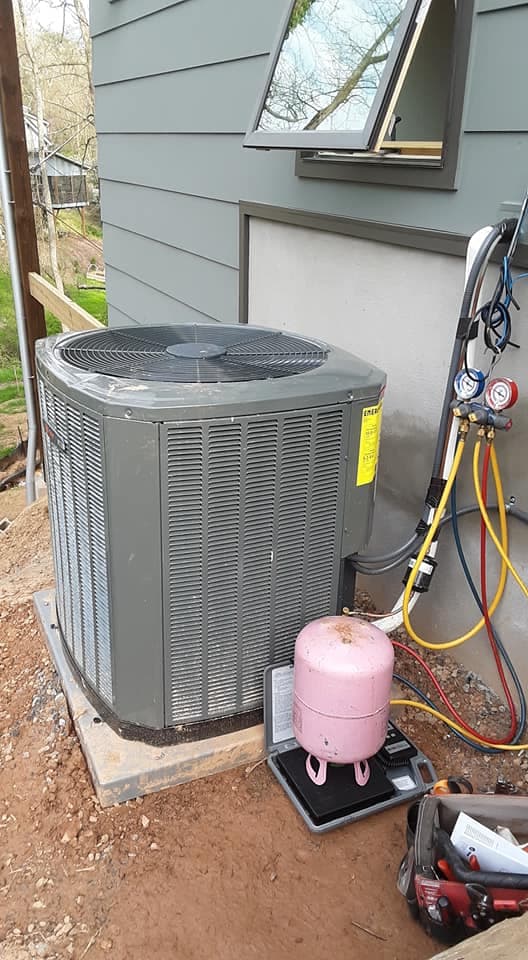
Pollen Season in WNC — What It Does to Your Filter and Your System
The filter was only six weeks old. He pulled it out and held it up to the light coming through the kitchen window. No light came through.