

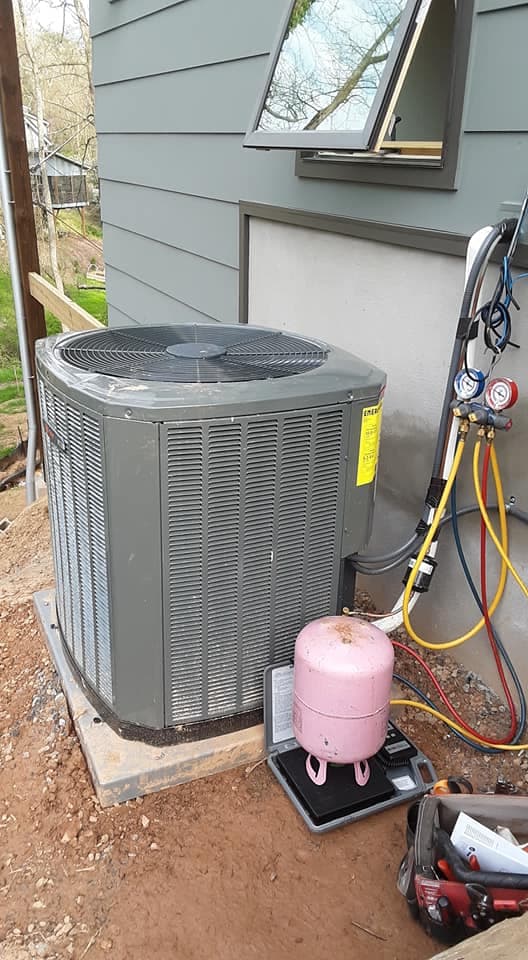
The Repair That Saved a $6,000 Replacement
The compressor was fine. Had been all along.
The hard start kit was never there. The capacitor was dead. Without those two things working together, a compressor that's perfectly healthy looks, on the surface, exactly like one that isn't.
A homeowner west of Asheville called us for a second opinion. She had a quote on the table — full system replacement, $6,000. The other company had told her the compressor had failed. She wasn't sure she believed it, or maybe she just wasn't sure she could afford not to question it. She found us, called us, and asked if we'd come look.
We did.
She'd been managing without AC for most of a Western North Carolina summer. She'd set up a box fan in the bedroom window and told herself it was fine. When we pulled up, the unit was sitting there looking normal. No obvious damage. No burning smell. Nothing corroded on the exterior.
We hooked up the gauges. We checked voltage and amperage at startup. The compressor was pulling hard — struggling at the moment of ignition, drawing more current than it should, tripping the overload protection almost immediately. From the outside, that reads as a failed compressor. Pull the meter readings fast and leave, and you'd write the same ticket the other company wrote.
But a compressor struggling to start isn't the same as a compressor that's dead. Starting a scroll or reciprocating compressor is the hardest moment in the refrigeration cycle. It takes a spike of electrical energy to overcome the standing pressure in the system and get the motor turning. A run capacitor helps maintain the motor during operation. A hard start kit — a start capacitor and relay — gives the compressor that initial kick it needs to get turning. Without it, especially on an older system where the capacitor has weakened, the compressor strains every single time it cycles on.
The original capacitor had drifted well below its rated microfarad value. It was still partially functional, which is almost worse — it provided just enough support to make the system seem like it was trying, without ever providing enough to let it succeed. The hard start kit had never been installed at all. This unit had been fighting that start cycle for years.
We explained what we found. Showed her the capacitor readings. Explained how a hard start kit works. She asked the question anyone would ask: why didn't the other company find this? We don't have a good answer for that. We know what we found.
The capacitor came off the truck. The hard start kit came off the truck. Total parts cost was under $180. We wired everything in, verified the startup amperage, let the system run through a full cycle, and watched the pressures stabilize where they should be.
The system ran correctly.
She canceled the replacement quote. She had $6,000 she hadn't spent, and an air conditioner that worked. We checked everything else while we were there — coil condition, refrigerant charge, filter, drain line — and left her a report on what she had and what to watch for as the system aged. Because it is aging. She'll replace it eventually. But not that day.
We installed a $180 part. That was the fix.

About the Author
Vadim Melnic
Owner & Lead Technician, Fair Air Heating & Cooling·
EPA Section 608 Certified
Vadim has been serving the Asheville area since 2018, specializing in residential HVAC installation, service, and indoor air quality solutions. He founded Fair Air with a simple commitment: honest pricing, quality workmanship, and treating every home like his own.
Keep Reading
Related Articles
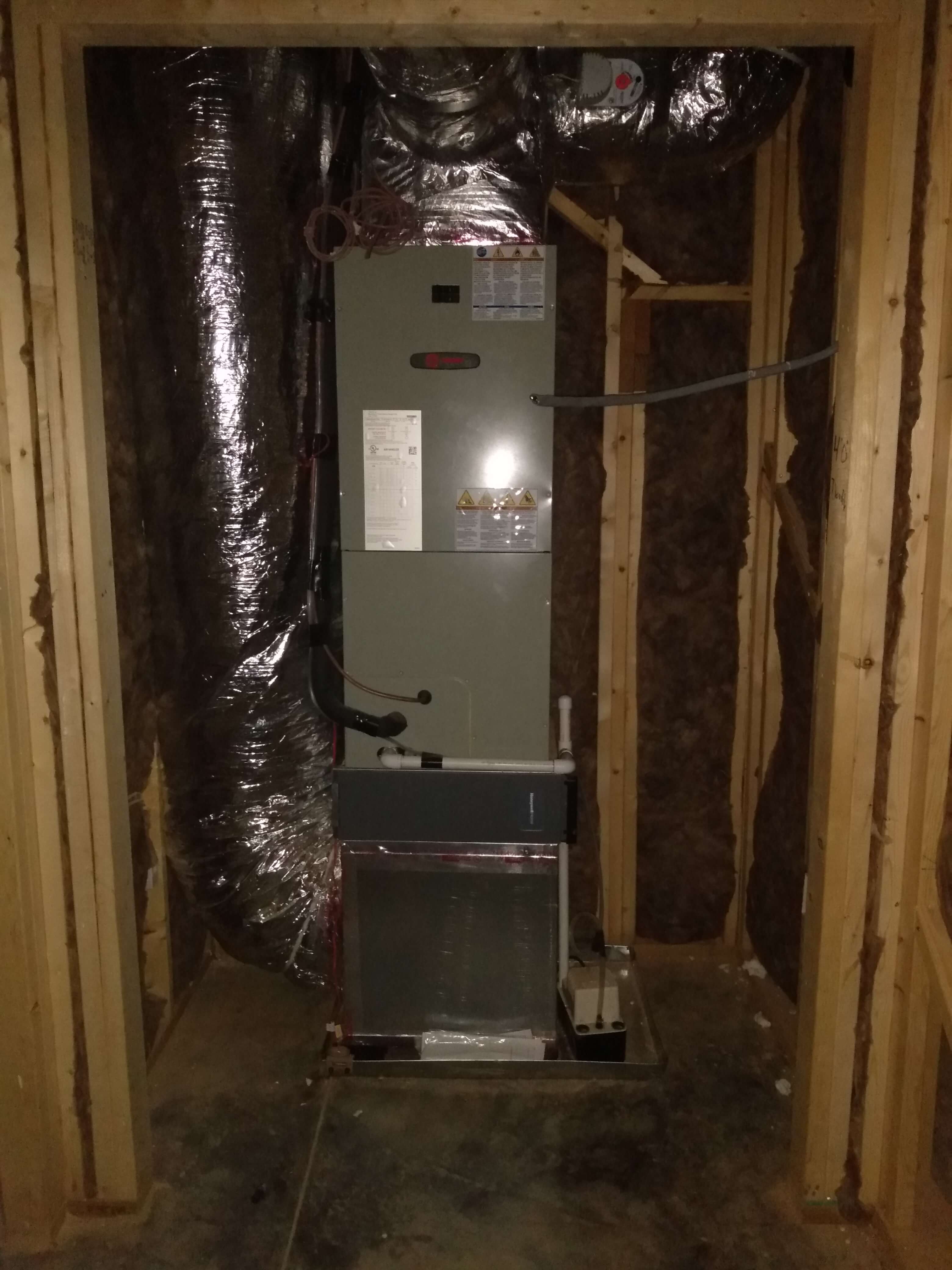
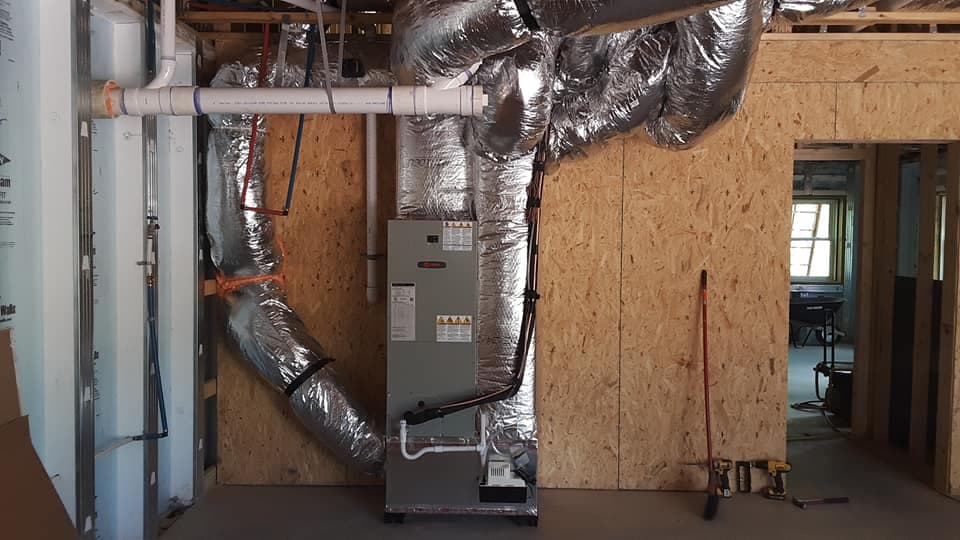
What a Proper HVAC Installation Actually Looks Like — Step by Step
Most people aren't in the room when their HVAC gets installed. They sign the contract, go to work, and come home to a system that either performs correctly or doesn't — and if it doesn't, they usually don't know what was skipped.
The Shoulder Season Problem — When WNC Can't Decide What Month It Is
They don't argue about the thermostat in July. In July the answer is obvious. They argue about it in October, when it's 68° by noon and 41° by midnight and whatever they set at 7 AM is wrong by 4 PM.
Pollen Season in WNC — What It Does to Your Filter and Your System
The filter was only six weeks old. He pulled it out and held it up to the light coming through the kitchen window. No light came through.