

First-Time Homebuyers and the HVAC That Was "Flagged"
"Flagged" means something different in an inspection report than it does in real life.
In an inspection report, "flagged" means: the inspector saw something, noted it, and passed the decision to you. It means the system is aging, or that there's visible wear, or that the inspector doesn't know its service history. It does not mean the system is done. It does not mean replacement is imminent. It means someone checked a box.
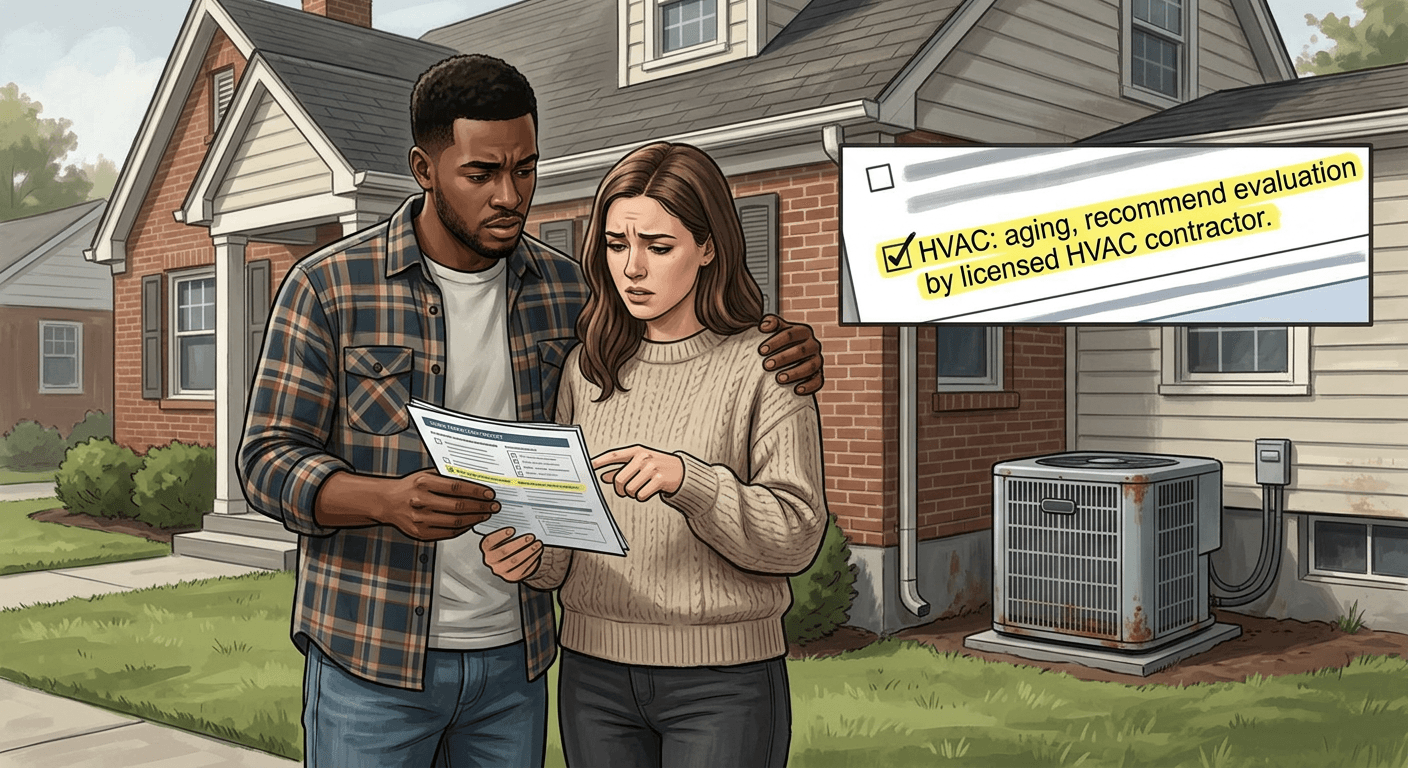
They were first-time buyers. Closed on the house two weeks before they called us. The inspection had a checkbox — "HVAC: aging, recommend evaluation by licensed HVAC contractor" — and they'd been carrying it around like a verdict ever since. They called us a little scared and a lot uncertain, the way people are when they're new to owning something and they don't know what the stakes are yet.
They texted us the day after we came out. Said they felt a lot better.
We walked through the house with them on the first visit. Explained what we were looking at as we went — this is the air handler, this is what the coil looks like when it's clean, this is what we'd be concerned about and this is what we aren't. They asked good questions. They were paying attention.
The system had life left. That was the honest answer, and we gave it to them.
What it also had: a heat exchanger component that showed early fatigue cracking — not a safety event yet, but not something to leave alone. A capacitor that tested at the low edge of its rated range, the kind of reading that means it works now but won't for long. And two duct connections in the crawl that had pulled loose over the years, bleeding conditioned air before it reached the rooms above.
None of that is a new system. All of it is real.
We handled the heat exchanger component, swapped the capacitor, and sealed the duct gaps. One visit. The heat exchanger is the one that mattered most — a cracked heat exchanger left to worsen can eventually allow combustion gases to mix with circulated air. Early stage, it's a repair. Later stage, it's a replacement. They caught it at the right time, which is good for them and was one of the better outcomes we had that month.
The capacitor and the duct gaps were the kind of deferred maintenance that accumulates in any house that's been lived in for years and serviced sporadically. Nothing dramatic. All fixable.
We gave them a clear picture before we left — what we'd done, what to watch for, when to call. They didn't need a warranty or a guarantee. They needed someone to look at what they'd bought and tell them honestly what it was.
What they'd bought was a functional system that needed some attention. What they got was a functional system that had received it.
We walked them through it. That was the work.

About the Author
Vadim Melnic
Owner & Lead Technician, Fair Air Heating & Cooling·
EPA Section 608 Certified
Vadim has been serving the Asheville area since 2018, specializing in residential HVAC installation, service, and indoor air quality solutions. He founded Fair Air with a simple commitment: honest pricing, quality workmanship, and treating every home like his own.
Keep Reading
Related Articles
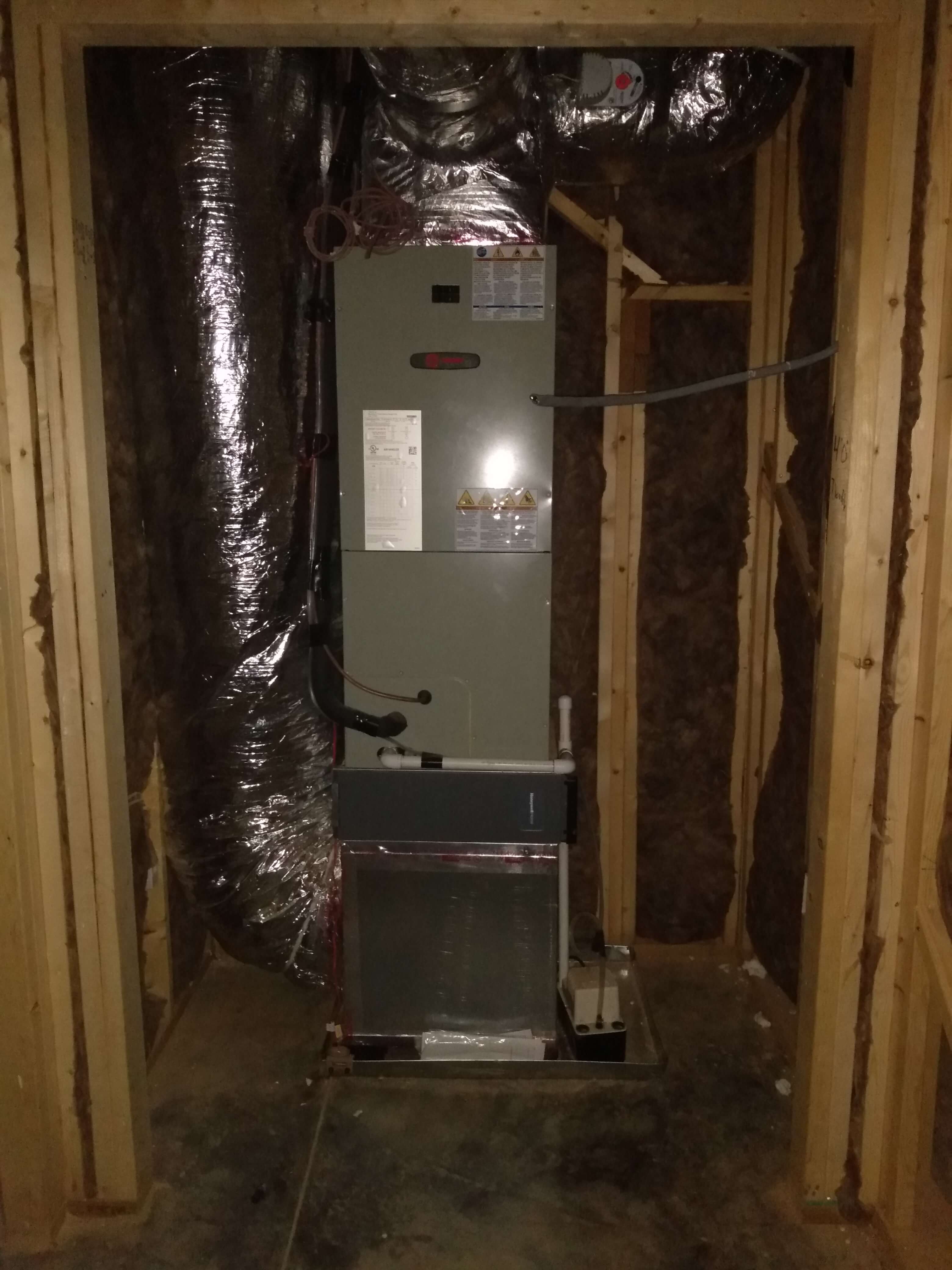
What a Proper HVAC Installation Actually Looks Like — Step by Step
Most people aren't in the room when their HVAC gets installed. They sign the contract, go to work, and come home to a system that either performs correctly or doesn't — and if it doesn't, they usually don't know what was skipped.
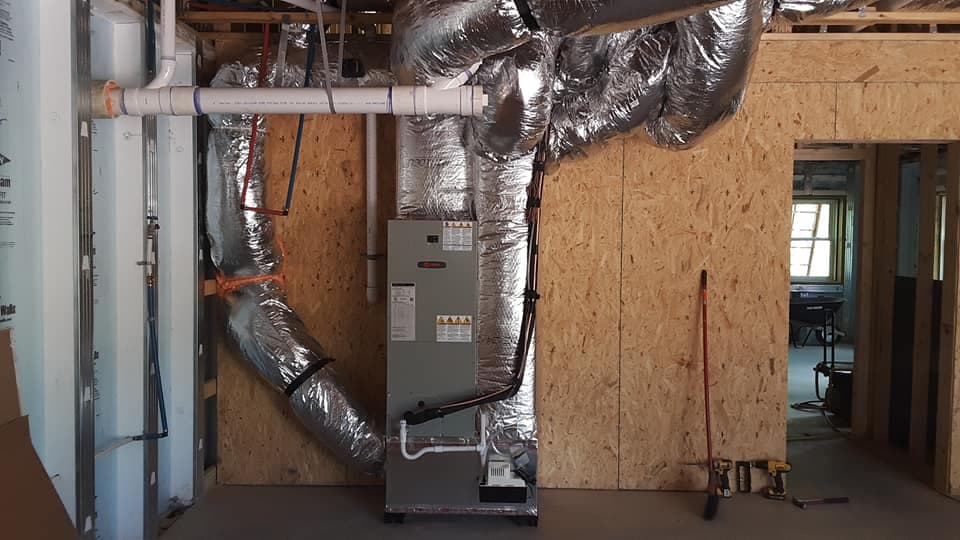
The Shoulder Season Problem — When WNC Can't Decide What Month It Is
They don't argue about the thermostat in July. In July the answer is obvious. They argue about it in October, when it's 68° by noon and 41° by midnight and whatever they set at 7 AM is wrong by 4 PM.
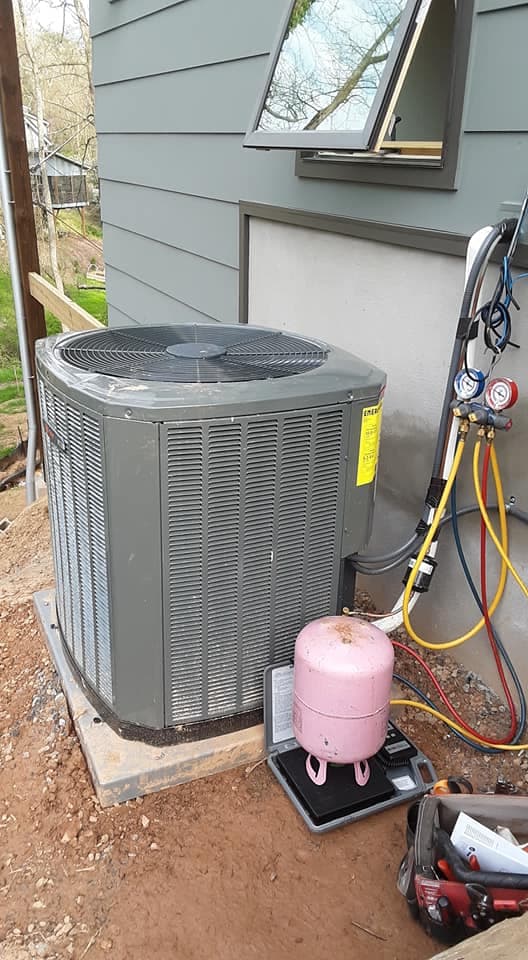
Pollen Season in WNC — What It Does to Your Filter and Your System
The filter was only six weeks old. He pulled it out and held it up to the light coming through the kitchen window. No light came through.