

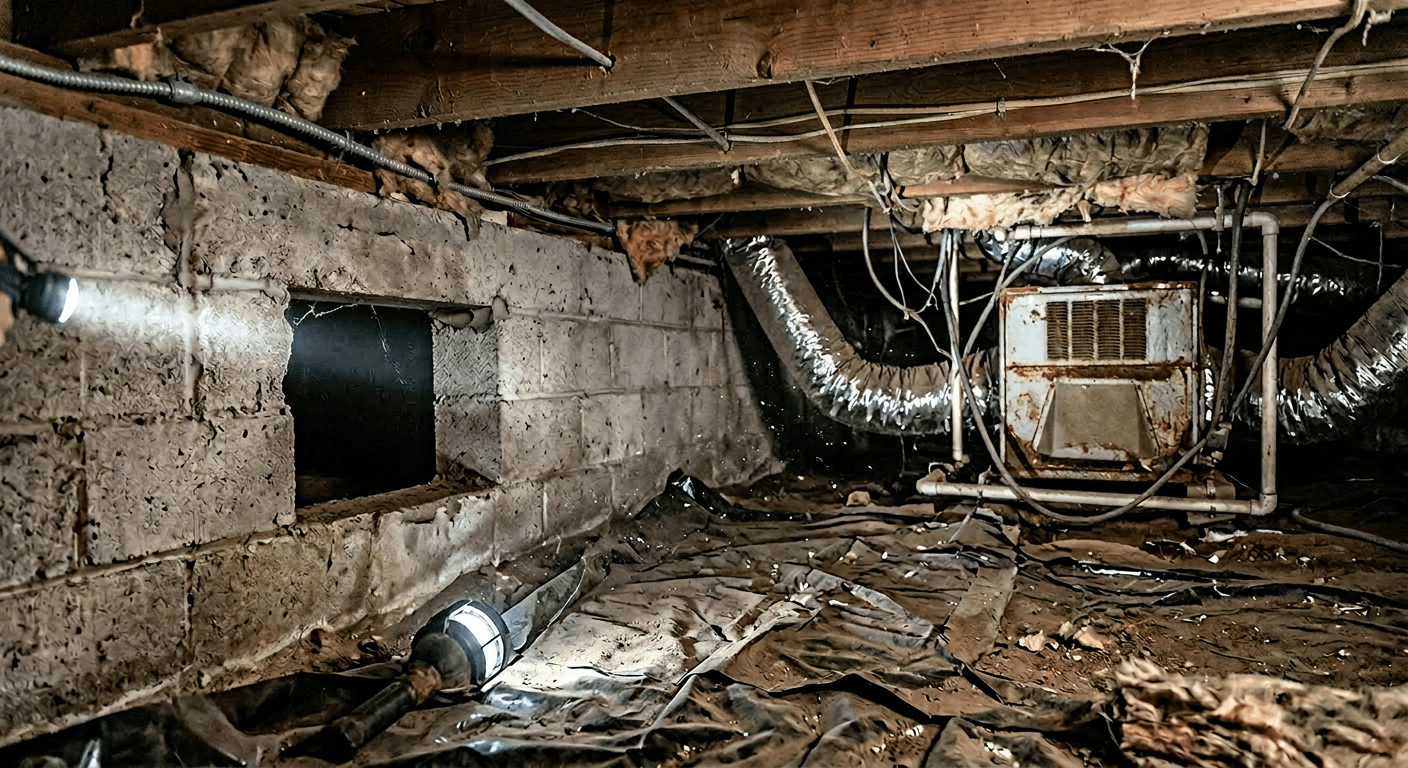
The Crawl Space Nobody Should Have to Work In
Clean install. System running correctly. That's what the job sheet says now, and it's accurate.
The house was a replacement job — aging unit, new equipment, straightforward scope. The homeowner had scheduled it weeks out and been patient about the timing. On paper it was the kind of day that starts at eight and wraps by two. One technician, one unit, clear access.
The house was not that.
He kept apologizing when we arrived. Apologized for the driveway, which was steep but fine. Apologized for the landscaping near the condenser pad, which was no real obstacle. Then he showed us the crawl access and said he was sorry about that too.
He didn't need to apologize. Every house has its thing. This one had a 14-inch foundation opening on the north side — 14 inches wide, maybe 16 tall, concrete block framing that hadn't shifted but hadn't grown either. The old unit was deep in, maybe thirty feet from that opening, in a section where the clearance was 22 inches from floor joist to vapor barrier.
Twenty-two inches is not much room to work. It is enough, if you are methodical and willing to stay there.
Our tech spent the better part of the day on his back. Headlamp on his forehead, tools on a tray he pushed ahead of him as he moved. Disconnecting the old unit required working largely by feel in sections where he couldn't turn his head enough to look directly at what he was touching. Getting it out meant a careful, slow drag — 14 inches of opening, which the unit cleared by less than two inches on either side. Getting the new unit in meant the same in reverse, with the added challenge of not damaging the refrigerant lines in the process.
The previous owner of the house had done some creative plumbing — copper runs that made sense at the time, probably, but now occupied space in ways that complicated the routing. We worked around it. It wasn't dangerous, just present. A puzzle the house presented, and we solved it.
The homeowner checked in twice during the day, offered water, offered lunch. We took the water. Around 3pm he stood in the yard and asked if everything was all right, in the tone of a man who thinks he's caused a problem.
We told him everything was fine.
It was. The startup sequence ran clean. Refrigerant pressures where they needed to be. Airflow correct at every register. No leaks at the line connections. The new unit sits on a proper pad, drains correctly, has clearance for future service access.
The job took most of a day. It was supposed to take half of one. That's what access like that does.
The 14-inch opening is the thing that shouldn't be an access point. In a perfect world it would be larger — 24 inches at minimum, 30 would be better, enough for a grown person to move through without contorting. In this house, 14 inches is what exists, and whoever built it made that choice decades ago, and nothing about that is the homeowner's fault or his problem.
So he never needed to apologize. Not once.
The system is running. That's all there is to say about it.

About the Author
Vadim Melnic
Owner & Lead Technician, Fair Air Heating & Cooling·
EPA Section 608 Certified
Vadim has been serving the Asheville area since 2018, specializing in residential HVAC installation, service, and indoor air quality solutions. He founded Fair Air with a simple commitment: honest pricing, quality workmanship, and treating every home like his own.
Keep Reading
Related Articles
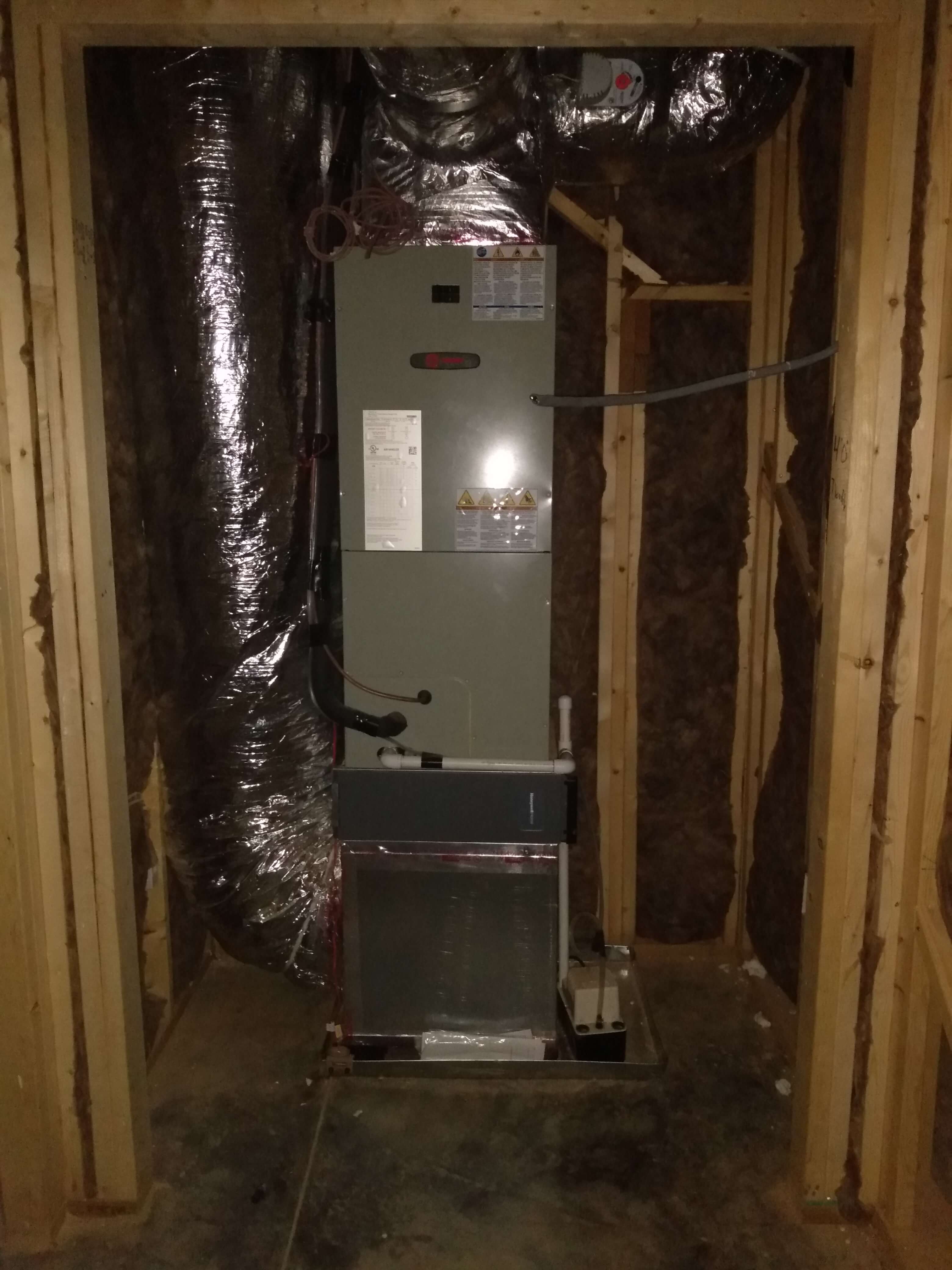
What a Proper HVAC Installation Actually Looks Like — Step by Step
Most people aren't in the room when their HVAC gets installed. They sign the contract, go to work, and come home to a system that either performs correctly or doesn't — and if it doesn't, they usually don't know what was skipped.
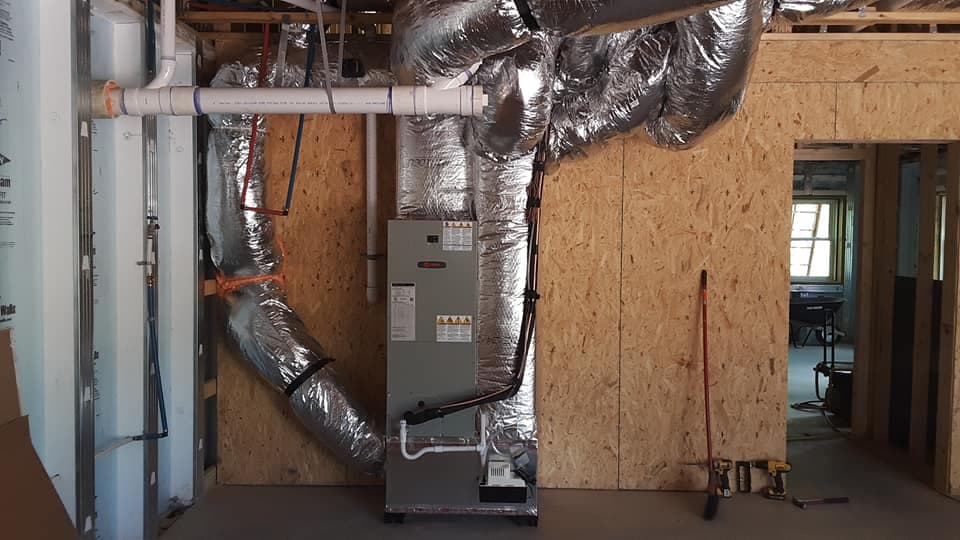
The Shoulder Season Problem — When WNC Can't Decide What Month It Is
They don't argue about the thermostat in July. In July the answer is obvious. They argue about it in October, when it's 68° by noon and 41° by midnight and whatever they set at 7 AM is wrong by 4 PM.
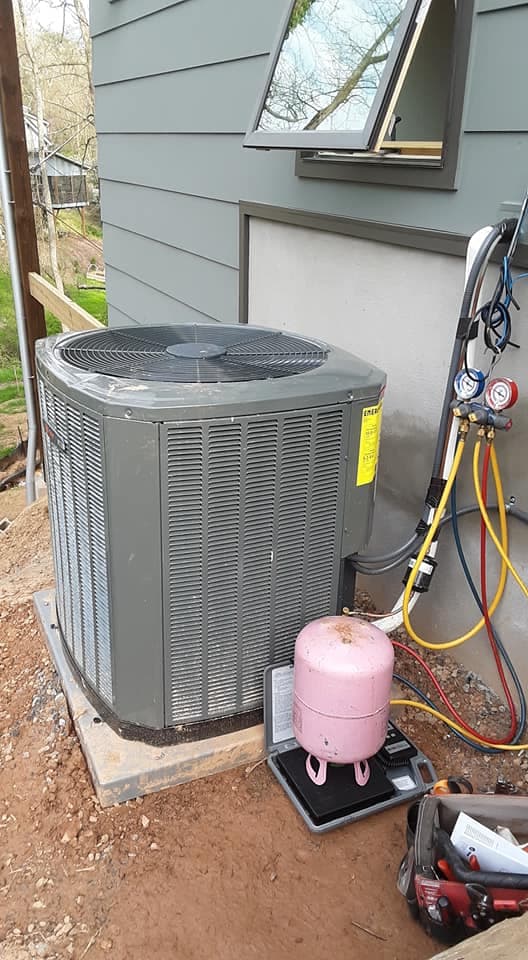
Pollen Season in WNC — What It Does to Your Filter and Your System
The filter was only six weeks old. He pulled it out and held it up to the light coming through the kitchen window. No light came through.