

Leicester, NC HVAC — Mountain Elevation Demands More From Your System
He puts another log in the woodstove before he goes to bed. Not because the heat pump has quit — it hasn't. But on a night when the wind is coming out of the northwest and the temperature is heading toward 18 degrees, he's learned not to trust it alone.
That changed last winter. He still has the woodstove. He still uses it on the coldest nights, because he likes it. But the heat pump carries the house now. He stopped supplementing out of necessity.
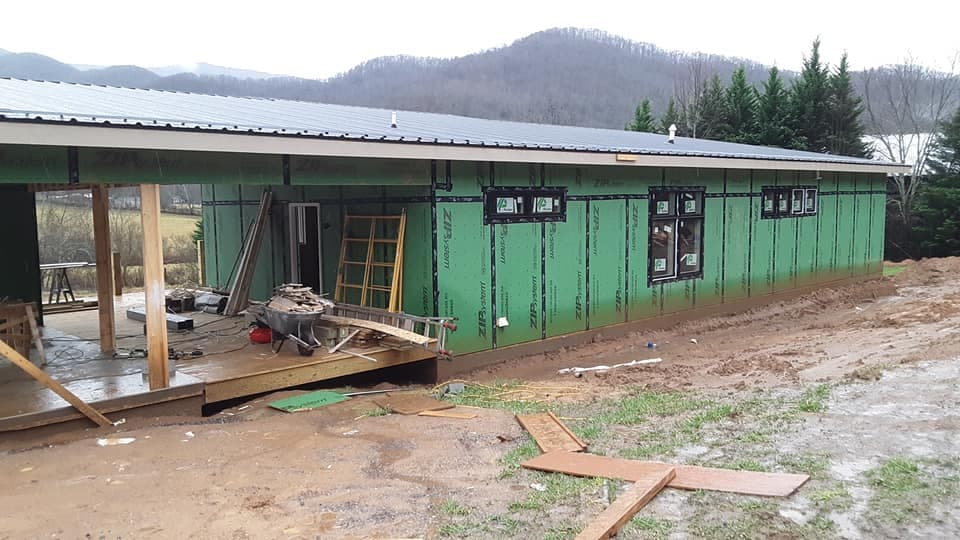
Leicester isn't a town in the traditional sense — it's an unincorporated community, a stretch of ridges and hollows about ten miles northwest of Asheville along Leicester Highway and the surrounding roads that branch off toward the French Broad. The geography is varied. Some properties sit in sheltered hollows where the cold air pools but the wind is blocked. Others sit on open ridge tops with sightlines to Tennessee on a clear day and nothing between them and whatever the atmosphere is doing over the Great Smoky Mountains to the west.
That northwest exposure is the defining factor for ridge properties in Leicester. Cold fronts moving through WNC typically arrive from the northwest. A house on an exposed ridge takes that cold air directly, with no valley walls or tree lines to moderate it. The effective wind-chill at the building envelope on a cold January night with a 20-mile-per-hour northwest wind is measurably different from what the Asheville forecast reports — which is a valley reading, miles away, at a lower elevation.
Older farmhouses, which make up a significant portion of Leicester's housing stock, compound the problem. Many were built without continuous insulation in the walls, with single-pane windows, and with no thought given to air sealing. Heat escapes faster than a standard load calculation assumes. A system sized for the calculation runs short on the coldest nights.
Newer custom builds on Leicester's ridge properties face a different version of the same challenge. They're often better insulated, but they're also larger — more glass on the view-facing side, higher ceilings, open floor plans that move heat unpredictably. A heat pump that works efficiently at 32 degrees starts losing efficiency as the temperature drops below 20. At Leicester ridge elevations, those temperatures come more often than the Asheville baseline suggests.
When we do HVAC work in Leicester, we build in the elevation correction and the exposure factor. We look at which direction the house faces, where the wind hits it, how the ductwork is routed, and whether the existing system ever had a fighting chance on the coldest nights. We've replaced systems in Leicester that were correctly sized by the book — but the book wasn't written for that ridge.
Fair Air serves all of western Buncombe County, Leicester included. The drive from our Woodfin shop is less than 20 minutes to most of the community.
We come out. We look at what's there. We tell you what it costs. No pressure.
Leicester, NC — Climate & HVAC Data
- Elevation: 2,100 ft
- Average January low: 26°F
- Average July high: 84°F
- Heating degree days: ~4,400/year
- Cooling degree days: ~800/year
- Reference weather station: Asheville Regional Airport (USW00003812)
- From our shop: 11 miles / about 17 minutes from our shop
What That Means for Your System
Leicester sprawls across western Buncombe County along the Hominy Creek and Sandy Mush Creek valleys. The Sandy Mush area borders Pisgah National Forest with rural mountain terrain, pastures, and forested ridges. Valley floors in Leicester are among the coldest spots in the Asheville metro area due to cold air drainage from surrounding mountains.
Leicester has the highest estimated heating degree days of any town at similar elevation in our service area — about 200 HDD more than downtown Asheville. The deep valley floors along Sandy Mush and Hominy Creek produce winter lows that rival towns 500 feet higher in elevation. Systems sized for "Asheville area" conditions are often undersized here.
Common HVAC Issues We See Here
- Sandy Mush valley homes experiencing winter lows 4–6°F below Asheville readings — heat pump auxiliary heat needs are higher
- Rural properties with long duct runs through unconditioned crawl spaces losing significant conditioned air
- Older homes along NC-63 with propane furnaces that could benefit from heat pump conversion for lower operating costs
- Properties near Pisgah National Forest boundary at 2,500–3,000 ft with mountain-level heating demands
Service Details
- Response time: 11 miles / about 17 minutes from our shop
- Service area coverage: All of Leicester, Sandy Mush, Newfound, Turkey Creek, Hominy Creek corridor
- Service type: Installation, repair, and maintenance — all makes and models
Call 828-774-8614 or book online. No pressure, no upsells — just honest answers from a local team that knows this area.

About the Author
Vadim Melnic
Owner & Lead Technician, Fair Air Heating & Cooling·
EPA Section 608 Certified
Vadim has been serving the Asheville area since 2018, specializing in residential HVAC installation, service, and indoor air quality solutions. He founded Fair Air with a simple commitment: honest pricing, quality workmanship, and treating every home like his own.
Keep Reading
Related Articles
What a Proper HVAC Installation Actually Looks Like — Step by Step
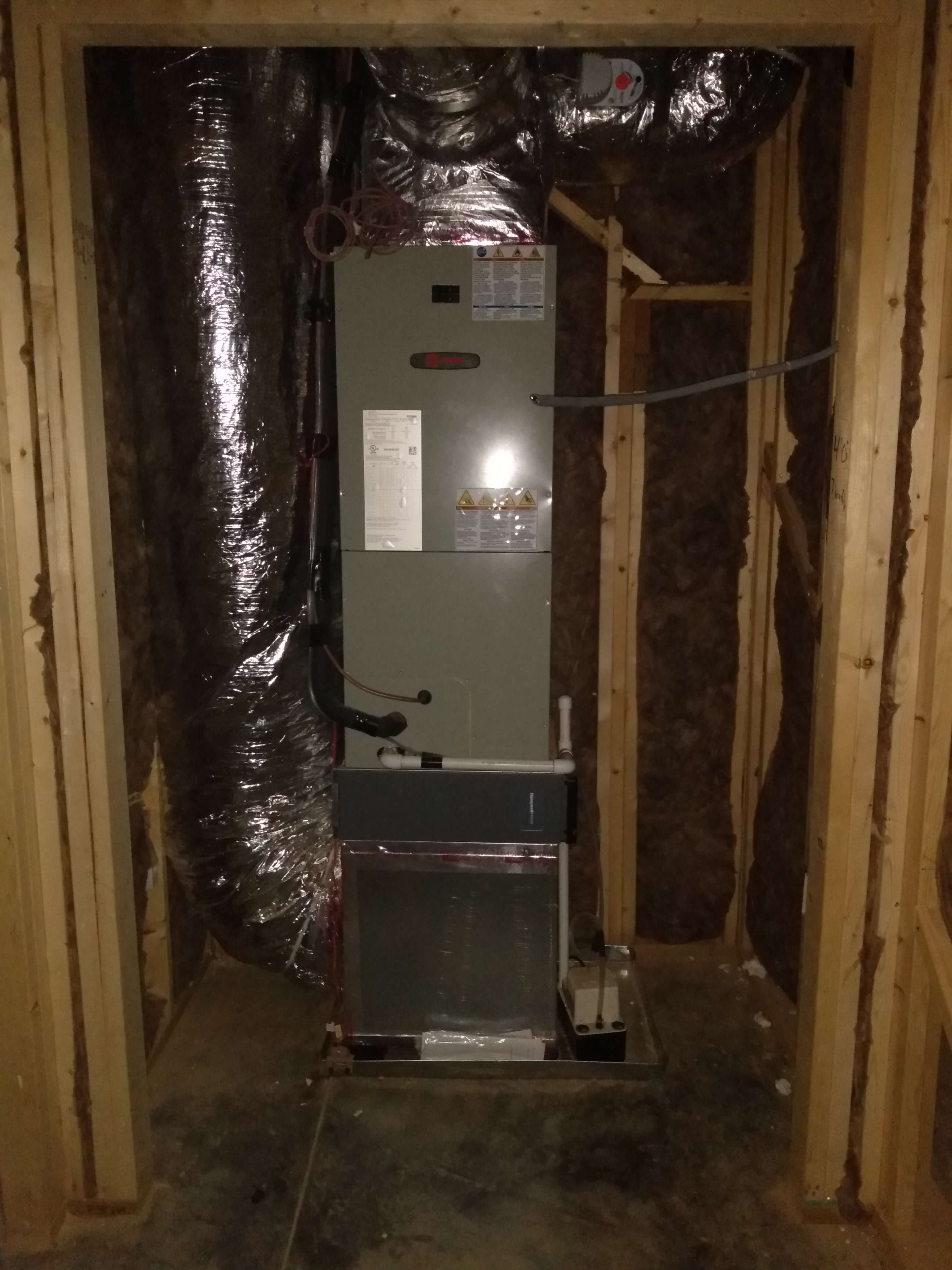
Most people aren't in the room when their HVAC gets installed. They sign the contract, go to work, and come home to a system that either performs correctly or doesn't — and if it doesn't, they usually don't know what was skipped.
The Shoulder Season Problem — When WNC Can't Decide What Month It Is
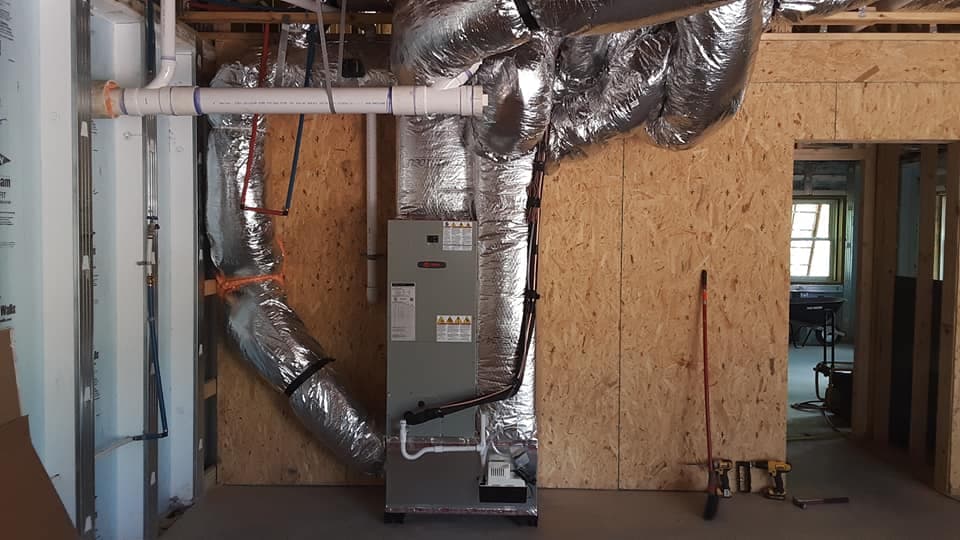
They don't argue about the thermostat in July. In July the answer is obvious. They argue about it in October, when it's 68° by noon and 41° by midnight and whatever they set at 7 AM is wrong by 4 PM.
Pollen Season in WNC — What It Does to Your Filter and Your System
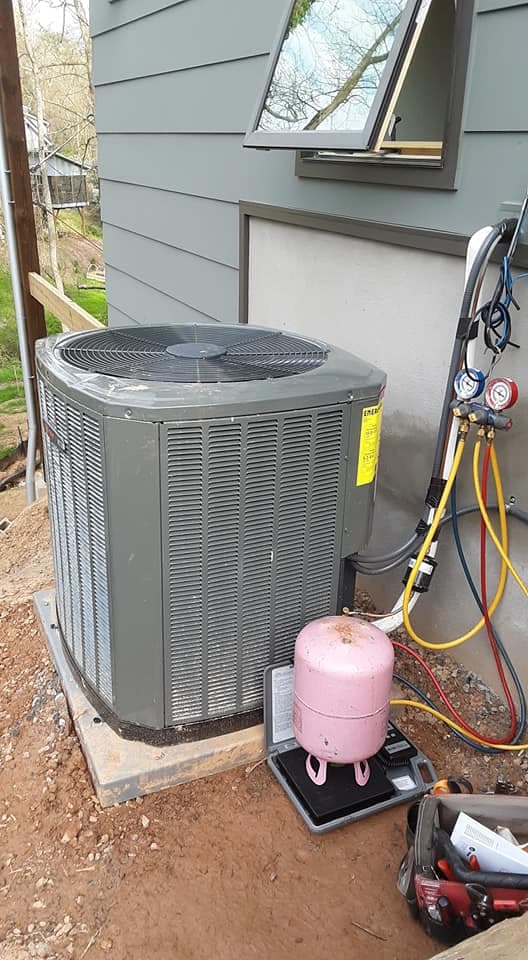
The filter was only six weeks old. He pulled it out and held it up to the light coming through the kitchen window. No light came through.