

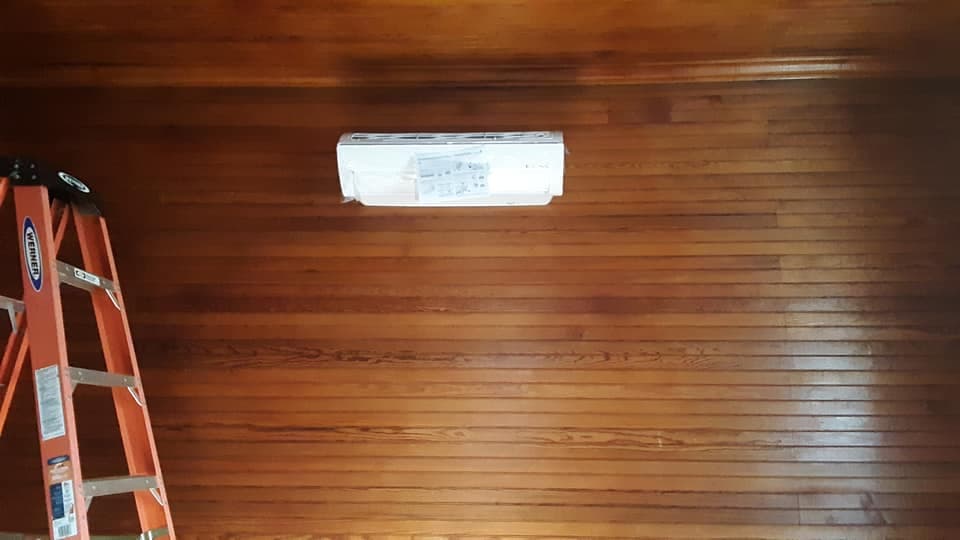
Biltmore Forest HVAC — Precision Service for Historic Homes
She's lived there since her parents moved in, which means she knows every room's quirk. The east bedroom is always cooler. The library stays warm even in December, which she doesn't mind, because the library has the best chair. The front parlor — the one with the original plaster medallion and the ten-foot ceiling — has never been comfortable for more than a few months of the year.
After the new system, the parlor is comfortable. She sat in there one evening in February and realized it. Didn't mention it to anyone. Just sat there.
Biltmore Forest is a planned residential enclave south of downtown Asheville, incorporated in 1923 and developed as a private residential community in the years following. The homes along Stuyvesant Road and the surrounding streets are substantial — mostly built between the 1920s and 1950s, many with original plaster walls, large windows, high ceilings, and multiple zones of interior space that create uneven heating and cooling loads. The Biltmore Estate borders the community and contributes a microclimate that includes channeled air movement from the Estate grounds and a tree canopy that moderates summer temperatures significantly.
Moderate summers are a gift. But the same canopy and estate topography create damp, still conditions in winter that challenge humidity management and can accelerate moisture-related issues in building components — including HVAC equipment that sits in protected but humid locations.
The houses themselves are the primary HVAC challenge. Plaster walls, unlike drywall, are excellent at sound and temperature buffering — but they make any kind of retrofit work more involved. Running new ductwork through a Biltmore Forest home without disturbing original plaster ceilings requires planning and craft. High ceilings mean more conditioned air volume to maintain, and rooms with ten or twelve-foot ceilings can stratify — hot air pooling near the ceiling while occupants at floor level stay cool. Supply register placement matters more in these rooms than in standard construction.
Original single-pane windows are a persistent heat loss point. We see them in many of these homes, either preserved intentionally for historic character or because the replacement cost is significant. When a homeowner has decided to keep the original windows, we account for the heat loss accurately in the load calculation rather than designing a system that struggles because it assumed better envelope performance.
We work in Biltmore Forest with care. When you're in a home that's been maintained with real attention to its original character, you don't route ductwork carelessly. You talk to the homeowner about what's in the walls and what can and can't be touched. You do the work precisely.
Fair Air serves the Biltmore Forest area as part of our broader Asheville and south Buncombe service territory. We're about fifteen minutes from the community on a typical workday.
We come out. We look at what's there. We tell you what it costs. No pressure.
Biltmore Forest, NC — Climate & HVAC Data
- Elevation: 2,267 ft
- Average January low: 29°F
- Average July high: 82°F
- Heating degree days: ~4,200/year
- Cooling degree days: ~850/year
- Reference weather station: Asheville Downtown (USW00013872)
- From our shop: 5 miles / about 10 minutes from our shop
What That Means for Your System
Biltmore Forest is a small incorporated town set within dense mature hardwood forest immediately south of downtown Asheville. The mature tree canopy moderates temperature extremes — slightly cooler summer highs and slightly warmer winter lows compared to open areas at the same elevation. The Hominy Creek watershed runs through the community.
The dense canopy cover in Biltmore Forest reduces solar heat gain in summer (lower cooling loads) but also blocks passive solar heating in winter. Homes with significant tree cover on the south side may need slightly more heating capacity than a sun-exposed home at the same elevation. The moderate microclimate makes this one of the more balanced areas for year-round HVAC demand.
Common HVAC Issues We See Here
- Historic homes from the 1920s–1940s with original or early-retrofit ductwork that needs evaluation or replacement
- Dense tree canopy reducing solar gain — south-facing homes partially shaded need adjusted heating calculations
- Leaf litter and organic debris clogging condenser coils seasonally — fall maintenance is critical here
- Larger historic homes with high ceilings requiring zone control to maintain even temperatures across floors
Service Details
- Response time: 5 miles / about 10 minutes from our shop
- Service area coverage: All of Biltmore Forest, Hendersonville Road corridor, Biltmore Village, Biltmore Estate area
- Service type: Installation, repair, and maintenance — all makes and models
Call 828-774-8614 or book online. No pressure, no upsells — just honest answers from a local team that knows this area.

About the Author
Vadim Melnic
Owner & Lead Technician, Fair Air Heating & Cooling·
EPA Section 608 Certified
Vadim has been serving the Asheville area since 2018, specializing in residential HVAC installation, service, and indoor air quality solutions. He founded Fair Air with a simple commitment: honest pricing, quality workmanship, and treating every home like his own.
Keep Reading
Related Articles
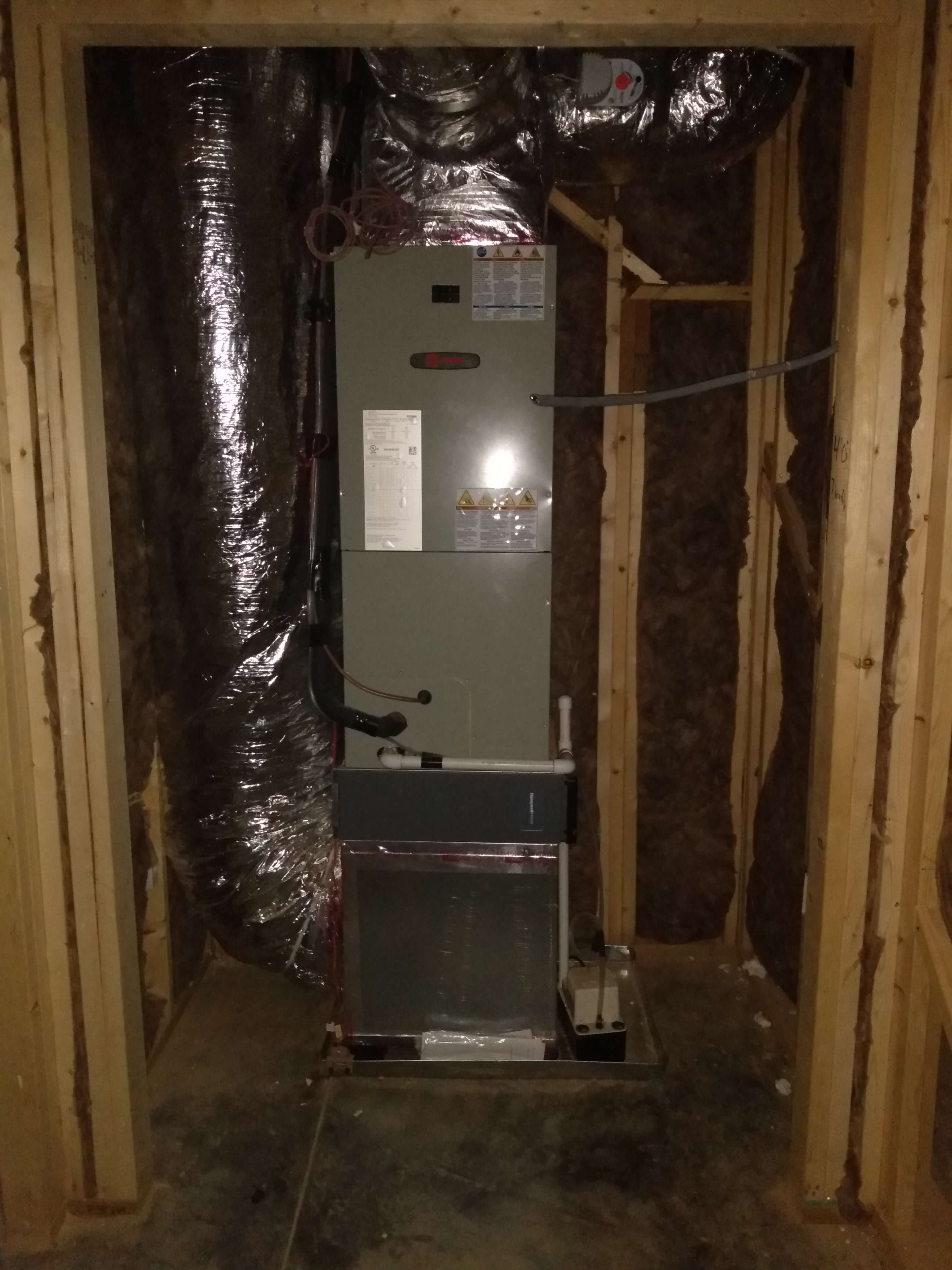
What a Proper HVAC Installation Actually Looks Like — Step by Step
Most people aren't in the room when their HVAC gets installed. They sign the contract, go to work, and come home to a system that either performs correctly or doesn't — and if it doesn't, they usually don't know what was skipped.
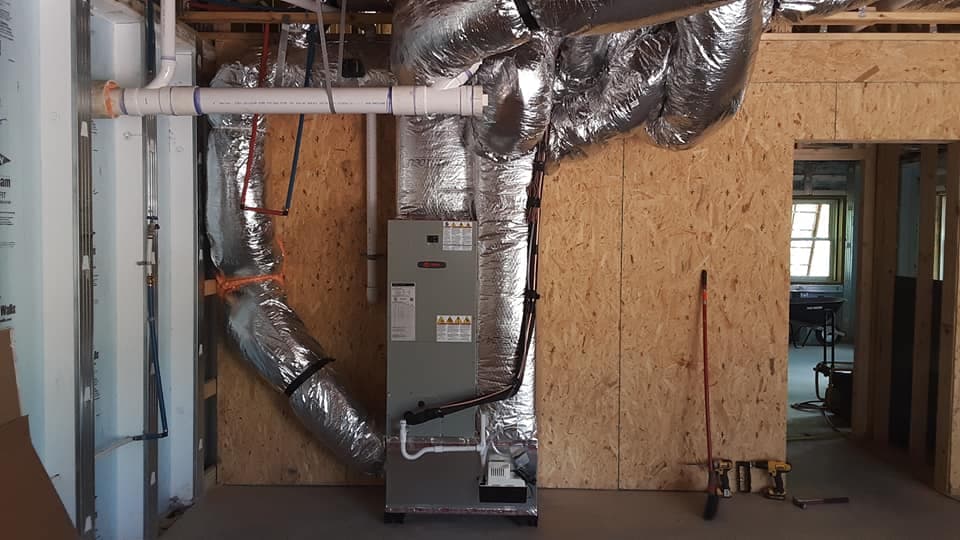
The Shoulder Season Problem — When WNC Can't Decide What Month It Is
They don't argue about the thermostat in July. In July the answer is obvious. They argue about it in October, when it's 68° by noon and 41° by midnight and whatever they set at 7 AM is wrong by 4 PM.
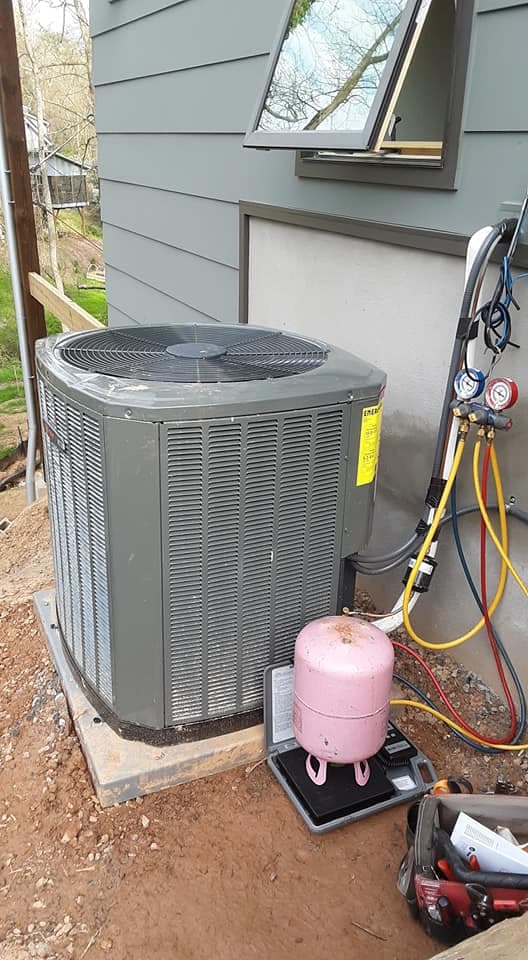
Pollen Season in WNC — What It Does to Your Filter and Your System
The filter was only six weeks old. He pulled it out and held it up to the light coming through the kitchen window. No light came through.