

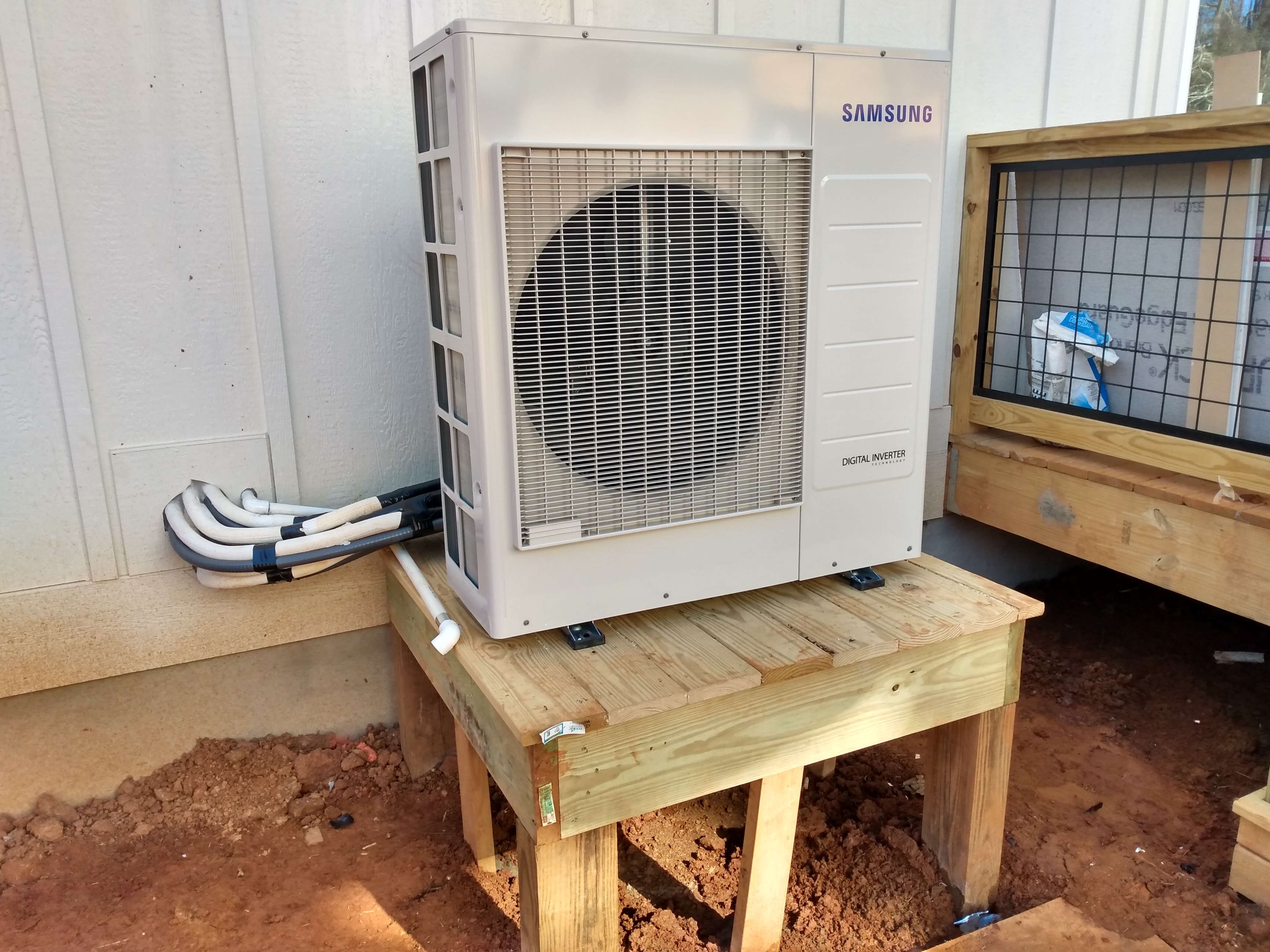
The Refrigerant Leak Three Companies Missed
A pinhole. Smaller than a pencil tip. In copper tubing at a joint that had been there, in that house, since the system was installed — invisible to the naked eye, invisible under normal inspection, the kind of thing that exists in thousands of systems and causes years of trouble before anyone finds it.
The evaporator coil went in last October. This summer the system is running correctly for the first time in years.
He'd called his first HVAC company three summers ago. The system was running constantly and never quite hitting the set temperature — 78 on the thermostat, 81 in the living room, all day. The company came out, found the refrigerant was low, topped it off. It helped. Ran better for a few weeks. Then the same thing.
Second company the following summer. Low refrigerant again. Topped off again. They said sometimes older systems just leak a little. That's not accurate. Refrigerant doesn't evaporate. If a system is losing it, it's going somewhere.
Third call, different company, same summer as the second — the system had dropped off again faster than before. They added more refrigerant and recommended a full system replacement. He called us instead of buying a new system, which was a reasonable instinct.
He'd been told three times, in different ways: this is just how your system runs. He'd spent money on refrigerant charges that helped for weeks and then unraveled. He'd been told the answer was a new system.
We brought an electronic refrigerant detector. Those devices can find concentrations too small to smell, too small to see, too small to show up in a visual inspection of the coil surface. You move it slowly over every inch of the coil. You listen for it to alarm. You find the spot.
The leak was on the evaporator coil at a hairpin bend — a section of copper under stress where formicary corrosion had been working for years. Formicary corrosion happens when moisture and organic acids attack copper from the outside in, creating pinhole failures at the crystal grain boundaries. It's more common in humid climates. Western North Carolina, with its damp mountain air, is exactly the kind of place it shows up.
We replaced the coil. Evacuated the system completely. Recharged with the correct refrigerant to the correct specification. Verified performance at the registers and at the unit.
The system held charge through the entire season.
Evacuated. Recharged. Verified. That was the job that was supposed to happen the first time.

About the Author
Vadim Melnic
Owner & Lead Technician, Fair Air Heating & Cooling·
EPA Section 608 Certified
Vadim has been serving the Asheville area since 2018, specializing in residential HVAC installation, service, and indoor air quality solutions. He founded Fair Air with a simple commitment: honest pricing, quality workmanship, and treating every home like his own.
Keep Reading
Related Articles
How Refrigerant Actually Works — Explained for People Who Don't Care About Refrigerant
She wanted to understand it. Most people don't ask.
The Job That Reminded Us Why We Do This
We'd been at his house for parts of two days. The truck was loaded. The old equipment was in the trailer. We were wrapping up the paperwork, and he asked if we had a minute. Walked us around the side of the house to where he had a half-dozen raised beds tucked into a...
What a Good Day in the Trades Actually Looks Like
That's the whole scorecard. You go home at the end of the day and you think about whether anyone's going to call tomorrow with a problem from something you touched today. If the answer is no, the day worked.